



Maximizing Maintenance Productivity During Manufacturing Slowdowns
When production slows, the quiet can feel unsettling, but it also offers a valuable window to refresh and advance your maintenance program. Use the extra time to tackle backlogs, upgrade systems, and strengthen your team’s resilience.
Explore our resource center for best practices on maintenance leadership, metrics, and more
Tips for Reducing Maintenance Backlog
A small backlog can be healthy, but an accumulated list of deferred work can hinder readiness when demand spikes again. A structured plan lets you eliminate tasks efficiently and safely.
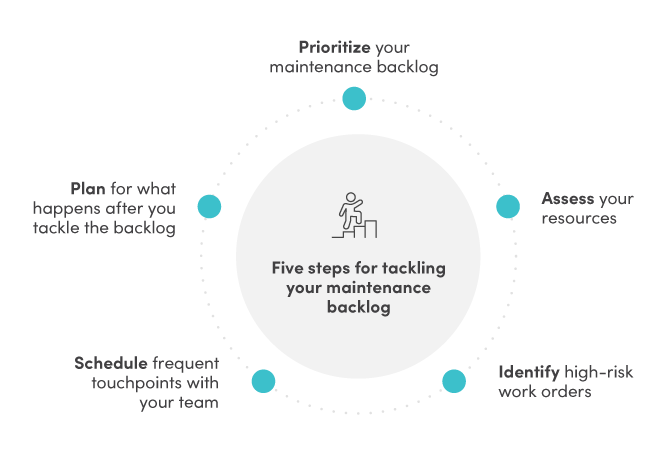
1. Prioritize Your Maintenance Backlog
Instead of jumping straight into tasks, prioritize to maximize impact. Follow these three steps:
- Identify critical assets that will drive production once it resumes.
- Target work orders that have been overdue for multiple cycles; repeated omissions increase risk.
- Match job duration with machine availability—use downtime to address longer or break‑intensive tasks.
Download our prioritization template to get started.
2. Assess Your Resources
Your prioritized list is only the first step; the reality of staffing, skill sets, and safety protocols determines what you can accomplish.
Solutions engineering lead Stuart Fergusson advises evaluating these factors:
- Team size—any reduction affects workload capacity.
- Technical training—skills dictate which jobs can be safely performed.
- New health and safety measures—ensure compliance and prevent disruptions.
After staffing, verify that spare parts, checklists, and PPE are fully stocked.
3. Identify High‑Risk Work Orders
High‑risk tasks—major rebuilds, lengthy projects, or work unfamiliar to your team—require focused attention. Mitigate risk by allocating extra training, manpower, and the correct PPE.
4. Schedule Frequent Team Touchpoints
Solutions engineer and former maintenance manager Jason Afara recommends regular meetings to surface issues and refine processes. Ask:
- Are technicians comfortable with their assignments?
- Do they have all necessary resources?
- What’s working well, and what isn’t?
- How can new processes be improved?
5. Plan for Post‑Backlog Success
Once the backlog is cleared, it’s time to create a forward‑looking action plan:
- Execute annual shutdowns on critical assets—inspect, clean, service, rebuild, and stress‑test equipment.
- Verify and calibrate condition‑based sensors, PLCs, SCADA, and other data systems.
- Audit safety equipment—ensure accessibility and functionality.
Updating and Upgrading Your Maintenance Operation
With daily tasks paused, you can objectively assess upgrades that will pay dividends when production ramps back up.
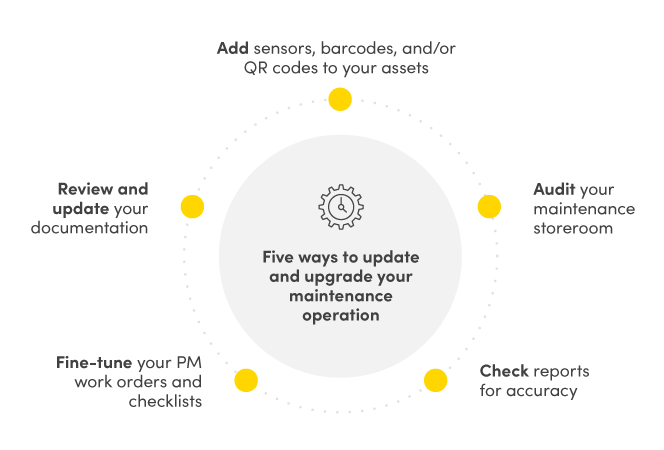
1. Add Sensors, Barcodes, and QR Codes to Assets
Deploy condition‑based sensors to capture real‑time data. If you use a CMMS, tag assets with barcodes or QR codes and integrate them into your software for streamlined asset tracking.
2. Audit Your Maintenance Storeroom
Jason recommends focusing on these key inventory areas:
- Verify cycle counts for accuracy.
- Check tool and spare part condition.
- Optimize inventory purchasing workflows.
- Clean, reorganize, and secure the storeroom.
- Organize emergency parts kits.
- Identify surplus items to pause purchases.
- Align maintenance records with finance documentation.
3. Verify Report Accuracy
As Jason notes, “Bad data is like a weather report that says it’s sunny when it’s actually raining.” Double‑check all metrics to ensure decision‑making is grounded in reliable information.
4. Fine‑Tune Preventive Maintenance Work Orders
Re‑evaluate PM frequency against mean time between failures. Consider shifting from time‑based to throughput‑based or condition‑based schedules. Collaborate with technicians to refine checklists—ensure they’re detailed enough without being unwieldy, and include diagrams or bills of materials where needed.
5. Review and Update Documentation
Engage your team to update key policies, including:
- Equipment Standard Operating Procedures (SOPs)
- Health and safety procedures (lockout‑tagout, PPE guidelines)
- Emergency operating procedures
Developing a Contingency Plan for Shutdowns
Planning for a shutdown may seem daunting, but a clear strategy ensures safety, minimizes downtime, and streamlines restart.
Our recent two‑part webinar series covered hot stops and cold starts. Key takeaways include:
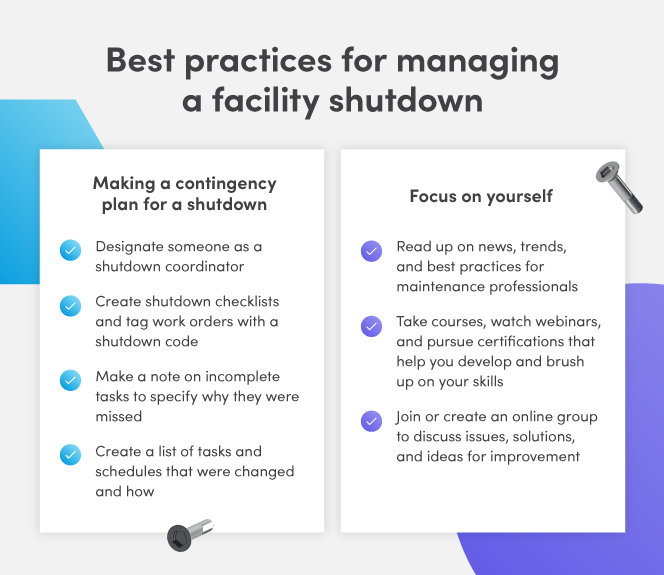
- Assign a dedicated shutdown coordinator.
- Create detailed shutdown checklists and tag them with a unique code.
- Document incomplete PMs and SMs to identify high‑risk assets.
- Maintain a change list to adjust schedules and calculate shutdown costs.
Get your own maintenance checklist for managing a facility shutdown here
Prioritize Your Well‑Being
Change can amplify stress, burnout, and anxiety. Taking care of yourself preserves your performance during uncertain times.
Jason advises:
- Stay informed—read industry news, trends, and best practices.
- Invest in professional development—courses, webinars, certifications.
- Join or create online communities to discuss challenges and solutions.
The Key Takeaway: You’ve Got This
Manufacturing slowdowns test adaptability, but with the right strategies, a skilled team, and a proactive mindset, you can turn downtime into an opportunity for growth and learning.
Equipment Maintenance and Repair
- Unlocking IoT Data: How Business Rules Management Drives Enterprise Value
- Audit Your Preventive Maintenance Schedule to Maximize Team Efficiency and Cut Costs
- Reviving Maintenance: From Obsolescence to Sustainable Excellence
- How COVID‑19 Is Reshaping Maintenance Operations: Challenges, Adaptations, and Resilience
- Preventing OSHA Violations: A Maintenance Team’s Guide to Compliance and Safety
- Maximize Your Manufacturing Day Experience: Expert Tips & Strategies
- Manufacturing Insights: Lessons from Metals & Mining (Part 3) – Expert Panel with Axora
- Predictive Analytics: Empowering Manufacturing Maintenance Teams
- Maximize Warehouse Efficiency: Proven Strategies to Optimize Space & Boost Profits
- Understanding the Three Key Manufacturing Models: MTS, MTO, and MTA