



Why Every Facility Needs a CMMS Champion – The Key to Successful Implementation
Every facility is like a ship—it needs a captain to navigate the rough waters of maintenance. In the world of Computer‑Aided Maintenance Management Systems (CMMS), that captain is the CMMS champion. This role ensures the system is not just installed, but fully leveraged to improve processes, data quality, and overall performance.
Trying to get the budget for a CMMS? Get the go‑ahead with this pitch deck template
Table of contents
- What is a CMMS champion?
- What does a CMMS champion do?
- Who should be a CMMS champion?
- How having a CMMS champion leads to CMMS success
- The bottom line: A CMMS champion isn’t just good, it’s necessary
What is a CMMS champion?
Simply having maintenance software doesn’t guarantee operational success. The real value comes from how you use the system to streamline processes, harness data, and maximize resources. The CMMS champion is responsible for driving that transformation.
Across the industry, this role may be called continuous improvement manager, reliability manager, or maintenance coordinator. Regardless of title, the champion dedicates themselves to managing every facet of the software with the goal of steering the organization toward sustained CMMS success. They view the CMMS as a continuous‑improvement engine and constantly seek ways to optimize its use.
What does a CMMS champion do?
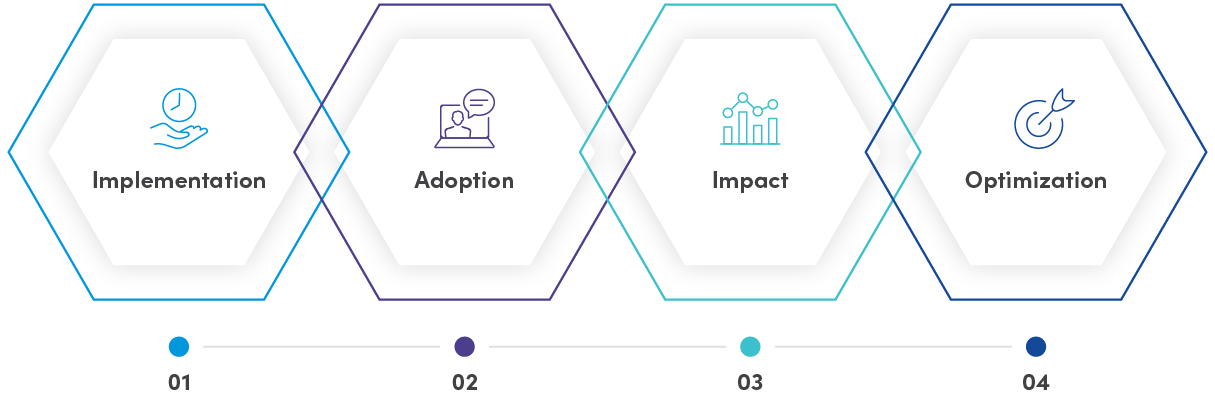
A successful CMMS journey unfolds in four stages—implementation, adoption, impact, and optimization. The champion leads the organization through each phase, taking on distinct responsibilities.
The four stages of CMMS success
Implementation
The champion lays the groundwork for a thriving CMMS. A solid implementation requires meticulous setup and thorough preparation of the maintenance team. Key tasks include:
- Collaborating with the vendor to craft a realistic implementation plan and schedule that aligns with the organization’s goals.
- Ensuring that every asset, preventive‑maintenance task, and spare‑parts inventory entry is accurate and complete.
- Coordinating comprehensive training so all users understand how to use the system and why it matters.
- Managing change to ensure staff feel comfortable embracing new technology and processes.
- Serving as the primary liaison with the vendor to resolve issues and capture feedback.
- Developing and communicating guiding principles, processes, and standard operating procedures for CMMS use.
- Partnering with IT to guarantee a smooth technical rollout and secure data handling.
Get a full CMMS implementation checklist here so you can hit the ground running
12 tips for the perfect CMMS implementation
Learn more
User adoption
Low adoption is the most common reason CMMS initiatives fail. If users don’t engage with the system, the investment yields little return. The champion ensures adoption by:
- Providing ongoing support to build confidence in the software.
- Monitoring usage metrics to confirm consistent engagement.
- Auditing entered data for clarity, accuracy, and consistency across sites.
- Acting as the first point of contact for user questions and challenges, and devising strategies to overcome adoption barriers.
Achieving and communicating impact
Using a CMMS should translate into tangible improvements. The champion drives this by:
- Defining success with maintenance KPIs and measuring progress.
- Creating a reporting framework that delivers regular insights from the CMMS.
- Communicating benefits and lessons learned to executives and the maintenance crew, bridging the shop floor and leadership.
- Refining processes, KPIs, and system components to target performance gaps.
Connect maintenance work to business impact with this goal setting template
Maintenance suffers from a poor reputation in many organizations…a CMMS champion can change that.
Optimization
The champion’s work never stops; they continuously seek ways to unlock greater value from the system and spread best practices throughout the organization. Key activities include:
- Exploring new software features to evolve operations and balance maintenance programs.
- Leading the development of an asset‑management policy that benefits the entire organization.
- Collaborating with the vendor to refine the product and plan for scale.
- Planning deployment of the system and improved practices to additional sites.
- Training co‑champions to safeguard institutional knowledge against turnover.
Who should be a CMMS champion?
Anyone can step into the role, provided they possess maintenance expertise, executive support, and a blend of hard and soft skills. The ideal champion combines:
Hard skills
- People‑management experience
- In‑depth knowledge of maintenance processes (work orders, audits, etc.)
- Technical understanding of asset repair and upkeep
- Comprehensive familiarity with the facility’s assets and histories
- Ability to generate maintenance reports and analyze KPIs
- Tech proficiency and comfort with digital tools
Soft skills
- Consensus‑building across diverse teams
- Empathy for the day‑to‑day work of technicians
- Clear communication of successes and improvement areas
- Curiosity and commitment to continuous learning
- Simplifying complex concepts for training purposes
- Adaptability and willingness to pivot strategies
How having a CMMS champion leads to CMMS success
CMMS can reduce downtime, cut costs, and boost safety—when driven by a champion who turns raw data into actionable insight.
Every ship needs a captain…the same is true for a CMMS.
They reduce culture shock, turnover, and knowledge loss
Introducing new software can feel like a culture shock, often resulting in low adoption, higher turnover, and lost expertise. The champion mitigates these risks by keeping everyone informed, engaged, and empowered. They ensure technicians are trained, consulted, and supported before, during, and after implementation, and act as the main point of contact for any concerns.
They improve the quality and quantity of your data
Data is the lifeblood of CMMS success. The champion acts as the gatekeeper, defining which metrics matter, ensuring consistent, accurate capture, and leveraging insights to refine maintenance practices. A robust data foundation also supports preventive and predictive maintenance initiatives.
They boost the profile of maintenance in the organization
Maintenance often carries a poor reputation. By tracking KPIs and securing executive buy‑in, the champion demonstrates tangible value, improving maintenance’s standing and securing continued investment.
They create standardization, consistency, and better processes
Inconsistent practices lead to inefficiency and errors. The champion establishes policies and procedures that align the entire maintenance operation, increasing accountability and productivity while ensuring the CMMS’s full potential is realized.
The bottom line: A CMMS champion isn’t just good, it’s necessary
CMMS is not a silver bullet; it’s a powerful tool that requires careful stewardship. A champion manages the system so it delivers its full spectrum of benefits—guiding the maintenance team through challenges, milestones, and continuous improvement so that CMMS success becomes a reality.
Equipment Maintenance and Repair
- Flexibility Drives Enterprise Cloud Monitoring Success: How AppNeta Delivers
- Key Drivers Behind Successful Open‑Source Hardware Innovation
- Four Pillars of Successful Maintenance Programs: Boost OEE, Cut Costs, Reduce Downtime
- The Key to Reliability Success: Culture Change Over Technology
- Maximize CMMS Value: Technology, Processes, and People Aligned
- How to Justify the Cost of a CMMS: Calculating ROI for Maintenance Managers
- Fiix Help Center: Your Comprehensive Resource for CMMS Implementation and Support
- Unlock Automation Success: Upskill Your Workforce for Maximum Efficiency
- Finding and Training Top Technicians: Key Objectives for Your CMMS Strategy
- Unlocking CMMS: Key Features & Benefits for Modern Maintenance Management