



When Aviation Maintenance Fails: How Neglect Leads to Lives Lost
Maintenance: What Causes Aircraft Accidents?
Human error remains the leading cause of aircraft accidents, yet maintenance failures add both human and financial costs, contributing to delays and cancellations.
- Almost 12% of all aircraft accident reports cite a maintenance factor.
- When a failure or malfunction of aircraft equipment is part of an accident or incident, one‑third of these malfunctions stem from a maintenance error.
- In engine‑related delays, maintenance error accounts for nearly 50% of the causes.
Between 1994 and 2004, maintenance problems were responsible for 42% of fatal airline accidents in the United States—excluding the 9‑11 terrorist attacks. These incidents highlight how breakdowns in organizational processes, decision‑making, and culture can create a perfect storm for safety failures.
- Lack of motivation
- Fatigue and stress
- Time pressures
- Misperception of hazards
- Inadequate skills
Famous Aircraft Maintenance Failures
Japan Airlines Flight 123
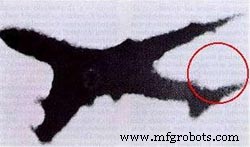
On August 12, 1985, the aircraft suffered a catastrophic failure just 12 minutes into flight, ultimately crashing into Mount Takamagahara. A ground‑based photograph later confirmed the absence of the vertical stabilizer. The root cause was a faulty repair of the rear pressure bulkhead after a 1978 tail‑strike at Osaka International Airport. Boeing’s approved method calls for a single continuous double plate with three rows of rivets, but technicians used two separate plates with fewer rivets—reducing fatigue resistance by 70%. The compromised bulkhead failed, causing explosive decompression that disabled all hydraulic systems and rendered the aircraft uncontrollable.
Aeroperú Flight 603
Shortly after takeoff from Jorge Chávez International Airport, the crew received conflicting instrument readings and false warnings. A maintenance oversight—failure to remove duct tape covering the static ports after a routine wash—rendered the static system inoperative, leading to erroneous airspeed, altitude, and vertical‑speed data. The pilots, misled by faulty instruments, attempted a return but lost situational awareness, crashing into the ocean and killing all 70 on board.
Chalk’s Flight 101
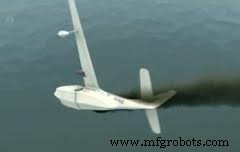
On December 19, 2005, the aircraft lost its right wing shortly after takeoff and crashed into a shipping channel off Miami Beach. The accident was traced to a metal‑fatigue crack in the right wing that had been previously identified and repaired. The repair was inadequate, and subsequent inspections revealed widespread corrosion and undocumented work across the fleet. The NTSB’s report highlighted systemic maintenance shortcomings and questioned Chalk Ocean’s repair practices.
Alaska Airlines Flight 261
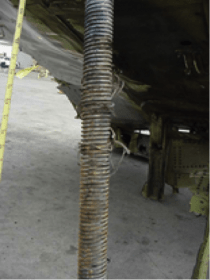
The aircraft plunged into the Pacific during a routine flight from Puerto Vallarta to Seattle. Investigation revealed loss of pitch control due to thread failure on the jackscrew assembly that trims the horizontal stabilizer. The failure resulted from insufficient lubrication during preventive maintenance, despite paperwork indicating compliance. Alaska Airlines had extended lubrication and inspection intervals beyond the manufacturer’s recommendations.
American Airlines Flight 191
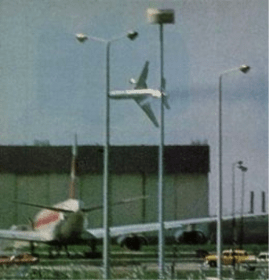
Moments after takeoff from O’Hare International Airport, engine No. 1 and its pylon detached, causing the aircraft to roll and crash. The root cause was maintenance‑induced damage during an engine‑replacement procedure eight weeks earlier. American Airlines altered the manufacturer’s recommended process, using a forklift to remove the engine‑pylon as a single unit—a step that bypassed critical inspections and led to pylon failure.
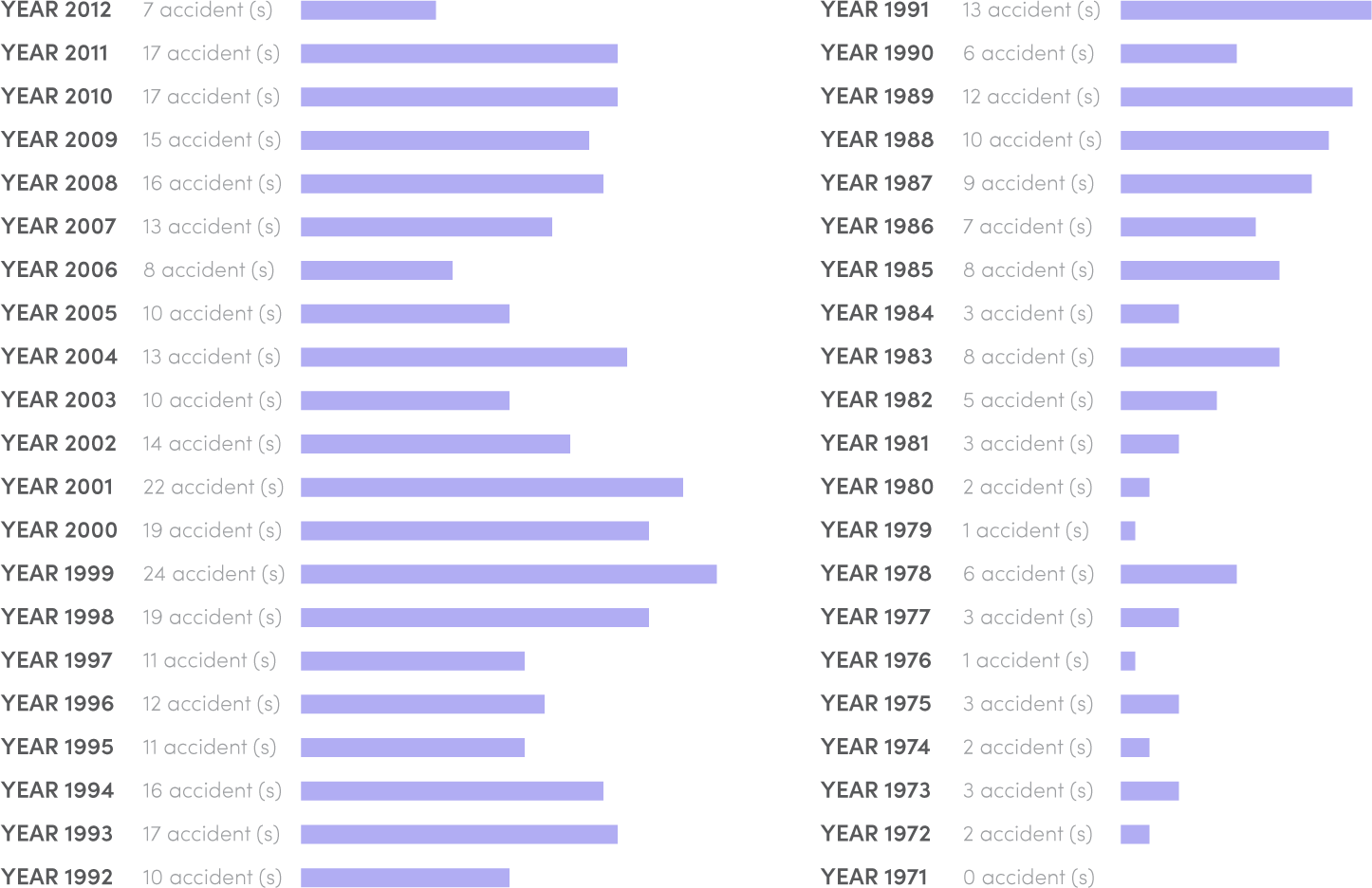
Aircraft Accidents by Year
Preventing Future Aviation Accidents
As airlines increasingly outsource maintenance, the complexity of investigating accidents grows. Reduced spending and fewer inspections threaten the safety of one of the world’s most reliable transport systems. To safeguard lives, the industry must prioritize maintenance excellence:
- Implement continuous re‑training programs for aircraft technicians.
- Establish robust reporting mechanisms, thorough investigations, and legal protections for whistleblowers.
- Integrate human‑factor training for airline management and engineering teams.
Equipment Maintenance and Repair
- Unplanned Maintenance: A Strategic Challenge—and How to Conquer It
- Hamilton Aerospace Receives Fourth Consecutive FAA Diamond Certificate for Maintenance Training Excellence
- Industry Pushes for National Aviation Maintenance Technician Day to Celebrate Experts
- FAA Honors Goodrich Corp. for Outstanding MRO Training Excellence
- Cut Maintenance Costs with Predictive Maintenance Insights
- Bombardier Unveils Optimized Maintenance Schedule for CSeries Aircraft
- Proven Strategies to Cut Maintenance Costs Without Cutting Staff
- Should You Measure Maintenance Costs? A Practical Guide
- 8 Proven Strategies to Slash Maintenance Management Costs
- Boost Safety in Maintenance: Proven Strategies for Cost Savings and Service Excellence