



What Is an Original Equipment Manufacturer (OEM) and Why It Matters for Industrial Maintenance
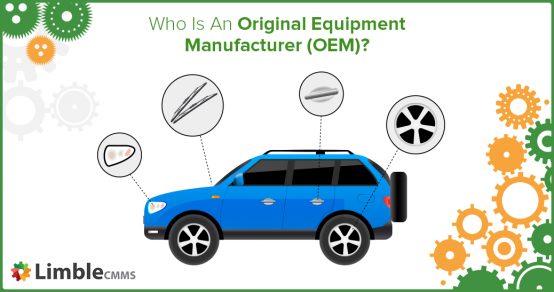
Original Equipment Manufacturers (OEMs) are the backbone of modern industry. From the brake pads in a sports car to the hydraulic presses on a factory floor, OEMs supply the specialized components and machinery that make our everyday products possible. While most consumers never hear the term, industrial maintenance professionals rely on OEMs for reliability, support, and cost efficiency.
In this guide, we’ll unpack the role of OEMs in manufacturing and maintenance, explore the key benefits they deliver, and explain how to choose the right parts supplier for your assets.
What Does OEM Mean?
Before the industrial revolution, most manufacturers produced everything in-house. Today’s products—cars, computers, heavy equipment, televisions, smartphones—contain hundreds or even thousands of distinct parts. No single company can design, test, and produce all of them, so outsourcing to specialized vendors is essential. OEMs are those specialized vendors that produce parts or complete systems according to a client’s specifications.
Key advantages of OEMs include:
- Lower production costs for downstream manufacturers
- Competitive pricing through economies of scale
- Accelerated innovation via specialization
- Consistent quality standards across the supply chain
OEMs Provide Components for Finished Products
In this classic arrangement, an OEM manufactures a part that another company incorporates into its final product. For example, Brembo supplies high‑performance brake pads that Ford, Chevrolet, and Dodge install in their sports cars.
OEMs Provide Equipment
Manufacturing also requires heavy machinery—CNC machines, foundries, cranes, hydraulic presses, drills, and more. Companies like Lincoln Electric specialize in designing and building these industrial tools, which are then purchased by manufacturers who need them for production.
OEMs Supply Software and Hardware
In the technology sector, many software companies act as OEMs, licensing their products to device makers. Microsoft’s Windows OS and Office suite are bundled on laptops sold by HP and Dell. Hardware OEMs—such as Intel for processors and Samsung for memory—produce core components that appear in virtually every consumer device.
The Relationship Between VARs and OEMs
A Value‑Added Reseller (VAR) buys OEM components and bundles them with additional features or services before selling to end‑users. VARs enhance the original product’s value—whether by assembling custom PCs from Intel, Nvidia, and Corsair parts, or by adding insurance, service plans, and entertainment systems to a car before delivery.
For OEMs, VARs are a vital distribution channel, allowing manufacturers to focus on R&D and production while VARs handle marketing, customization, and customer support.
The Role of OEMs in Industrial Maintenance
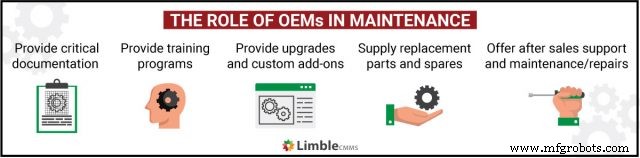
When a company acquires heavy equipment or machinery, the OEM’s reputation for quality and reliability directly affects long‑term productivity and ROI. Beyond purchase, OEMs support the asset’s entire lifecycle through documentation, training, upgrades, spare parts, and after‑sales services.
OEMs Provide Critical Documentation
Access to accurate manuals and vendor guidelines is essential for selecting the right equipment and training maintenance staff. Modern CMMS platforms, such as Limble, allow you to attach user manuals and maintenance histories directly to asset records, giving technicians instant access from any device.
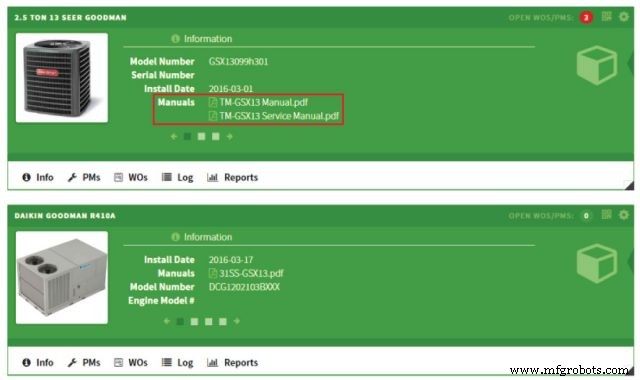
When technicians can view detailed operating procedures and troubleshooting checklists at a glance, downtime decreases and repair times shorten.
OEMs Offer Training Programs
High‑complexity equipment often comes with vendor‑led training modules that cover operations, troubleshooting, and advanced maintenance techniques, ensuring staff are equipped to handle routine and emergency repairs.
OEMs Provide Upgrades and Custom Add‑Ons
Software OEMs release frequent updates and security patches, while hardware OEMs offer optional expansions, performance upgrades, or custom configurations tailored to evolving business needs.
OEMs Supply Replacement Parts and Spares
Critical assets rely on a steady supply of high‑quality spares. OEMs typically supply the most compatible and cost‑effective replacements, reducing the risk of counterfeit or substandard components that could compromise safety or performance.
OEMs Offer After‑Sales Support and Maintenance Contracts
Many OEMs provide on‑site or remote maintenance services, especially for specialized equipment. By managing these relationships in a CMMS vendor module, you can track costs, service schedules, and performance metrics.
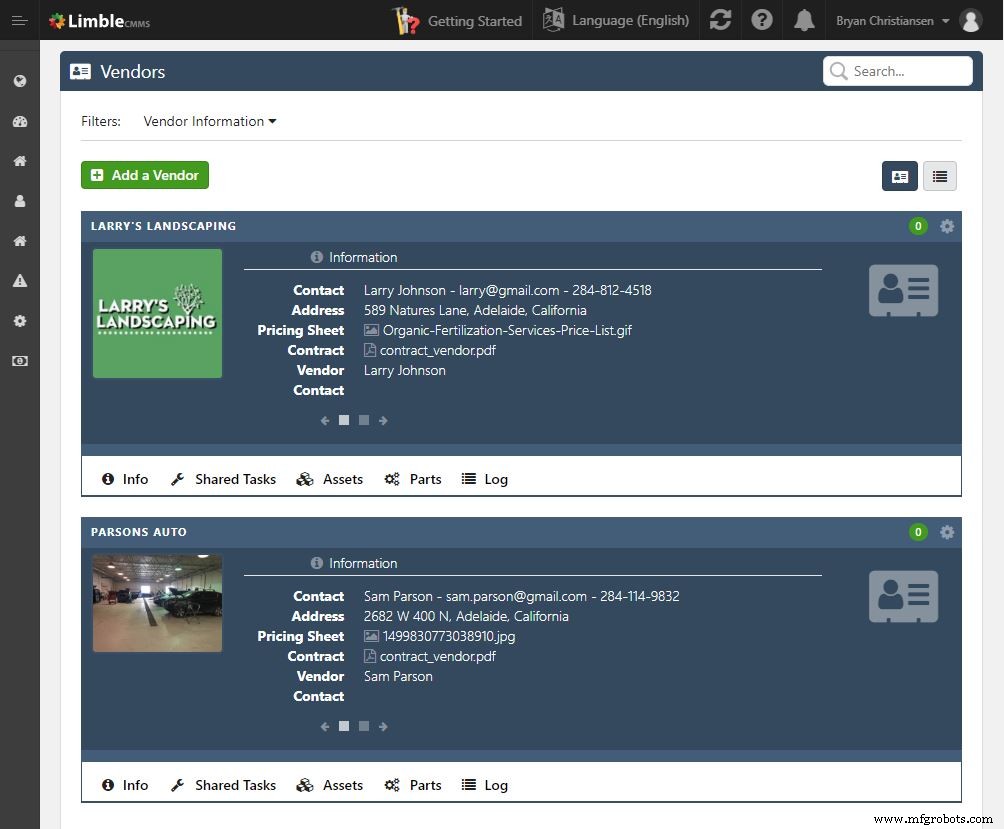
Choosing an OEM that offers comprehensive support—including documentation, training, spares, and service contracts—can dramatically lower maintenance spend and prevent unscheduled downtime.
Alternatives to OEM Parts: OE, ODM, and Aftermarket
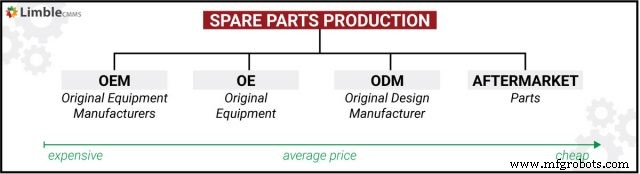
Managing spare‑parts inventory is a significant cost driver for industrial operators. While OEMs are often the default choice, other options exist:
OEM vs OE Parts
OE (Original Equipment) parts are identical to OEM components but manufactured by licensed subcontractors. They carry the same factory specifications and quality but can be cheaper—for instance, a Mercedes OEM brake might be produced by Hella Behr as an OE part, offering the same performance at a lower price.
OEM vs ODM
ODM (Original Design Manufacturer) builds a product based on a client’s design. The brand retains ownership of the product name, while the ODM handles manufacturing. A classic example is Nokia phones designed by HMD Global but produced by Foxconn. ODMs provide comparable quality to OEMs, often at reduced cost.
OEM vs Aftermarket Parts
Aftermarket components are produced by third‑party firms with no direct ties to the original brand. They can be up to 60% cheaper but vary widely in quality. While some aftermarket parts match OEM performance, most are less reliable and offer limited warranties. For critical assets, OEM/OE parts remain the safest choice; aftermarket can be acceptable for non‑mission‑critical equipment if sourced from reputable manufacturers.
Cheaper Is (Almost) Never Better
From a maintenance standpoint, the most cost‑effective strategy is long‑term value, not upfront savings. Cheaper parts often mean more frequent replacements, higher labor costs, and increased downtime. When selecting an OEM or alternative supplier, evaluate the full lifecycle cost—including support, spares, training, and reliability—rather than just the purchase price.
In the end, aligning your parts strategy with a trusted OEM that delivers quality, support, and consistency will protect your assets and safeguard your bottom line.
Equipment Maintenance and Repair
- Maximize Plant Uptime with ATS’s Expert Third‑Party Maintenance Solutions
- Operator‑Driven Reliability: Empowering Operators to Own Plant Equipment
- Run to Failure (RTF): When It Makes Business Sense
- What Is a Machine Shop? – Understanding the Role, Equipment, and Safety Standards
- Boost Your Growth: Why Selecting the Right Industrial Equipment Vendor Matters
- Hexcel and Woodward Announce Merger to Form Premier Aerospace & Industrial Systems Provider
- Top 4 Digital Transformation Challenges for Medical Device OEMs
- Leveraging IIoT to Overcome OEM Challenges in Heavy Equipment Manufacturing
- What Is an OEM? Understanding Original Equipment Manufacturers, Their Role, and Key Benefits
- Expert Construction Equipment Maintenance: Prevent Costs & Boost Longevity