



Outsourcing Maintenance Services: How to Identify Reliable Partners for Your Business
According to our 2021 Maintenance Trends Study, 90% of facilities now outsource portions of their industrial and building maintenance.
While many organizations prefer to keep maintenance in-house, limited expertise and resources often compel them to partner with external providers offering cost‑effective, reliable services.
Before outlining selection criteria, let’s clarify the fundamentals of outsourcing maintenance.
Why outsource maintenance services in the first place?
There are several compelling reasons businesses choose to outsource maintenance:
- Prioritise Core Operations: Maintenance is typically outside the core expertise of many firms, allowing them to focus on what they do best.
- Leverage Specialist Knowledge: Outsourcing grants access to advanced equipment and expertise without the capital outlay, driving overall cost savings.
- Adaptable Workforce: External partners can scale labor up or down as project demands fluctuate, providing staffing flexibility.
- Enhanced Continuity: Mitigates risks associated with internal disruptions, ensuring consistent service delivery.
- Skill Transfer: Collaboration with specialists accelerates internal staff development and knowledge sharing.
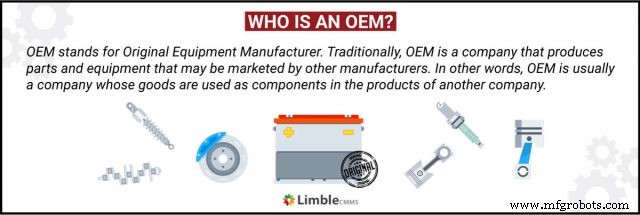
The report highlights distinct maintenance demands between industrial facilities and commercial/residential properties. Asset types drive the nature of maintenance challenges, warranting tailored approaches for each sector.
What kind of building maintenance services can you expect to outsource?
Property managers overseeing commercial or residential buildings prioritize safety and comfort for residents, visitors, and users. Commonly outsourced tasks include:
- General cleaning and janitorial services
- Physical access control
- Swimming pool maintenance
- Water treatment and supply services
- Refuse disposal
- IT equipment maintenance
- Grounds maintenance (landscaping, lawn care, parking lots)
- HVAC maintenance and energy‑efficiency upgrades
- Specialized building systems (elevator, fire‑alarm, etc.)
- Renovations and restorations
Facilities such as schools, hospitals, zoos, and corporate offices rely on proactive maintenance plans complemented by regular upkeep.
What kind of industrial maintenance services can you expect to outsource?
In competitive industrial landscapes, the goals are efficiency, optimal productivity, downtime reduction, and cost control. Maintenance managers in sectors like construction, manufacturing, and aviation often seek support in:
- Implementing advanced maintenance technologies (prescriptive, predictive, preventive, RCM, RCA, FMEA, etc.)
- Specialist cleaning, including hazardous‑chemical cleanup and disposal
- Water treatment and supply services
- Repair of specialized equipment requiring proprietary tools, software, and expertise
- Fleet management
- Industrial automation upkeep (PLCs, control systems, robotics)
- Renovations and restorations
Recommended reading to learn more: A Simple Guide To Industrial Maintenance and 12 Ways To Improve Plant Maintenance.
5 tips for finding reliable maintenance vendors
Choosing a partner should be driven by proven performance, not just price. Leverage client feedback, industry reputation, and rigorous vetting to identify trustworthy vendors.
1) Look for an established market reputation
Start by reviewing customer testimonials on social media, the Better Business Bureau, Trustpilot, and industry forums. A strong, consistent reputation signals reliability.
2) Know where to search
Target niche‑specific platforms and trade publications to find providers that match your specialty. Use location‑based searches on Merchant Circle, ThomasNet, and Yelp, and explore industry magazines such as Reliable Plant, Buildings.com, Maintenance World, and Facilities Management Journal.
3) Check for flexibility and agile processes
Seek vendors who adapt to your unique requirements, employ modern technology, and deliver on time—whether it’s predictive maintenance or ad‑hoc service requests. Evaluate their software stack, past project evidence, and communication responsiveness. A dedicated emergency hotline and rapid response times are essential.
4) Assess their technical skills
Technical competence is non‑negotiable. Confirm that the vendor holds relevant certifications, follows quality‑control standards, and maintains up‑to‑date equipment. Inspect tools for wear, missing guards, and proper PPE. Discuss the technical lead’s approach and request a brief mock‑up or work‑plan outline.
5) Gauge their financial stability
A long‑term partnership requires financial health. Review balance sheets, credit scores, and any history of liens or bankruptcies. While pricing matters, a financially stable vendor reduces risk.
Manage selected vendors with Limble CMMS
Once you’ve chosen your outsourcing partner, an integrated CMMS like Limble streamlines collaboration and oversight. Key vendor‑management features include:
- Simultaneous tracking of contracts, schedules, invoices, and work history for multiple vendors.
- Association of vendors with the specific assets or parts they service.
- Real‑time dashboards of vendor activity—parts used, invoices, and status.
- Comprehensive cost analysis per vendor.
- Complete work‑order history accessible at any time.
- Automated email notifications, detailed instructions, and threaded comments for seamless communication.
- Direct work‑order sharing and approval workflows, enabling internal oversight.
- Vendor‑supplied evidence of completion and invoicing upon job closure.
Watch this short video to see how Limble makes cross‑organization task sharing effortless.
Finding reliable vendors is just the first step. With Limble CMMS, you can efficiently collaborate, track performance, and ensure accountability.
Explore our pricing page for a 30‑day trial, or contact us via email or live chat for any questions.
Good luck on your vendor‑hunting journey!
Equipment Maintenance and Repair
- Expert Contract Maintenance Services: Boost Efficiency & Reduce Downtime
- Mastering Maintenance Inventory Management: Strategies to Cut Costs and Boost Reliability
- Keep Maintenance Proactive: Lessons from Sisyphus on Continuous Improvement
- Optimizing Maintenance: Cost‑Effective Predictive Strategies for Manufacturing Leaders
- Operational Practices That Drive Reliability
- Elevating Maintenance: Aligning Strategy, Building Trust, and Driving Business Value
- Defining World‑Class Maintenance: Metrics, Mindset, and Continuous Improvement
- Expand Your Manufacturing Business: Proven Strategies to Attract New B2B Customers
- Choosing the Right Robotics Automation Partner for Your Business Success
- Maximize Efficiency: Maintaining Business Equipment During Slow Sales Periods