



Visual Inspection in Asset Management & Quality Control: Best Practices & Modern Techniques
Visual inspection remains one of the most widely used techniques in asset maintenance and final‑stage quality checks across manufacturing sectors.
While automation is reshaping repetitive tasks, visual inspections continue to be indispensable, especially for equipment upkeep.
This article explores visual inspection from foundational principles to contemporary applications and offers practical guidance on standardizing the process to mitigate subjectivity.
The Definition of Visual Inspection
Visual inspection is a foundational quality‑control method that relies on the naked eye—or, in broader terms, sensory perception—to detect flaws in products or equipment. It typically uses non‑specialized equipment, and its effectiveness hinges on the inspector’s experience.
Beyond the obvious eye‑based checks, skilled inspectors also employ other senses: knocking on a component to assess its sound, smelling for gas leaks, listening for abnormal vibrations, or feeling for excess heat. All of these contribute to a comprehensive visual inspection.
Visual Inspection in Physical Asset Management
Asset teams use visual inspection daily as part of routine maintenance. Some organizations even train machine operators to perform autonomous maintenance inspections.
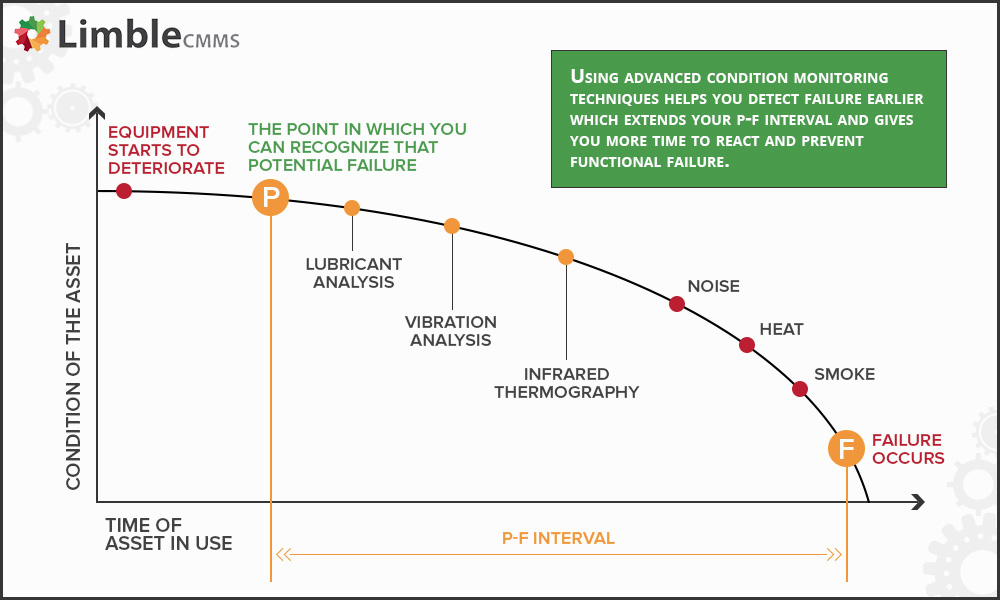
Regular checks help teams spot early signs of wear, correct minor issues on the spot, or log problems for later preventive maintenance. The main drawbacks are downtime required for shutdowns and the risk of detecting issues only after failure has progressed.
To address these challenges, many firms now deploy condition‑monitoring sensors that provide real‑time data on temperature, vibration, and other indicators. These sensors enable condition‑based and predictive maintenance, reducing reliance on manual inspections while still keeping them essential—especially for low‑cost assets where sensor investment is not justified.
Visual Inspection in Quality Control
As the oldest non‑destructive testing (NDT) method, visual inspection quickly identifies surface defects such as cracks, scratches, misalignments, and corrosion.
High‑value brands, like Rolls‑Royce, rely heavily on visual checks; internal data shows roughly 70% of faulty components are rejected during visual inspection.
Even the food and beverage sector uses visual inspection to detect foreign objects, ensure proper sealing, and verify labeling accuracy. Many manufacturers are now integrating machine‑vision systems to automate these checks.
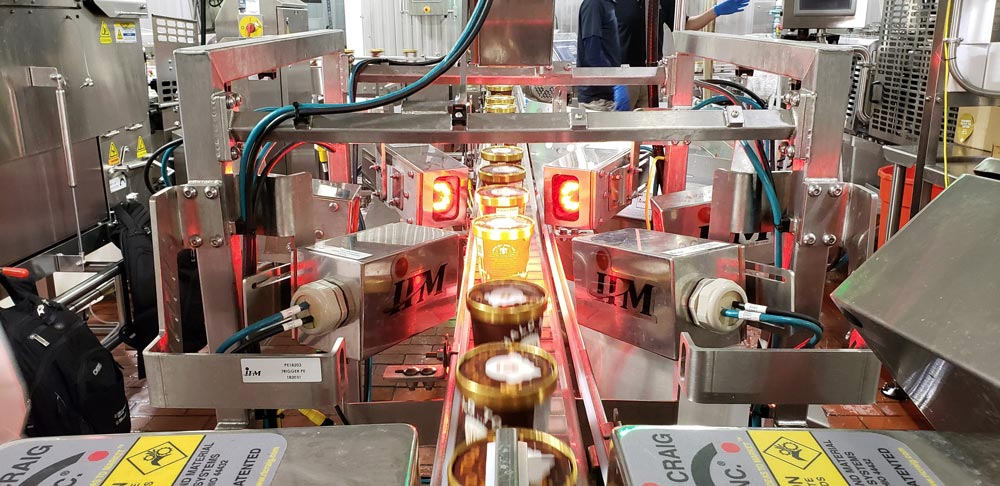 An example of an automated visual inspection system (Image source)
Visual testing in quality control generally follows one of three approaches:
- Random sampling: Inspect a subset of products at the line for obvious defects; more detailed checks occur in dedicated areas.
- Full manual sampling: Inspect every item manually—a labor‑intensive process that requires ergonomic tools to protect workers.
- Automated visual inspection: Deploy cameras, image‑processing, and AI algorithms to evaluate products continuously.
Automated systems are gaining traction as industry‑specific solutions mature, though adoption rates vary by sector.
Modern Visual Inspection Techniques
Advances in camera resolution and machine learning are reshaping visual inspections, enabling remote checks in hazardous or hard‑to‑reach environments and fully automated checks on the factory floor.
Remote Visual Inspections for Asset Maintenance
Robots and drones can now access elevated or confined spaces, capturing images or live video for technicians located far away.
Data can be transmitted in two ways:
- Live stream: Real‑time video is relayed to a base station, allowing remote control of the robot or drone—provided continuous wireless connectivity exists.
- Saved data: In environments lacking connectivity, recordings are stored locally and reviewed later.
Shared imagery facilitates collaboration among technicians and subject‑matter experts, accelerating problem resolution.
Automated Visual Inspections (AVI) for Mass Production
AVI harnesses computer vision and AI to perform inspection tasks traditionally handled by humans, aiming to reduce manual labor in high‑volume factories.
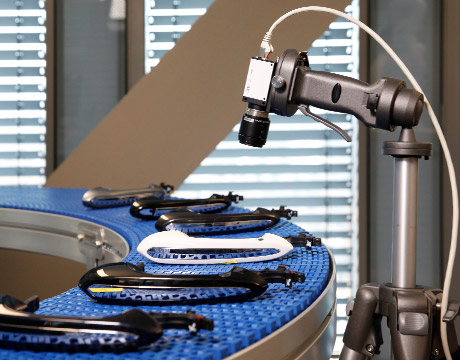 Cognitive visual inspection solution from IBM (Image source)
Take Foxconn, for example. In their iPhone motherboard line, a human inspector first approves a benchmark board. The image of this board—and of known defective examples—feeds into a machine‑learning model. Subsequent boards pass through cameras that capture multiple angles; the algorithm compares attributes such as component placement, solder quality, and color consistency. Boards matching the benchmark are approved automatically.
While AVI offers significant efficiencies, several limitations remain:
- Technical constraints: Algorithms need extensive training data and struggle with reflective surfaces, limiting their use on many metals.
- Cost barriers: High‑end imaging hardware, networking, and software licenses can be prohibitive for smaller operations.
As sensor quality improves and prices fall, broader adoption is expected.
How to Standardize the Visual Inspection Process
Standardization makes visual inspections repeatable and verifiable, despite their inherently subjective nature.
Standardization in Maintenance
Maintenance teams typically use standard operating procedures, safety guidelines (e.g., LOTO), and checklists. Visual inspections can be treated similarly:
- Identify all assets that require routine visual checks.
- Map key inspection zones for each asset.
- Define corrective actions for each observed defect.
- Create a flowchart to guide inspectors.
- Develop a checklist of visual cues.
- Integrate the checklist and flowchart into a CMMS—ideally a mobile version for on‑site use.
- Review and update documentation periodically.
Experienced technicians should author these documents, ensuring new hires receive comprehensive training.
Standardization in Quality Management
Quality teams should establish clear training protocols that cover:
- Defining defect criteria.
- Handling defective items.
- When and how to use specialized inspection tools.
- Escalation paths for borderline cases.
- Recording novel anomalies.
- Other plant‑specific guidelines.
While subjectivity cannot be eliminated entirely, consistent training and documentation reduce variance among inspectors.
Inspect Away
Full automation of visual inspection remains a distant goal, and widespread availability for small‑ and medium‑sized firms will take time. Until then, trained personnel will continue to play a critical role in asset reliability and product quality.
Questions? Share them in the comments below. For deeper insights into equipment maintenance and reliability, explore our latest articles on the Limble blog.
Equipment Maintenance and Repair
- Reliability & Asset Management: Foundations for Production Excellence
- Strategic Asset Management: Unlocking Sustainable Operational Excellence
- Mastering Quality Assurance in MRO Materials Management
- 5 Critical Risks That Undermine Asset Management Success
- How Asset Management Drives Sustainability: Insights from Fiix & Raconteur
- Why Maintenance & Asset Management Software Is Essential Now
- Optimizing Infrastructure Investment: Spatial Systems in Transportation Asset Management
- Revolutionizing Quality Control with Low‑Code & No‑Code Software
- Ensuring Precision: Comprehensive Quality Inspection & Control in CNC Machining
- Essential Guide to Quality Control & Inspection in CNC Machining