


Industrial manufacturing
CNC Machine

Precious metals can be particularly difficult to machine due to their wide range of material properties and high cost if a part has to be scrapped. The following article will introduce these elements and their alloys as well as provide a guide on how to machine them effectively and efficiently. Abou

Since we began shining a light on Harvey Performance Company brand customers via “In the Loupe’s,” Featured Customer posts, more than 20 machinists have been asked to share insight relevant to how they’ve achieved success in advancing their machining career. Each Featured Customer post includes inte

“Green Manufacturing” has become a common phrase used by many in America’s largest industry. It is defined by Goodwin College as “the renewal of production processes and the establishment of environmentally friendly operations within the manufacturing field.” Taking the time to rethink dated process

When trying to develop efficient processes, many machinists and programmers turn to tool selection first. It is true that tooling can often make a big difference in machining time, and speeds and feeds, but did you know that your machine’s spindle can have an equally impactful effect? The legs of a

With the launch of the new Helical Solutions website, Harvey Performance Company is proud to introduce a new way to order Helical cutting tools. Now, users of our new website are able to send a “shopping cart” of Helical tools they’re interested in directly to their distributor to place
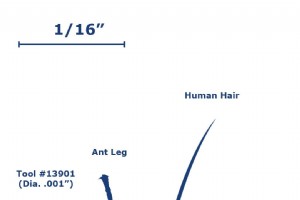
The machining industry generally considers micromachining and miniature end mills to be any end mill with a diameter under 1/8 of an inch. This is also often the point where tolerances must be held to a tighter window. Because the diameter of a tool is directly related to the strength of a to
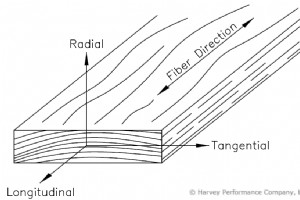
Developing a Successful Cutting Direction Strategy There are a number of factors that can affect the machining practices of wood in woodworking. One that comes up a lot for certain hardwoods is the cutting direction, specifically in relation to the grain pattern of the wood. Wood is an anisotropic
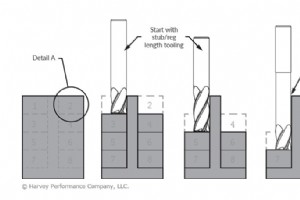
Milling part features with thin wall characteristics, while also maintaining dimensional accuracy and straightness, can be difficult at best. Although multiple factors contribute, some key components are discussed below and can help to increase your thin wall milling accuracy. Use Proper Tooling Lon
There are two distinct ways to cut materials when milling: Conventional Milling (Up) and Climb Milling (Down). The difference between these two techniques is the relationship of the rotation of the cutter to the direction of feed. In Conventional Milling, the cutter rotates against the direction of
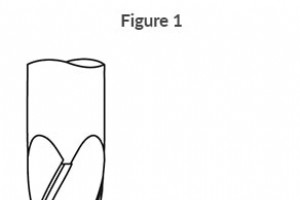
Poor tool life and premature tool failure are concerns in every machining application. Something as simple as tool path selection – and how a tool first enters a part – can make all the difference. Tool entry has a great deal of influence on its overall success, as it’s one of the most punishing op
The following is just one of several blog posts relevant to High Efficiency Milling. To achieve a full understanding of this popular machining method, view any of the additional HEM posts below! Introduction to High Efficiency Milling I High Speed Machining vs. HEM I How to Combat Chip Thinning&nbs
The following is just one of several blog posts relevant to High Efficiency Milling. To achieve a full understanding of this popular machining method, view any of the additional HEM posts below! Introduction to High Efficiency Milling I High Speed Machining vs. HEM I How to Combat Chip Thinning I D
Tool entry is pivotal to machining success, as it’s one of the most punishing operations for a cutter. Entering a part in a way that’s not ideal for the tool or operation could lead to a damaged part or exhausted shop resources. Below, we’ll explore the most common part entry metho
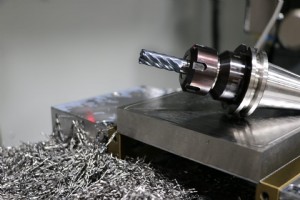
In today’s manufacturing industry, titanium and its alloys have become staples in aerospace, medical, automotive, and firearm applications. This popular metal is resistant to rust and chemicals, is recyclable, and is extremely strong for its weight. However, there are several challenges that must be

The following is just one of several blog posts relevant to High Efficiency Milling. To achieve a full understanding of this popular machining method, view any of the additional HEM posts below! High Speed Machining vs. HEM I How to Combat Chip Thinning I Diving into Depth of Cut I How to Avoid 4 M

The following is just one of several blog posts relevant to High Efficiency Milling and Micromachining. To achieve a full understanding of this popular machining method, view any of the additional HEM posts below! Introduction to High Efficiency Milling I High Speed Machining vs. HEM I How to Combat
One of the most important considerations when choosing an end mill is determining which flute count is best for the job at hand. Both material and application play an important role in this critical part of the tool selection process. Understanding the effects of flute count on other tool propertie
Coolant in purpose is widely understood – it’s used to temper high temperatures common during machining, and aid in chip evacuation. However, there are several types and styles, each with its own benefits and drawbacks. Knowing which cnc coolant – or if any – is appropriate
Running It Too Fast or Too Slow Can Impact Tool Life Determining the right speeds and feeds for your tool and operation can be a complicated process, but understanding the ideal speed (RPM) is necessary before you start running your machine to ensure proper tool life. Running a tool too fast
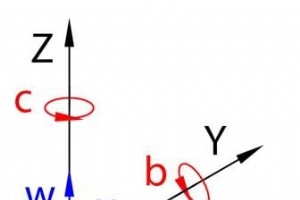
What is Contouring? Contouring a part means creating a fine finish on an irregular or uneven surface. Dissimilar to finishing a flat or even part, cnc contouring involves the finishing of a rounded, curved, or otherwise uniquely shaped part. CNC Contouring & 5-Axis Machining 5-axis machines are
CNC Machine
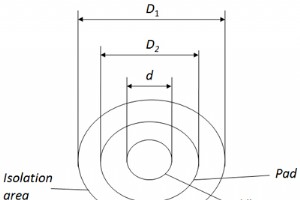
Optimizing Through-Hole Technology for High-Speed PCBs: Reliability, Low EMI & Power Savings

Maximize Corrective Maintenance with Effective Issue Tracking Software

UK Education: Empowering Automation Readiness for a Future-Ready Workforce

Flask vs Django: Key Differences, Features, and Choosing the Right Framework

