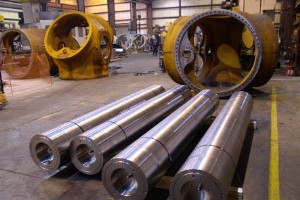
Industrial manufacturing
CNC Machine

Laser cutting technology is a very useful development that has occurred over the past half-century. Also, laser cut steel is an important application of laser cutting technology. Because various steel materials are widely used in life.A high-density laser beam irradiates onto the steel surface to me
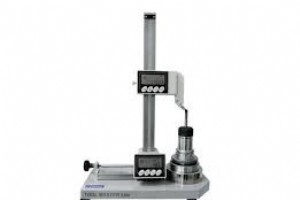
G10 Programmable offset is used for tool data entry (tool offset) and fixture offset data entry (work offset) in CNC machine. It is very easy to take offset in this method. g10 is used to serve in the datum position program. This code is very useful in a
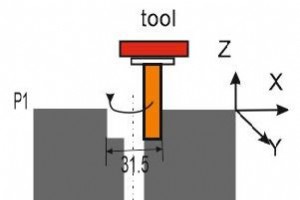
In helical milling program we are widening diameter of hole up to 31.5mm . Lets see how to make program for helical milling ; O1234 N10 M06 T0606 ; N20 G91 G54 G21 G17 G80 G43 ; N30 M03 S1200 ; N40 G00 X0.0 Y0.0 ‘ N50
Numerical Control Means operation which is controlled by number, letter and symbol. By using this technology machine tool & workpiece operate automatically. Numerical instruction is designed to do a particular job. NC machine has the capability to change the program for a particular jo

CNC means Computer Numerical Control and VMC means Verticle Machining Center. There is no difference between CNC and VMC , because VMC is a type of CNC . But here we see the difference between CNC Lathe and&nbs
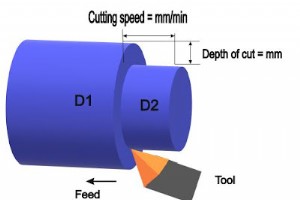
SPINDLE SPEED [N] : Spindle speed plays a very important role in calculating cutting speed. Spindle speed is also called RPM. This means how much revolution the spindle does in a minute is called RPM or spindle speed. Suppose 2000 spindle speed. If you want to show spindle speed in

Different types of CNC machines are available in the market today. They can be used for different purposes such as 3D printing, cutting, and engraving etc. CNC machines are a valuable tool that has the potential to create thousands of high-quality parts with just a few minutes work. However, it is
The following is just one of several blog posts relevant to High Efficiency Milling. To achieve a full understanding of this popular machining method, view any of the additional HEM posts below! Introduction to High Efficiency Milling I High Speed Machining vs. HEM I Diving into Depth of Cut I How
Deep cavity milling is a common yet demanding milling operation. In this style, the tool has a large amount of overhang – or how far a cutting tool is sticking out from its tool holder. The most common challenges of deep cavity milling include tool deflection, chip evacuation, and tool reach.
Corner Engagement During the milling process, and especially during corner engagement, tools undergo significant variations in cutting forces. One common and difficult situation is when a cutting tool experiences an “inside corner” condition. This is where the tool’s engagement angle significantly i

The following is just one of several blog posts relevant to High Efficiency Milling. To achieve a full understanding of this popular machining method, view any of the additional HEM posts below! Introduction to High Efficiency Milling I High Speed Machining vs. HEM I How to Combat Chip Thinning I D
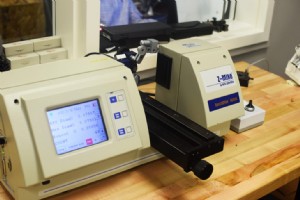
Tool runout is a given in any machine shop, and can never be 100% avoided. Thus, it is important to establish an acceptable level of runout for any project, and stay within that range to optimize productivity and prolong tool life. Smaller runout levels are always better, but choice of machine and t
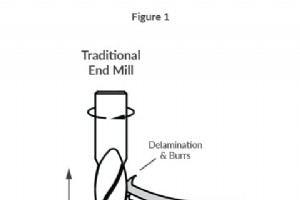
Composites are a group of materials made up of at least two unique constituents that, when combined, produce mechanical and physical properties favorable for a wide array of applications. These materials usually contain a binding ingredient, known as a matrix, filled with particles or fibers called
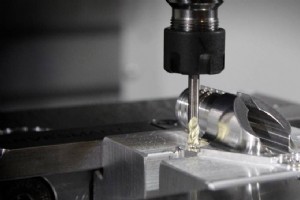
Cutting tools undergo a great deal of force during the machining process, which cause vibrations – also known as chatter or harmonics. Avoiding these vibrations entirely is not possible, though minimizing them is pivotal for machining success. Vibrations become damaging when proper machining
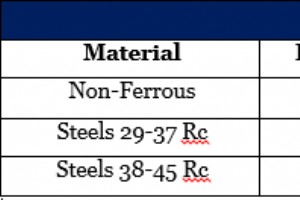
Utilizing a proper pecking cycle strategy when drilling is important to both the life of your tool and its performance in your part. Recommended cycles vary depending on the drill being used, the material you’re machining, and your desired final product. Start to Boost Your Accuracy with Har

Every machinist must be aware of tool deflection, as too much deflection can lead to catastrophic failure in the tool or workpiece. Deflection is the displacement of an object under a load causing curvature and/or fracture. For Example: When looking at a diving board at rest without the pressure of

Tolerance stacking, also known as tolerance stack-up, refers to the combination of various part dimension tolerances. After a tolerance is identified on the dimension of a part, it is important to test whether that tolerance would work with the tool’s tolerances: either the upper end or lower end.
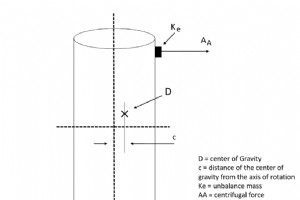
High speed machining is becoming increasingly widespread in machine shops all over the world due to the proven benefits of greater efficiency and productivity through increased spindle speeds and metal removal rates. However, at such high spindle speeds, otherwise negligible errors and imperfe
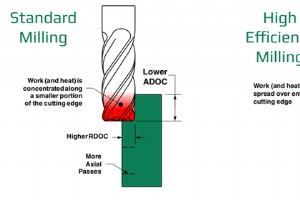
Any cutting tool application will generate heat, but knowing how to counteract it will improve the life of your tool. Heat can be good and doesn’t need to totally be avoided, but controlling heat will help prolong your tool life. Sometimes, an overheating tool or workpiece is easy to spot due to smo

Breaking and damaging an end mill is oftentimes an avoidable mistake that can be extremely costly for a machine shop. To save time, money, and your end mill it is important to learn some simple tips and tricks to extend tool life. Properly Prepare Before the Tool Selection Process The first step of
CNC Machine