


Industrial manufacturing
CNC Machine
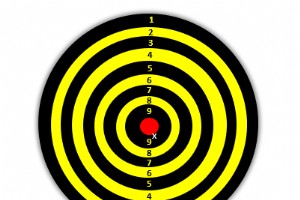
Have you recently reached out to a CNC machining service provider to inquire about their services, or did you stumble upon a CNC machining services page? If so, you must have read something along the lines of “Our CNC machines offer high accuracy and precision and can meet t

What makes CNC machines so accurate and versatile? This question must have crossed your mind if you’re looking to fabricate your parts using CNC machines. Without a doubt, the computerized nature of computer numeric control (CNC) machining plays a significant role in the mac
Professionals use CNC machining to shape acrylic for a variety of industrial uses. While it allows for flexible use, acrylic materials frequently break down when compressed or stretched. This means that caution is required when shaping or cutting it. CNC machining is the bes
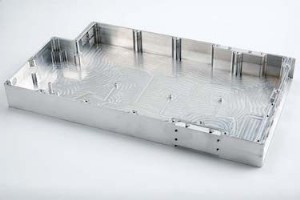
If you’ve finished designing your part but aren’t sure which material to select, you’ve come to the right place. Several overarching types of materials can be used in CNC machining: metals, plastics, ceramics, composites, and wood. Each material has unique characteristics an
Computer Numerical Control (CNC) machining is a manufacturing process that uses computer instructions to control machine tools and create features on a workpiece. CNC machines’ incredibly high accuracy, precision, and speed make them one of today’s most in-demand manufacturi
If you are looking to learn about CNC turning, you’ve come to the right place. CNC turning is a CNC process where a cutting tool, a typically non-rotating component of the lathe or turning center, removes material from a rotating rigid material. This process produces differe
CNC milling is a CNC process that involves the use of rotating cutters to remove portions of a block of material (or workpiece) till the desired custom shape (or feature) is made. It allows manufacturers to create intricate parts accurately while meeting tight tolerance requ
You may have seen the terms Turning and Milling while reading about CNC machining. If so, you may be unsure about what these processes entail and want to understand their differences. Here, we cover the essential information about these two manufacturing processes, including
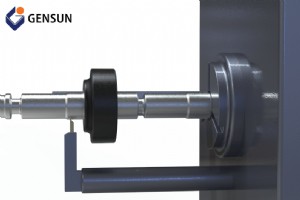
In the 19th century, pocket watches were the order of the day, and watchmakers had no problem fabricating these watches using conventional lathes. However, things started to take a new turn for watchmakers when they started manufacturing wristwatches. Because wristwatches re
During the early stages of the first industrial revolution, there was no standard for fabricating machine parts. That meant every machine or manufactured product had its custom design and was built in a “one-off” production style. Although this method allowed manufacturers t
The manufacturing industry has come a long way and seen a lot of advances over the years to become what we have today. For instance, back in the 18th century, skilled workers fabricated parts using conventional hand tools. Unfortunately, not only did this process cause long
The manufacturing industry is one of the most dynamic industries in the world. For instance, some decades ago, you could manufacture products or parts using only conventional tools. However, it’s quite challenging today to fabricate any part and meet product designers’ requi
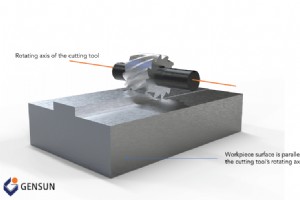
Since the beginning of the first industrial revolution, product design requirements have become more stringent. For instance, in the 1770s, you could fabricate pretty much anything using conventional hand tools. However, turning a product idea into products today requires be
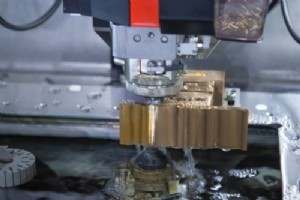
When people think of machining, lathes and milling machines may be the first thing they imagine. Still, there are a variety of other machining processes that may be even better suited for certain applications. One such method is electrical discharge machining (EDM). This art

Should you develop in-house or outsource to a contractor? You might be asking yourself this question because you’re in the process of developing a new product. Or maybe you’re frustrated with issues in your supply chain and looking for reliable alternatives. You might be lea
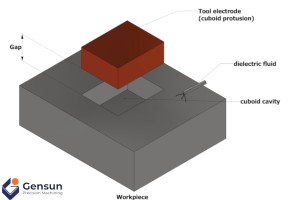
Sinker electrical discharge machining (EDM) – also known as ram EDM, conventional EDM, die-sinker EDM, and plunge EDM – is one of the oldest and most widely known types of EDM. It is a unique machining method for making intricate parts with high precision, even in very hard
At the start of the Digital Revolution, people thought that computers and robots would push humans out of the workplace, doing their jobs faster and cheaper. Instead we’ve come to find that human creativity and ingenuity are essential, irreplaceable components for problem so
Machine shops contain a diverse collection of equipment for meeting the production needs of designers. This machinery can be used together to create an unlimited number of unique shapes for both simple and complex parts. Without machining expertise, however, design engineers
Manufacturers use Computer Numerical Controlled (CNC) milling techniques to produce complex components in a fast and cost-effective manner. CNC machining controls rotating cutting tools via a computer programming interface. Following the program design, these tools systematically shape t
Sheet metal fabrication is a process of creating volume from flat sheet material for limitless application. It usually involves cutting, forming, rolling, or pressing the sheet metal using special tools to design specifications so that they can be assembled with other components to creat
CNC Machine

Maximizing B2B Success with Strategic Omni‑Channel Marketing
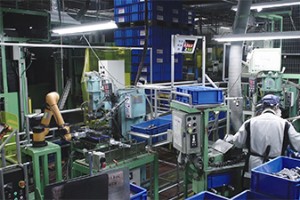
Real‑World Automation Success Stories: Boosting Efficiency and Quality
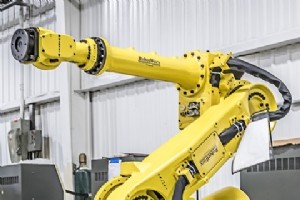
Fanuc R-2000iB/165F vs R-2000iB/210F: Key Differences & Similarities
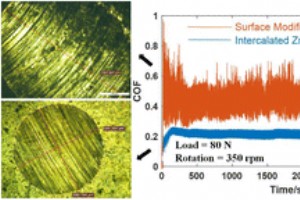
Optimizing Tribological Performance of Layered Zirconium Phosphate Nanoplatelets in Oil Through Tailored Surface and Interlayer Functionalization

