



Understanding Exhaust Ventilation: Protecting Health and Enhancing Air Quality
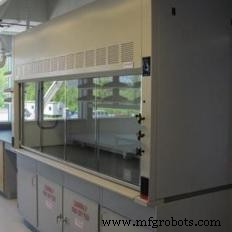
Exhaust ventilation is a method which is used to vent waste materials in the form of fumes and gases. Many fumes found in exhaust are harmful to human health, making this method important for keeping an environment safe to work or live in, and others may be annoyances which people would rather not have present in the air they are breathing. For example, strong odors could be distracting or disrupting, though not harmful, and an exhaust ventilation system could be used to remove them from a work area.
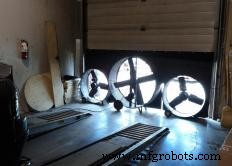
Such systems usually have one or more fans which are designed to create a draft which pulls air away from an area where exhaust is generated. Some systems rely on the pressure differential created by heated gases, using chimneys and pipes to route heated air and gases away from the location where they are generated. In either case, an exhaust ventilation system consists of some form of pipework which is attached to a vent which allows the gases to be discharged in an area where they cannot do harm.
In some cases, exhaust ventilation also filters the materials being routed through the system. This is designed to remove particulate matter to reduce pollution, or to remove harmful materials which may be present in the exhaust. For example, in labs which perform biological research, exhaust ventilation systems are used to pull harmful materials away from researchers while they work, and filters trap these materials before they are released into the air.
In any situation where combustion is involved, an exhaust ventilation system is necessary. The system vents byproducts of combustion harmlessly at a distance, maintaining air quality. This ventilation method is also used in environments where strong smells are present, as in an autopsy facility, where it may be beneficial to keep the air fresh and clean. Hazardous materials in the form of gases and fumes must also be routed through an exhaust ventilation system, as seen in a chemistry lab where fume hoods are used to control the air quality.
If an environment is not properly ventilated, fumes and gases can accumulate. This can cause a number of problems for human health. Some gases will displace oxygen, making it difficult for people to breathe, while others can be harmful to human health when inhaled, especially for prolonged periods. Environments where hazardous materials are handled may have sensors which will sound alarms if exhaust ventilation systems are not working properly or dangerous fumes are building up.
Industrial equipment
- Diamond Turning: Precision Machining for Advanced Optics and Beyond
- Understanding the Oxygen (O2) Sensor: Role, Placement, and Failure Signs
- Understanding AS9100: The Aerospace Quality Management Standard
- What Is A2 Steel? A Versatile, Cost‑Effective Tool‑Steel Grade for Industrial and Woodworking Applications
- Welding Ventilation Explained: Types, Benefits & Practical Examples
- Understanding Metal Casting: Process, Benefits, and Applications
- Demystifying 3D Printing: A Clear Guide for Innovators
- Understanding Ventilation Systems: Keeping Your Indoor Air Fresh and Healthy
- Understanding Welding Ventilation: Types, Functions, and Practical Examples
- Decoding 'N' in Pump Calculations: Its Role and Significance