



Why Hydraulic Motors May Lose Strength and How to Prevent It
Hydraulic motors are an essential component of the machinery used in a variety of industries. However, like any other machine, they can be susceptible to weak spots that can cause them to fail. In this article, we will discuss the different factors that can impact the strength of a hydraulic motor, and how you can avoid problems before they occur.
One of the main factors that can contribute to the strength of a hydraulic motor is the type of oil used in it. Different types of oils have different properties, and can affect how well the motor performs. If the oil is not used correctly, or if it becomes contaminated, it can cause damage to the engine and eventually lead to its failure.
Another factor that can impact a hydraulic motor’s strength is its design. Certain features in a motor may not be as strong as they need to be, which can lead to problems down the road. For example, a motor with inadequate seals may leak fluid, which can damage components inside the machine.
In order to avoid problems with your hydraulic motors, make sure that you keep them properly lubricated and check for signs of wear or damage. You can also consider using stronger engines or motors designed for heavier loads. By taking these precautions, you can ensure that your machinery continues to operate smoothly and without issue.
What is a hydraulic motor?
A hydraulic motor is a type of machine that uses the power of pressurized fluid to do work. The fluid is typically water, but can also be oil or other liquids. A hydraulic motor uses a pump to move the fluid, and this movement creates a force that can be used to do work.
One common use for a hydraulic motor is in cars. The engine uses hydraulic pressure to push the car forward. This pressure is also used to operate other mechanical components, like the brakes.
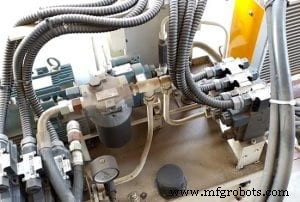
Do hydraulic motors get weak
How hydraulic motors work
Hydraulic motors work by using a fluid to power a rotating shaft. The fluid is pressurized and sent through a channel to the shaft, where it powers the shaft. The pressure of the fluid creates a force that helps move the object. Hydraulic motors can be weak if they are not properly maintained.
Hydraulic motors are used in a variety of applications, including cars, trucks, boats, and aircraft. They are also used in mining and construction.
What can happen if a hydraulic motor gets weak
If a hydraulic motor gets weak, it can start to leak fluid and may eventually seize up. This can cause the machine to stop working altogether, or it may just require more frequent maintenance to keep it running properly.
If the leaking is severe, fluid may even seep out of the motor and onto the ground, potentially causing a flood. In worst-case scenarios, the motor could start a fire.
If you notice any symptoms of a weak hydraulic motor, it’s important to take action right away. Contact your manufacturer or local service provider for help.
How to fix a weak hydraulic motor
Weak hydraulic motors can be a real pain to fix. Luckily, there are a few things you can do to help make the process a little easier. First, it’s important to determine the cause of the problem. If you can narrow down the issue to a specific part or component, fixing it may be easier. If not, you may need to take the motor apart and try to find the weak spot.
Once you have an idea of what is causing the problem, you can start working on fixing it. Often times, simply replacing parts will fix the issue. However, if the motor is completely worn out or damaged, you may need to replace it. In either case, following these tips should make the process easier:
– Always use genuine manufacturer parts when repairing hydraulic motors. This will ensure that your motor will function properly and last longer.
– Check for leaks during repairs. If there are any signs of water or gas seeping into the system, stop and fix the leak before continuing. This will prevent serious damage from occurring.
– Be patient while fixing your hydraulic motor. It can take some time and patience to get it running again correctly.
What are the risks of weak hydraulic motors?
hydraulic motors are a vital part of many machines, including those used in construction and manufacturing. However, these motors can become weak over time, which can lead to them failing prematurely. Weak hydraulic motors may also experience more frequent failures due to increased stress on the system. In either case, this can lead to significant inconvenience and potential safety hazards.
When inspecting or repairing a hydraulic motor, it’s important to identify any signs of weakness. This may include an increase in noise or vibration, or sudden failure of the motor. If a weak motor is detected, it should be replaced as soon as possible to avoid any further damage or injury.
How can you prevent weak hydraulic motors from happening?
There are a few ways to prevent weak hydraulic motors from happening. One way is to always use the recommended maintenance schedules for your machine. Another way is to keep your machine well-maintained and in good working order. Finally, you can also make sure that your hydraulic motor is properly lubricated.
All of these measures will help to keep your machine running smoothly and preventing any weak hydraulic motors from happening.
How to test a hydraulic motor for strength
Hydraulic motors are a common component in many devices and can be important for their function. However, if the motor becomes weak, it may not be able to provide the necessary power. Testing a hydraulic motor for strength is important to ensure that it can handle the requested workload.
The first step in testing a hydraulic motor for strength is determining its specifications. This includes knowing the maximum working pressure and the minimum required speed. Once these values are known, a test can be performed to measure how much power the motor can produce.
A test can be performed using a dynamometer or load cell to measure how much power is being output. The dynamometer will use weight to measure how strong the motor is, while the load cell will measure how much force is being applied. By comparing the results of these tests, it can determine whether the motor is strong enough to meet requested requirements.

Do hydraulic motors get weak
Tips for Troubleshooting a Hydraulic Moto 5
If you’re having trouble with your hydraulic motor, there are a few things you can do to try and fix the problem. Here are some tips for troubleshooting a hydraulic motor:
1. Make sure the fluid level is correct. If the fluid level is low, it can cause the motor to overheat and break down. Add fluid as needed.
2. Check the seals. If the seals are damaged or not functioning properly, water can get into the motor and cause it to break down. Replace seals as needed.
3. Test the engine power. If the engine power is low, it could be because of a faulty seal or low fluid level. Test the engine power by turning on the motor and checking for proper movement.
4. Check for leaks. If there are any leaks in the system, water can get into the motor and damage it over time. Check for leaks and repair them as necessary.
How can I prevent my hydraulic motor from getting weak?
There are a few things that you can do to help prevent your hydraulic motor from getting weak. One of the most common causes of a hydraulic motor becoming weak is overheating. Make sure that your motor is properly cooled and never overheat it by running it too hard. Additionally, you should keep your gearbox clean and lubricated to help prevent wear and tear on the gears. Finally, make sure that your system is regularly inspected for signs of wear and tear.
If you do experience a hydraulic motor that is starting to become weak, it is important to have it inspected by a professional. A poorly functioning hydraulic motor can lead to serious safety concerns and could even necessitate the replacement of the entire system.
Conclusion
Yes, hydraulic motors can get weak over time. However, this is typically due to wear and tear on the machine rather than a lack of strength in the motor itself. In most cases, if there are any signs that the motor is starting to show weakness (such as decreased performance or excessive noise), it should be replaced as soon as possible.
Do hydraulic motors get weak, please click https://topkitparts.com/bosch-rexroth-vane-pumps/ to learn more
Industrial equipment
- Stepper Motors: Types, Characteristics, and Practical Applications
- Understanding AC Commutator Motors: Design, Types, and Applications
- Ensuring Peak Performance: Expert Guide to Compressor Motor Maintenance
- Can a Hydraulic Pump Function as a Hydraulic Motor? Understanding the Differences and Practical Applications
- Choosing the Most Efficient Hydraulic Motor for Your Application
- Running a Hydraulic Pump with an Electric Motor: How and Why It Works
- Durability of Hydraulic Motors: How Long Do They Last?
- Do Hydraulic Pumps Lose Power Over Time? A Professional Guide to Their Lifespan
- Can Hydraulic Motors Operate in Reverse? An Expert Insight
- Choosing the Right Hydraulic Motor: Key Factors and Practical Tips