



Hydraulic Pump Lifespan: How Long Do They Last and How to Extend Their Life
Hydraulic pumps are a vital part of any hydraulic system, and as such, they’re likely to play a role in your business for many years to come. But just how long do hydraulic pumps typically last? And what can you do to ensure that they keep running smoothly? In this article, we’ll take a look at the lifespan of hydraulic pumps and discuss some ways to extend their life.
What are hydraulic pumps?
hydraulic pumps are used in a variety of applications and can be found in everything from cars to agricultural machines. They work by using the pressure of pressurized fluid to move objects or fluids. The lifespan of these pumps depends on a number of factors, including the type of fluid being pumped and the overall quality of the pump.
How do hydraulic pumps work?
A hydraulic pump is a machine that uses the pressure of pressurized fluid to move objects. The fluid is typically oil or water, and the pressure is created by an engine or other power source. Hydraulic pumps are used in a variety of applications, including construction, mining, agriculture, and manufacturing.
Hydraulic pumps can last a long time if they are properly maintained. However, they do occasionally wear out. When this happens, the pump may not be able to produce enough pressure to move objects. This could lead to problems with the machine or injury to people working with it. It’s important to keep track of the condition of your hydraulic pump and take action if it starts to show signs of wear.
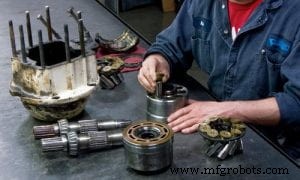
Do hydraulic pumps wear out
What are the different types of hydraulic pumps?
There are many different types of hydraulic pumps, each with its own unique features and benefits. Here are some of the most common types:
– Piston pump: This type of pump uses a piston to move the fluid. They’re usually easy to operate and have a high capacity, making them well suited for applications that need lots of flow.
– Vane pump: This type of pump uses a vane to move the fluid. They’re typically quieter than other pumps and have a low capacity, making them well suited for applications that need small amounts of flow.
– Turbine pump: This type of pump uses a turbine to generate power, which is then used to move the fluid. They’re usually more expensive than other pumps and require more maintenance, but they offer high efficiency and are able to produce large amounts of flow.
How long do hydraulic pumps last?
Hydraulic pumps are a very important part of many machines and vehicles. They help to move the fluid that is necessary for those machines to function. Unfortunately, pumps can also wear out over time. This means that they may not be able to move fluid as quickly or as powerfully as they used to. This can lead to problems with the machine or vehicle, or even worse. If your hydraulic pump is not functioning properly, it may need to be replaced. However, how long do hydraulic pumps typically last? This is a difficult question to answer because it depends on a lot of different factors. However, there are some general guidelines that can help you figure out how long your pump might last. For example, if your pump is used only occasionally and in low-pressure situations, it might last for several years. On the other hand, if your pump is used more often and in higher-pressure situations, it might only last for a few months or even weeks. It is important to keep track of how your pump is performing so that you can make sure that it lasts as long as possible.
Deterioration and Wea
Hydraulic pumps are a vital component of many industrial processes, and as such, they are subject to wear and tear. Over time, the elements that make up a hydraulic pump can break down and cause it to malfunction. This can lead to reduced efficiency and increased wear on the machine itself.
There are a few factors that can contribute to a hydraulic pump’s deterioration. Exposure to the elements can cause metal components to corrode, while contamination from other machines or substances can cause parts to seize up. In extreme cases, worn out pumps may require replacement altogether.
It is important for industrial operators to keep an eye on their hydraulic pumps in order to detect signs of deterioration and take appropriate action. This may include regular inspections, maintenance checks, or even replacement of parts as needed. By taking measures early on, industrial operators can ensure that their pumps continue functioning reliably for years to come.
What Are Signs of a Worn Out Pump?
If you are noticing that your hydraulic pump is starting to wear out, there are some key signs to look for. A worn out pump may experience decreased efficiency, decreased runtime, or even a complete failure. Here are four key signs to watch for:
1. Poor performance – If the pump is not performing as it should, this could be a sign that it is wearing out. Inefficiency could be caused by a number of factors such as clogged filters or worn parts.
2. Increased downtime – A worn-out pump may take more time to start up or may require more force to operate than a new one. This can lead to increased downtime and increased expenses.
3. Failed components – A failed component could mean any number of things ranging from a failed motor to a broken valve stem. If you notice any of these signs occurring with your pump, it’s best to have it inspected by a professional.
4. Complete failure – If your pump fails completely, this could mean serious damage and possible loss of property. If you notice any of the other signs indicating that your pump is beginning to wear out, it’s important to take action before it becomes too late.
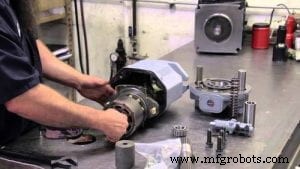
Do hydraulic pumps wear out
How to test if a hydraulic pump is worn out?
Testing a hydraulic pump for wear can be tricky, but there are a few simple methods you can use. The first step is to determine the type of pump. Sump pumps, transfer pumps, and centrifugal pumps all have different types of bearings that can wear out over time. Once you know the type of pump, you can test it using one of the following methods:
1. Force test: Use a weight to apply pressure to the pump and measure how long it takes for the pressure to diminish. A worn pump will take longer to lose pressure.
2. Time test: Measure how long it takes for the output to decrease by a certain amount. A worn pump will reach its limit sooner than a new one.
3. Pressure drop test: Apply pressure to the pump and measure how much water flows through it in a specific period of time. Worn gears cause the pump to lose more pressure quickly, which will show up as a higher pressure drop.
How to replace a worn out pump
If you’re noticing your hydraulic pump is starting to wear out, it’s time to replace it. Here’s how to do it:
1. Make sure the pump is off and unplugged. You’ll need to unscrew the bolts that hold the pump in place.
2. Remove the old pump and install the new one. Make sure the bolts are tightened securely and that the seal between the pump and housing is intact.
3. Reinstall the cover and screws, making sure they’re tight. Plug in the pump and turn it on to test it out.
Conclusion
Although hydraulic pumps can last for many years, they do eventually wear out. It is important to keep an eye on the condition of your pump and replace it when necessary in order to maintain optimal performance.
Do hydraulic pumps wear out, please clickhttps://topkitparts.com/ to learn more
Industrial equipment
- Top 5 Causes of Hydraulic Pump Failures and Prevention Tips
- Hydraulic Pump Lifespan: Typical Operating Life and Replacement Guidance
- Understanding PTO-Driven Hydraulic Pumps: How They Operate and Why They Matter
- Rebuilding Hydraulic Pumps: A DIY Step-by-Step Guide
- Hydraulic Pump Classifications: Positive vs Negative Displacement Explained
- Do You Need to Prime Your Hydraulic Pumps? Essential Guide
- Top 5 Benefits of Rexroth A10V Hydraulic Pumps for Heavy‑Duty Industrial Use
- Three Key Innovations in Hydraulic Pump Technology
- How Hydraulic Pumps Generate Pressure: A Technical Overview
- Do Hydraulic Pumps Lose Power Over Time? A Professional Guide to Their Lifespan