



Robot Safety: Protecting Workers and Maximizing Automation Efficiency
In rapidly evolving industrial landscapes, robotics is pivotal in boosting productivity while safeguarding employees. As the deployment of industrial robots expands, prioritizing safety is essential to prevent accidents and protect workers. Collaborative robots (cobots) open new horizons for human‑robot interaction but also introduce unique safety challenges. This article outlines the core elements of robot safety, offering practical insights and guidelines to safeguard staff while unlocking automation’s full potential.
Importance of robot safety
Robotics now spans manufacturing, warehousing, petrochemicals, and more, transforming task execution. Robots can handle hazardous, repetitive, and unpleasant work, reducing injury risk for humans. Yet, as robots and people share workspaces, addressing safety concerns is critical to maintain a secure environment and preserve operational excellence.
Hazard recognition and assessment
Before deploying a robotic system, conduct a thorough hazard recognition and assessment. Identify risks linked to the specific tasks, the nature of robot‑human interaction, and the surrounding environment. A comprehensive evaluation enables the design of targeted safety measures that effectively mitigate potential hazards.
Standards and regulations
 While OSHA has no dedicated robotics standard, organizations must adhere to existing safety frameworks. Key references include ANSI R15.06‑2012 and ISO 10218, which detail risk identification, safety design, testing, and operational guidance. Compliance also varies by country, so verify local and international requirements. The OSHA Technical Manual, "Industrial Robot Systems and Industrial Robot System Safety," remains a trusted resource for best practices.
Ensuring safe work environments
Creating a safe environment when integrating robots involves several proven practices:
Physical barriers and sensors
Install guardrails, chain‑link fencing, or walls to restrict access to robot work zones. Floor sensors, light curtains, and electric safety mats can detect intruders and halt the robot instantly, preventing injury.
Lockout/Tagout procedures
Train staff on proper lockout/tagout to safely power down robots during maintenance. Isolating the energy source stops unexpected movement and protects technicians.
Interlinking programming and safety devices
Integrate robot control software with safety devices such as light curtains, shut‑off sensors, or door interlocks. A trigger from any device should immediately stop the robot’s task.
Clear communication of safety rules
Regularly post and reinforce safety guidelines: keep work areas clear, avoid loose clothing, secure hair, wear safety glasses, and remove any tripping hazards. Human error is a leading accident cause; clear signage mitigates this risk.
Training and risk assessments
Offer comprehensive training on robot operation and maintenance, aligned with manufacturer recommendations. Conduct routine risk assessments to identify emerging hazards and adjust controls accordingly.
Mobile robot safety
Mobile robots, though less studied than fixed units, pose distinct risks in dynamic environments. Effective safety requires:
Accurate and reliable sensory systems
Equip mobile units with redundant, high‑resolution sensors for navigation, obstacle avoidance, and human detection.
Reliable software
Software should be robust, incorporating fail‑safe mechanisms and error handling to respond to sensor glitches or unexpected events.
Operating at low speeds
Limiting speed gives the robot time to react to changes, reducing collision risk for both humans and the robot.
Braking and emergency stop systems
Install braking and emergency stop features that can halt movement instantly when a hazard is detected.
Maintenance and modification of robot systems
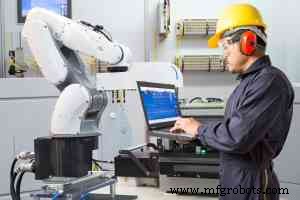
Ongoing safety hinges on disciplined maintenance and controlled modifications. Key practices include:
Well‑defined maintenance procedures
Document routine inspections, cleaning, lubrication, and calibration steps so technicians know exactly what to perform and when.
Precautions during maintenance
When working on a robot, isolate all power sources, lock out control panels, and wear appropriate PPE to prevent accidental activation.
Training for maintenance personnel
Provide targeted training on safe handling and maintenance protocols, ensuring staff can identify hazards and apply mitigation strategies.
Conclusion
Robot safety is foundational to any automation strategy. By rigorously assessing hazards, following ANSI and ISO standards, deploying physical safeguards, integrating safety‑oriented programming, and training staff, organizations protect employees while unlocking the efficiency gains of robotics. Mobile robot safety and disciplined maintenance further reinforce a secure, high‑performance environment. Continuous evaluation, training, and adaptation to emerging best practices keep safety at the forefront of industrial automation.
Ready to transform your manufacturing with reliable, safe robotics? Contact us today to begin your automation journey and achieve new heights of productivity.
Industrial equipment
- Optimizing Production: Achieve Cost Savings with Single-Setup Machining
- Heat Sealers Explained: Types, Uses, and How They Protect Your Products
- When and Why to Bleed Your Hydraulic System
- Applications and Advantages of Double-Acting Cylinders
- West River Conveyors Invites You to the Bluefield Coal & Mining Show, Sept. 14-16, 2022
- Top 3D Printer Buying Guide for Machine Shops – Expert Tips & Choices
- Exploring the Varieties of Green Industrial Design: Types, Benefits, and Impact
- How Changing Pump RPM Affects Flow, Efficiency, and Longevity
- 20 Common Casting Defects: Causes, Symptoms, and Proven Remedies
- Understanding Live (Hot) Wires: Safety, Risks, and Precautions