



Understanding the Three Core Molding Processes: Compression, Injection, and Liquid Injection
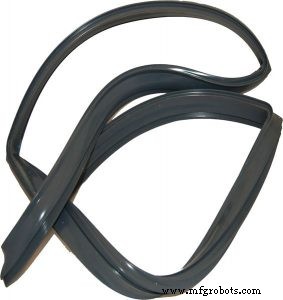
Molding is a family of manufacturing techniques that use a mold—or die—to shape liquid or semi‑solid materials into custom parts. The die, a hollow shell engineered to the exact dimensions of the final part, is filled with heated material, which then solidifies into the desired shape. While all molding shares this core principle, each method offers distinct advantages for specific applications.
#1) Compression Molding
Compression molding remains one of the most widely adopted processes in sectors ranging from automotive to consumer goods. The procedure begins by placing a preheated, pre‑measured amount of thermoplastic or thermoset material inside the die. Once the die is closed, a pressure source—typically a hydraulic ram—forces the material to fill every cavity, ensuring complete adhesion to the mold walls. The resulting part is ejected once it cools and solidifies. Compression molding excels at producing thick, robust components with complex internal geometries that would be difficult or impossible to achieve with other methods.
#2) Injection Molding
Injection molding is the industry’s go‑to solution for high‑volume production of lightweight, intricate parts. In this process, molten plastic is injected into a closed die under high pressure. As the material cools, it hardens in the exact shape of the cavity. Because the injection step is highly automated, manufacturers can achieve consistent quality at speeds that support mass production. While injection molding is ideal for simple to moderately complex parts, it typically struggles with thick sections or highly intricate internal features that would require excessive pressure or risk incomplete filling.
#3) Liquid Injection Molding
Liquid injection molding—often applied to rubber or elastomeric materials—introduces a distinct workflow. The process starts by heating the rubber to a fluid state, then mixing it thoroughly in a barrel or pail. Once homogenous, the liquid is injected into a heated die. After cooling, the cast retains the die’s exact contours. Although the cycle time is longer than compression or injection molding, the method offers cost advantages for complex, multi‑layered rubber parts, especially when large tooling investments are avoided.
Industrial equipment
- Four Proven Manufacturing Methods for Durable O‑Rings
- Pin Rollers, Punch & Die, and Laser: A Comprehensive Guide to Perforation Techniques
- Blow Molding Unveiled: The Three Key Processes Explained
- Compression Molding vs Injection Molding: Key Differences & Choosing the Right Process
- Unlocking Efficiency: Key Benefits of Plastic Injection Molding
- Why Injection Molding Is the Go-To Manufacturing Process
- Rapid Injection Molding: Unlocking Superior Performance and Efficiency
- Injection Molding in Healthcare: Benefits, Applications, and Industry Insights
- Low Volume Injection Molding: Key Limitations and Practical Solutions
- Robotics Transforming Injection Molding: Enhanced Precision & Productivity