



Self‑Tapping vs Traditional Screws: Choosing the Best Fastener for Your Project
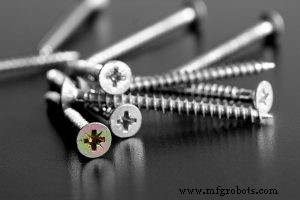
When selecting fasteners, understanding the subtle yet critical differences between self‑tapping and traditional screws can save time, reduce damage, and ensure long‑lasting joints.
What Are Self‑Tapping Screws?
Self‑tapping screws are designed to create their own threaded hole during installation. As the screw turns, its sharp tip cuts or forms threads directly into the material, eliminating the need for a pre‑drilled pilot hole. They come in two main varieties:
- Thread‑cutting – the screw’s threads actively cut into the material, ideal for harder metals and dense composites.
- Thread‑forming – the screw’s threads press and shape the material, best suited for softer plastics and some metals.
This self‑generating capability makes them especially useful for applications where speed and precision are paramount, such as automotive panels, aerospace components, and composite assemblies.
What Are Traditional Screws?
Traditional screws, in contrast, rely on a pre‑drilled pilot hole. The pilot hole, usually created with a drill bit, provides a threaded path that the screw can follow. Without this guiding hole, the screw can:
- Split or splinter wood.
- Crack or damage softer materials.
- Break under excessive torque, especially at the tip or shank.
Because they do not form threads during insertion, traditional screws are most effective in wood, soft metals, and materials where a controlled entry point is essential.
Choosing the Right Screw
Consider the following factors when deciding between self‑tapping and traditional screws:
- Material type – use self‑tapping for metals, composites, and hard plastics; use traditional for wood and soft metals.
- Speed and ease of installation – self‑tapping eliminates the pilot‑hole step.
- Joint strength and durability – self‑tapping offers stronger, more reliable threads in many applications.
- Risk of damage – traditional screws require a pilot hole to prevent splintering and cracking.
By aligning your choice with the material and application, you ensure both efficiency and longevity.
Conclusion
While both screw types share a head, shank, and tip, the defining difference lies in their ability to create threads. Self‑tapping screws generate their own threaded hole, making them ideal for speed and strength. Traditional screws depend on a pilot hole, offering control in materials that are prone to damage. Selecting the appropriate screw type guarantees a secure and durable fastening solution.
Industrial equipment
- Structural Screws: The Heavy‑Duty Fasteners Every Builder Trusts
- Deck Screws Explained: Types, Benefits, and How They Compare to Wood Screws
- Set Screws Explained: Design, Differences, and Applications
- What Are Machine Screws? A Comprehensive Guide
- Understanding Countersunk Screws: Design, Applications, and Benefits
- What Counterbore Screws Are and Why They’re Essential for Flush Fastenings
- Wood Screws Explained: Types, Features, and Selection Tips
- Screws: History, Materials, Design, Manufacturing, and Quality Standards
- Understanding EDM Hole Drilling: Key Principles and Techniques
- Understanding Pilot Drills: Purpose, Benefits, and Usage