



AC Motors & Encoders: Driving Precision in Robotics
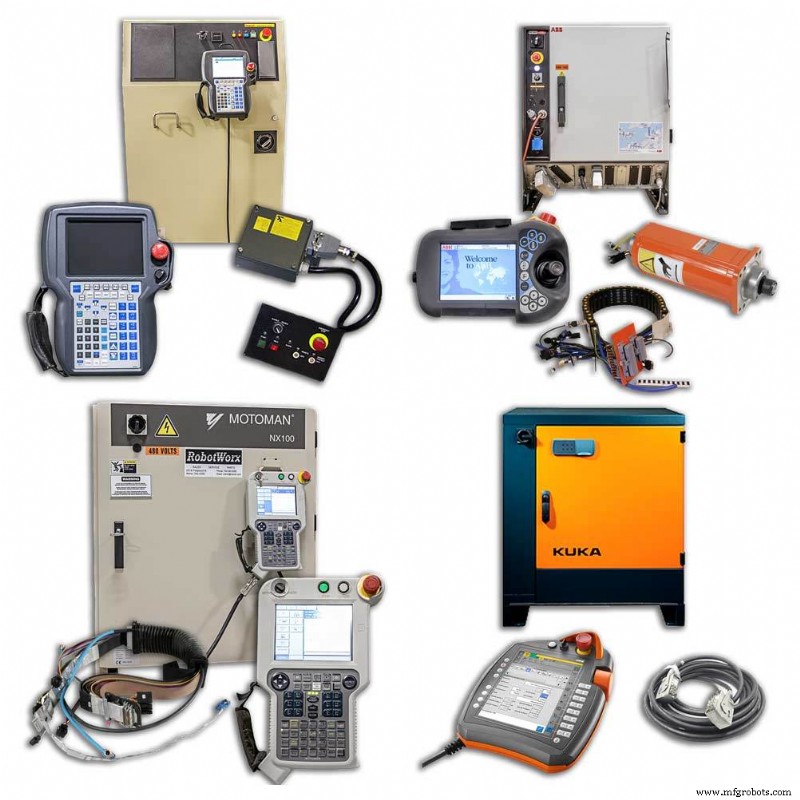
AC motors and encoders are two important parts of a robot. They give the robot purpose. Without them, there would be no motion, and without motion, the robot has no purpose – unless, of course, someone wants a large industrial robotics statue for their living room or workplace.
An AC motor is a motor that is powered by an alternating electric current. Until recently, an alternating current motor was not the best option for robotic operation. Many robots in the past used only direct current, or DC motors. However, as AC motors began to improve with the advancement of microelectronics, these motors were able to be more widely used in several different robot models, to complete many different applications. Why make the switch? An AC motor is more inexpensive than some of the other motors on the market, and it can lower the price of the robotic system overall.
Every AC motor on a robot also has an encoder. According to an article from Anaheim Automation, encoders are sensors that turn the AC motor’s motion into digital signals, or feedback, that give the operators information about the path and position of the robot’s motion at any time during the application. This helps the operators to improve the path trajectory and preemptively clear up any problems before they cause larger issues.
Are you interested in learning more about AC motors and encoders, and how they can help improve the functionality of your robotic system? Then you should pick up the phone and call RobotWorx. WE provide robots from Fanuc, Motoman, KUKA, Universal Robots, and ABB. Our staff will help you find the right robotics system for your facility and budget.
Industrial robot
- Foundations and Advancements of AC Motor Technology
- TRINAMIC Releases TMCS-28-x-1024: Advanced ABN Encoder for BLDC and Stepper Motors
- Frequency Response, Range, and Resolution in Motor Testing: What You Need to Know
- Expert Maintenance Tips: 5 Proven Practices for Motors & Drives
- How Drives and Motors Power Automotive Test Rigs
- Understanding DC vs AC Motors: Key Differences and Buying Guide
- AC vs DC Motors: Key Differences & How to Choose the Right One
- Discover the 5 Key Benefits of Our High-Performance Servo Motors and Drives
- Applications & Characteristics of DC Motors: Performance, Efficiency, and Versatility
- Understanding Brushed vs. Brushless DC Motors: Fundamentals & Applications