



Wally Rhines Projects Silicon Transistor Growth Through 2038
In a recent CXO Cyience webinar, semiconductor veteran Wally Rhines outlined the industry’s post‑COVID recovery and projected sustained growth of silicon transistors through 2038.
The semiconductor and electronic design automation (EDA) ecosystem is the invisible foundation of modern life—from laptops and smartphones to refrigerators, robotics and beyond. Rhines, a recognized authority in this field, shared his expert perspective on the industry’s resilience and future opportunities.

Post‑COVID Recovery
Despite continued global disruptions, the semiconductor sector remains poised for rebound. 2019’s dip—driven by falling memory prices—was followed by a modest slowdown in 2020, yet employment impact has been limited. Key growth drivers include the automotive and communications markets.
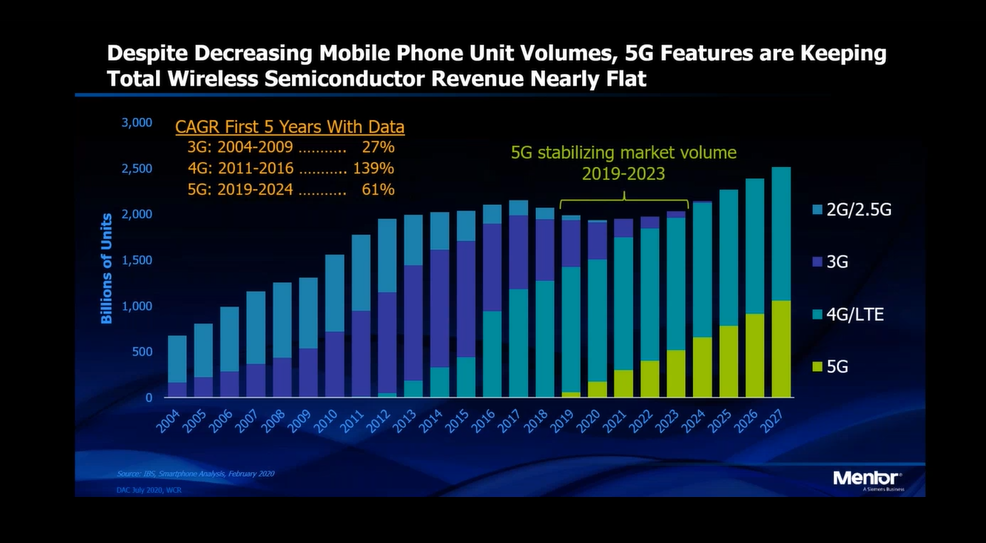
5G adoption is set to offset declines in 4G device demand, as newer phones incorporate more advanced RF silicon. Currently, the communications sector accounts for nearly 40% of the $2.5 trillion industry revenue.
Automotive Expansion
The auto sector is a major catalyst for silicon demand. Around 500 companies are developing electric vehicles (EVs) and 277 are pursuing autonomous driving programs. While some may falter, the sheer scale of investment fuels sustained chip consumption. New, efficient chip architectures designed for autonomous systems further boost the sector’s upside.
Research & Development Commitment
Historically, semiconductors have invested roughly 14% of revenue in R&D over the past 35 years, enabling rapid innovation cycles. The industry anticipates that post‑pandemic demand will hinge on cutting‑edge products that address emerging use cases.
Key Forecasts from “Predicting Semiconductor Business Trends after Moore’s Law”
Silicon Transistor Growth to 2038
Rhines applies the Gompertz (S‑curve) model to predict a sustained increase in silicon transistor deployment until 2038, after which growth will decelerate but continue at a lower pace.
Market Share Paradox
While the industry’s overall revenue rises, the top 50 companies’ market share shrinks—a result of recurring innovation waves that elevate new entrants. Texas Instruments (TI) remains a rare constant, having pivoted to analog and power devices to secure a 41% operating profit margin.
Fabless Investment Surge
Venture capital flows into fabless integrated circuit firms spiked in 2017, reaching $3.5 billion in 2018. This surge aligns with AI and neuromorphic computing demands, fueling new architecture development.
Conclusion
The semiconductor landscape continues to evolve rapidly. Understanding past trends and emerging drivers is essential for stakeholders navigating this dynamic industry.
Embedded
- Semiconductor Manufacturing Techniques: From Silicon Purification to Integrated Circuit Fabrication
- High‑Performance Plastics: Essential Materials for Modern Semiconductor Fabrication
- Semitron® MPR1000: The Next‑Generation Material for Semiconductor Plasma Processing
- AI’s Role in Driving Exponential Growth in the High‑Tech Sector
- Proven Growth Strategies from Five Leading Manufacturing Executives
- Why Wind Energy Is Booming: A Look at the Rapid Growth of the Industry
- Four Key Trends Shaping the Semiconductor Industry's Future
- Semiconductor Evolution Unveiled: Past, Present, and Future – Expert Q&A
- The Semiconductor Industry Explained: Design, Production, and Impact
- Industry 4.0: Unlocking Growth Through Digital Transformation