



Embedded Design Trends Reshaping the Future of Technology
Embedded systems are evolving at breakneck speed—delivering higher performance, smaller form factors, and lower costs. A handheld supercomputer with a GPU now sells for under US$100, enabling on‑device AI development and machine learning. Autonomous‑vehicle control units that once seemed impossible now fit comfortably inside the car. Below are the five most impactful trends driving this evolution.
Explosive Growth of Wireless Connectivity
Grand View Research projects the Internet of Things (IoT) to reach a market value of US$1 trillion by 2025, a surge that will transform manufacturing, retail, energy, smart cities, health care, and transportation. The Industry 4.0 movement is poised to reap the benefits first, as predictive maintenance and real‑time data monitoring unlock higher productivity in smart factories. With 5G pushing peak speeds to 20 Gbps and 6G on the horizon, the expansion of low‑power wide‑area networks (LPWANs) will accelerate further. Leading vendors—NimbeLink, Sequans, MultiTech, Elektronik, Digi, and Telit—are delivering chips and modules that make ubiquitous IoT connectivity a reality.
Speed is Everything
Multicore processors outperform single‑core designs by allocating dedicated cores for specialized tasks such as graphics rendering. While 8‑ and 16‑core chips dominate the market, Intel and AMD are pushing 128‑core solutions, and Arm is charting a 192‑core, 5‑nm roadmap. Nvidia’s bid to acquire Arm for US$40 billion reflects the strategic importance of core count and performance. The advent of 5G—currently delivering 10 Gbps downlink speeds—further fuels the demand for faster, more efficient processors.
Quantum computing offers a complementary leap in speed, solving complex scientific and machine‑learning problems in seconds instead of days. Recent breakthroughs at Finland’s Aalto University have reduced the energy required to measure a qubit, while MIT and City University of New York have demonstrated quantum emitters integrated into an aluminum nitride photonic IC. Though practical quantum machines are still years away, their potential impact on embedded design is undeniable.
Cyberattacks Are Becoming More Frequent and Dangerous
Cyber threats are escalating in scale and sophistication. During the COVID‑19 pandemic, the World Health Organization reported a five‑fold increase in attacks compared with the previous year. High‑profile incidents—Ukraine’s power‑grid outage that left 200,000 customers without electricity and a ransomware attack that halted critical care at a German hospital—highlight the stakes. With more devices connected and higher bandwidth, attackers will find new avenues for intrusion.
In response, cybersecurity spending is projected to reach US$254 billion by 2025. Embedded security solutions are rapidly growing, with manufacturers like Infineon, Microchip, STMicroelectronics, Micron, and Winbond integrating security silicon into new products. The arms race between attackers and defenders will intensify.
Virtual Reality Is Becoming a Reality
What began as niche gaming technology has matured into a profitable, enterprise‑grade platform. Virtual reality (VR) has evolved into augmented reality (AR), mixed reality (MR), and extended reality (XR), expanding its reach into training, manufacturing, medicine, and remote collaboration. For instance, AR goggles can overlay step‑by‑step repair instructions, while XR can project lifelike holographic representations that enable truly immersive virtual meetings.
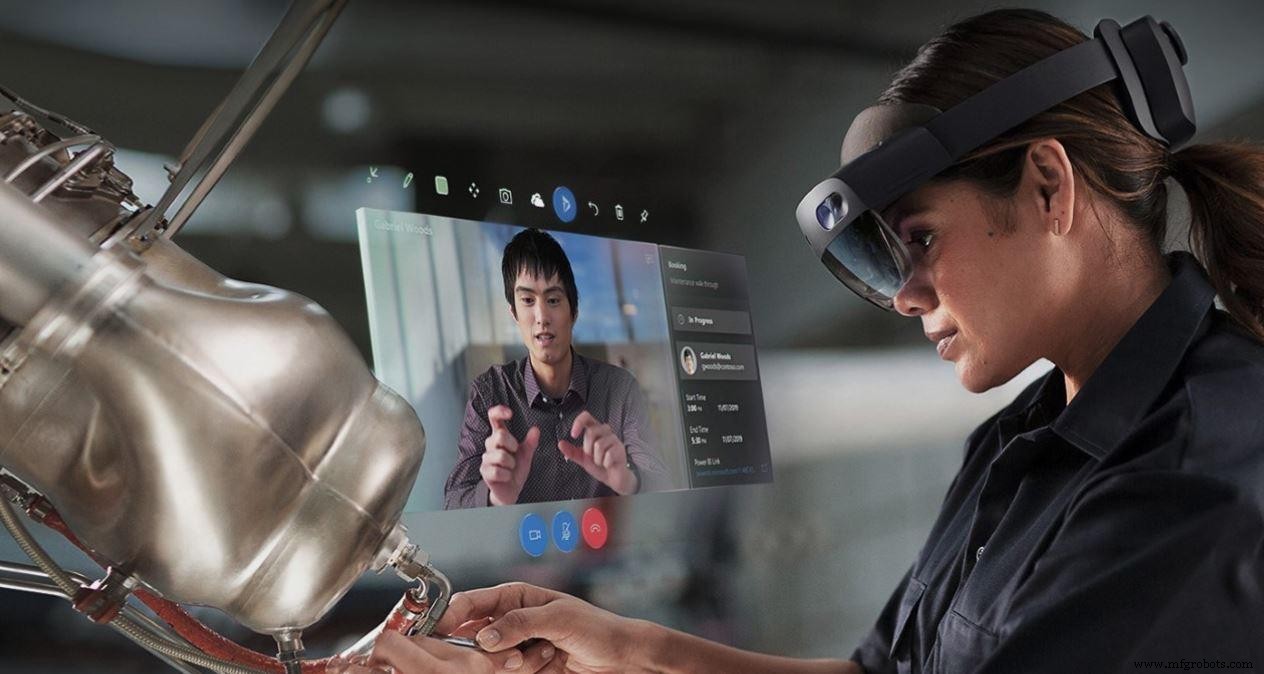
Microsoft HoloLens mixed‑reality smart glasses (Image: Microsoft)
Industry leaders—Microsoft, Google, Intel—are investing heavily in VR, and analysts predict fresh breakthroughs in the coming months. The pandemic has accelerated adoption, with holographic meetings emerging as a practical substitute for face‑to‑face interactions.
Artificial Intelligence Will Be in Every Embedded Design
AI and machine learning are permeating every sector, from retail and health care to autonomous driving and finance. In manufacturing, AI‑enabled vision systems can monitor worker safety in real time, automatically halting processes if protective gear is missing. Future factories may retool on the fly, switching production lines from medical devices to consumer wearables within hours, guided by AI and robotics.
Security is also benefiting from AI. Flowchain—a Taiwan‑based blockchain company—has proposed a hybrid IoT‑AI‑blockchain framework that uses consensus to validate transactions, enhancing data integrity. Strategic partnerships such as Nvidia‑VMware’s end‑to‑end AI platform and Intel’s collaboration with Heidelberg University’s computing center are accelerating enterprise AI adoption.
Hardware is becoming more accessible: Nvidia’s repackaged Jetson Nano GPU module costs just US$59, offering multiple I/O ports (USB, HDMI, Gigabit Ethernet) and open‑source support. AI accelerator startups like Hailo have released the Hailo‑8 chip, positioning themselves against industry giants like Google and Intel.
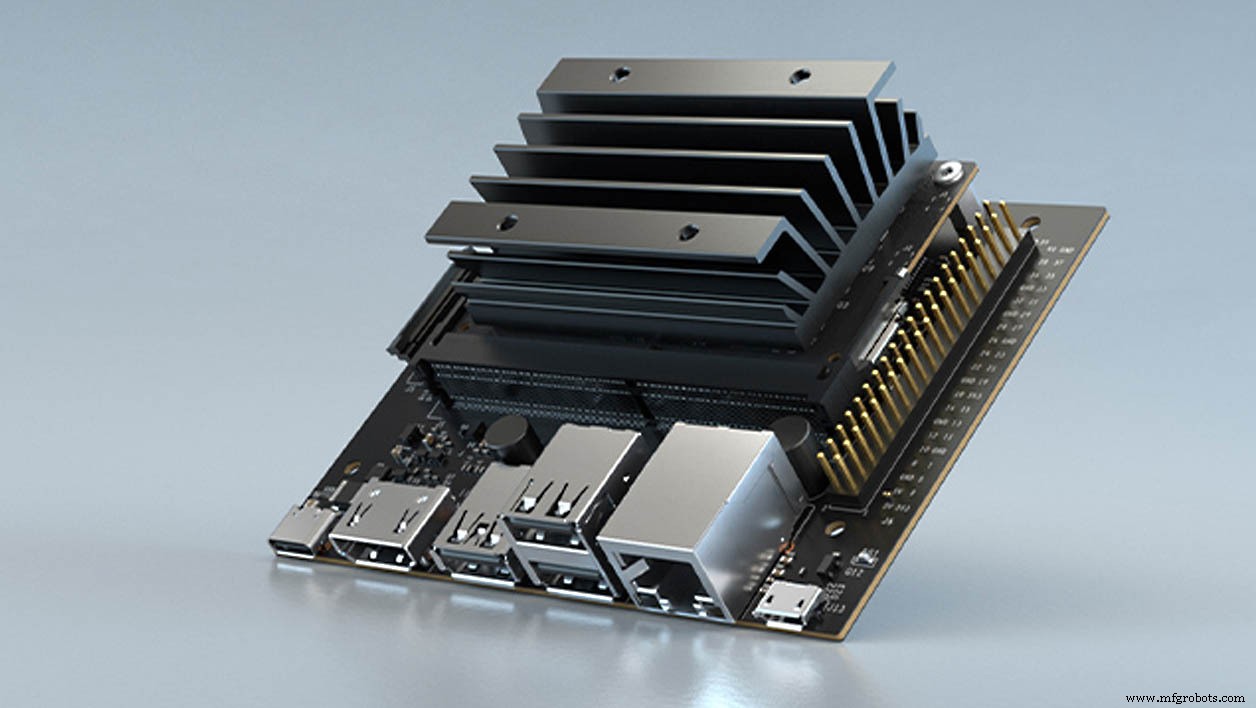
Nvidia’s Jetson Nano 2GB (Image: Nvidia)
Looking Ahead
The pandemic has reshaped many industries, forcing travel, hospitality, and entertainment to reinvent themselves, while telemedicine has exploded thanks to connected medical devices that enable remote vital‑sign monitoring. Embedded technologies will continue to accelerate, driven by explosive wireless growth, unprecedented processing speeds, an intensified cyber‑security arms race, immersive VR/XR applications, and the ubiquity of AI.
— This article was originally published on our sister site, EE Times Europe.
Embedded
- Top 5 Industrial Automation Trends for 2022
- Digital Insurance: 5 Trends Revolutionizing How We Buy and Manage Coverage
- Staying Ahead of Rapid Tech Changes in Manufacturing
- Unlocking Industry 4.0: Why Your Workforce Is the Key to Success
- Four Key Trends Shaping the Semiconductor Industry's Future
- Understanding Industry Trends: Key Insights for Competitive Advantage
- 12 Key Industry Trends Shaping Contract Manufacturing: The Rise of Additive Machining
- 12 Contract Manufacturing Trends Shaping the Future: Part 3
- 12 Key Trends Transforming Contract Manufacturing – Part 2
- 12 Contract Manufacturing Trends Reshaping the Industry: Part 1