



Sir Clive Sinclair: Visionary Behind Affordable Home Computing
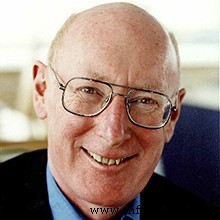
Sir Clive Sinclair, who made affordable home computing a reality in the 1980s and inspired countless embedded‑systems developers, passed away this week at his London home, aged 81.
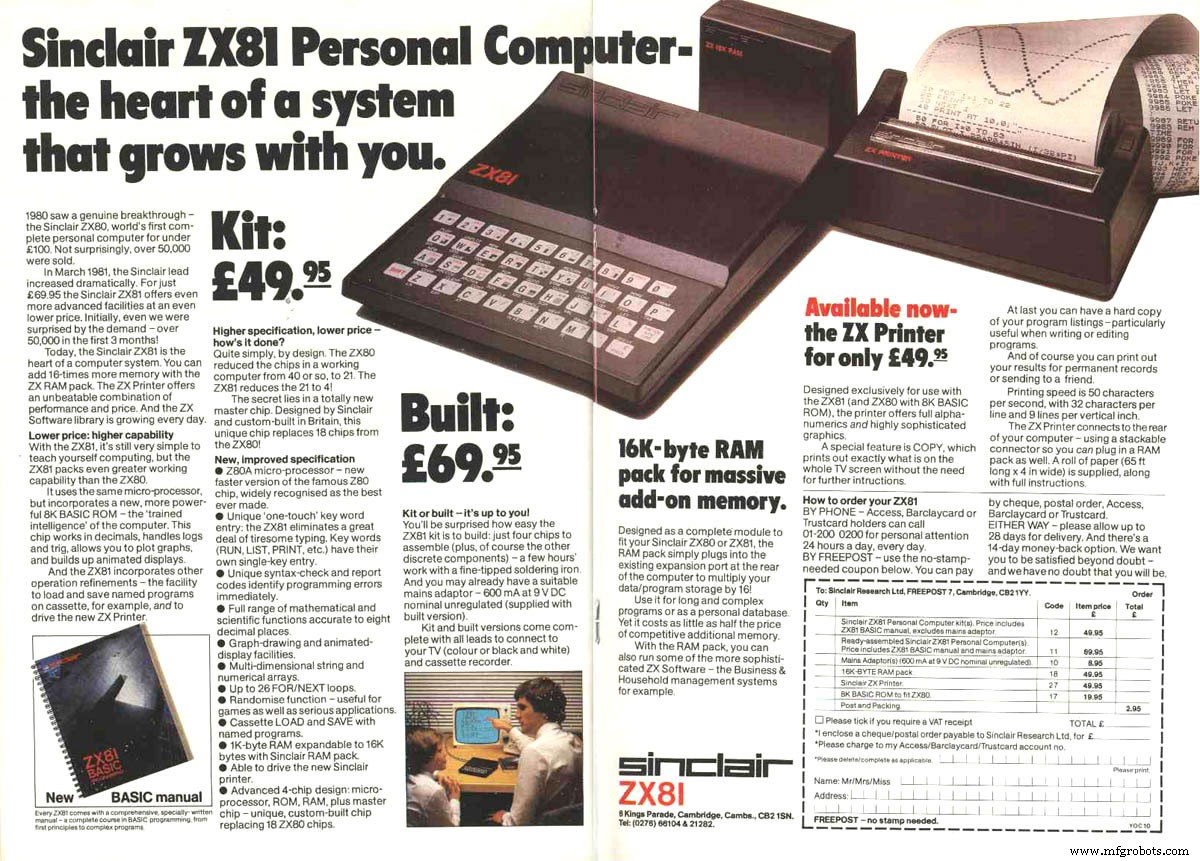
His pioneering machines – the ZX80, ZX81 and the celebrated color ZX Spectrum – introduced millions to programming and gaming, sparking a generation of hobbyists and professionals alike.
The community around Sinclair’s products was as vibrant as the machines themselves. Sinclair User magazine fostered a culture of knowledge exchange, where users shared code, debugging tips and creative ways to use their ZX81 in everyday life.
Sinclair’s career began in 1958 as a technical journalist. He later became a serial inventor, designing micro‑amplifiers, portable TVs, hi‑fi systems and scientific calculators. His long partnership with Chris Curry – who later co‑founded Acorn Computers – lasted 13 years and was foundational to the ZX line.
The launch of the ZX80 (1980), ZX81 (1981) and ZX Spectrum (1982) turned Sinclair into a household name. Although the Sinclair C5 electric car never reached commercial success, it exemplified his willingness to push the boundaries of technology.
Sinclair’s Silicon Dreams
In a 1984 address to the U.S. Congressional Clearinghouse, Sinclair delivered a visionary speech titled Silicon Dreams, where he foresaw the rapid rise of silicon‑based intelligence.
"When I was a boy I read science fiction stories… silicon‑based life will exist. It will not have emerged from millions of years of trial and error in energetic protoplasm but from a mere century or less of man’s endeavour. I am suggesting that the path the silicon‑based electronics industry is on will lead to life."
"In a decade or two we will be able to assemble a machine as complex as the human brain. If we can, we will render it intelligent by loading the proper software or by altering the architecture.”
"Once these machines surpass us, they will be capable of their own design and, in principle, could be stopped. The lid of Pandora’s box is starting to open."
Intelligence in Microprocessors
Sinclair argued that the next revolution would be one of embedded intelligence. He noted:
"Electronics is replacing the human mind, just as steam replaced muscle. The real revolution is the rise of intelligence on the production line, starting with the simple microprocessor that already powers assembly‑line robots. As robots learn to see and feel, their brains will grow, eventually allowing them to make decisions traditionally reserved for supervisors."
Computing as Human Assistant
He also explored how computers could become personal advisors:
"Expert systems will transfer the knowledge of specialists into computer memory, making once‑scarce expertise widely available. Future fifth‑generation computers will aid doctors, lawyers and others in decision‑making, potentially allowing patients to consult a machine as readily as a human.”
"In education, a patient, endlessly knowledgeable tutor could revolutionise learning, giving each child a personalized teacher.”
Autonomous and Electric Vehicles
Sinclair predicted the rise of self‑driving electric cars:
"We foresee totally automatic personal vehicles that are silent, clean and free from human fallibility. With machine intelligence guiding them, these cars could safely reach speeds well above current highway limits, unlocking unprecedented freedom of movement.”
Early Vision of the Internet of Things
He also foresaw the Internet of Things (IoT) and cellular evolution:
"Linking telephones to advanced computing will enable truly personal devices carried by individuals, allowing communication without knowing the other party’s location. Extending cellular coverage with finer granularity will bring this vision to life.”
"A national telephone computer network could also support low‑risk offenders, allowing precise monitoring via small transporters and offering an alternative to imprisonment.”
"Intelligent robots will care for the elderly and explore hostile environments, turning deserts into habitable zones and mining ocean beds.”
Sir Clive Sinclair’s legacy endures as a pioneer who democratized computing and inspired a generation of engineers. For the full 1984 speech, see the Planet Sinclair archive, and the original transcript is preserved in the Sinclair User archives.
Embedded
- Amber: From Ancient Resin to Scientific Treasure – History, Properties, and Modern Uses
- The Guillotine: History, Design, and Legacy
- Silicon: Properties, Production, and Market Outlook
- The Ukulele: From Portuguese Roots to Modern Craftsmanship
- The Complete Guide to the U.S. Chicken Industry: History, Production, and Quality Control
- Compost: The Ultimate Soil Enrichment Solution
- Gelatin: From Ancient Protein to Modern Applications – Production, Uses, and Safety
- The Evolution and Manufacturing of Modern Pin‑Tumbler Locks
- Vodka: From Ancient Distillation to Modern Production
- Milk: Production, Processing, and Nutrition in the United States