



Four Proven Steps to Turn IoT Data into Actionable Insights
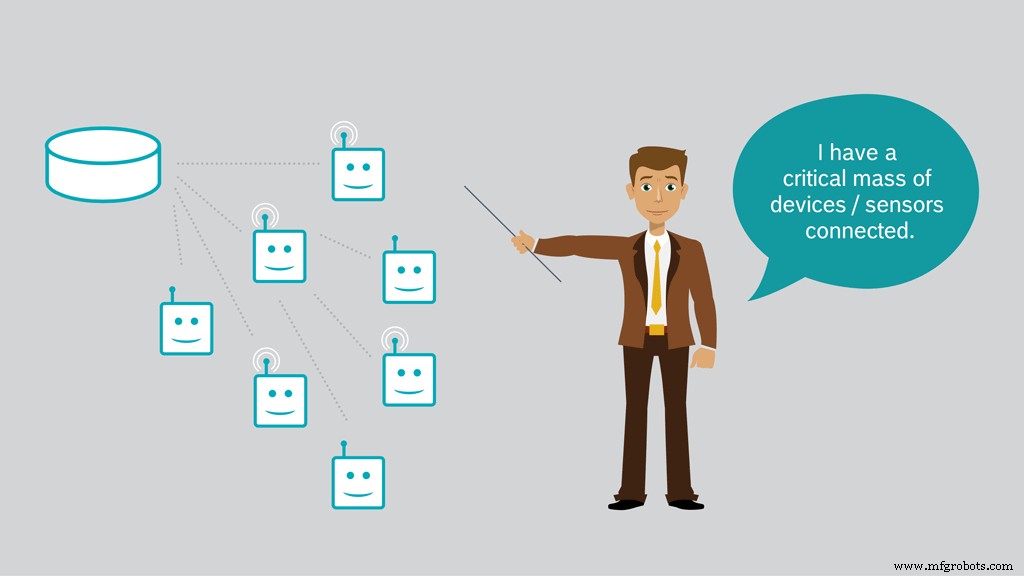
Today, everyday IoT devices generate more data than all social networks combined. Each device can transmit data multiple times per second, so a typical analytics platform may have to process billions of events daily.
Handling such volume is a substantial technical challenge, but raw device data—once stored in a pre‑processed format—is not directly actionable. Extracting value requires thorough analysis.
A key analytical goal in IoT is anomaly detection, which identifies device behavior that deviates sharply from historical patterns or expected norms.
Are Your Autonomous Lawn Mowers Running Smoothly?
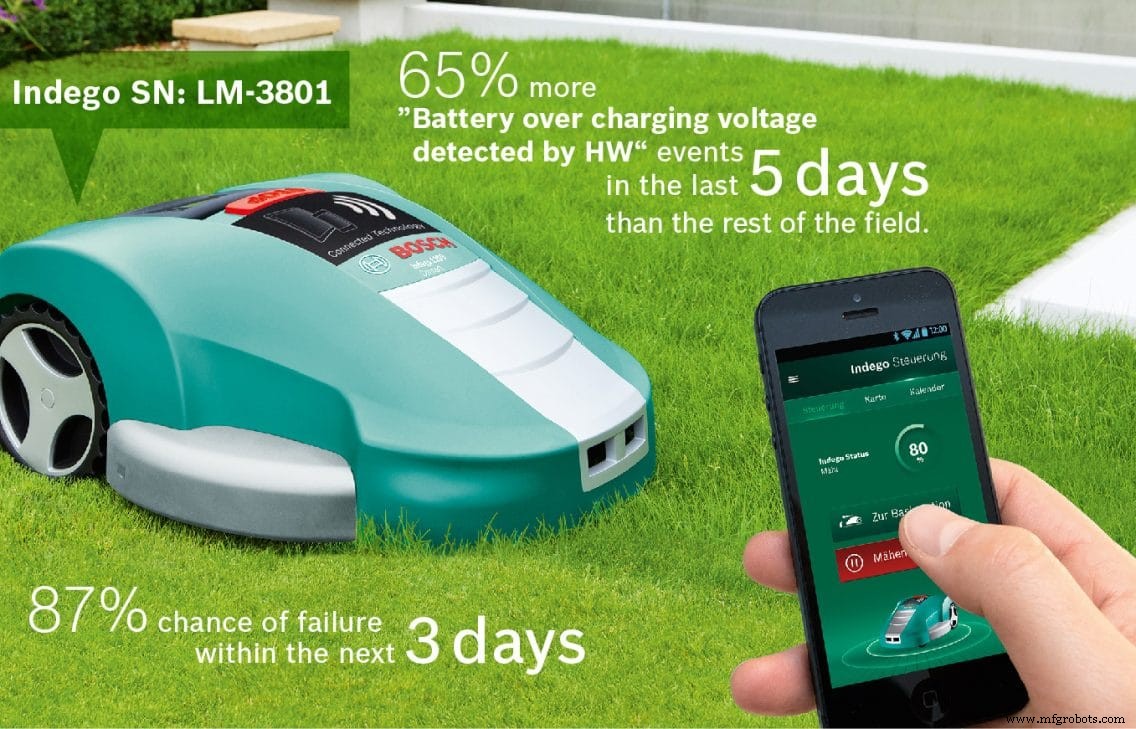
In one of our anomaly‑detection pilots, we monitored a fleet of autonomous lawn mowers (ALMs). Using Bosch IoT Analytics, we compute anomalies across the fleet each mowing season. The dataset includes status and error messages sent by the mowers to our cloud backend.
Configured to surface the top ten anomalies weekly, the service flags mowers that repeatedly appear on the list. Service personnel and quality managers can then review them manually. By aggregating anomaly patterns, we can classify incidents into actionable categories.
For example, recurring state and error patterns may signal that firmware updates are overdue or that mowers were misconfigured. By grouping these patterns, we can map each to a specific solution—automatically pushing firmware, or proactively contacting customers (with consent) to offer technician support—enhancing satisfaction.
How Do We Detect Anomalies in Device Data?
Data analysis, and anomaly detection in particular, encompasses a family of algorithms and transformations designed to uncover hidden insights. The types of anomalies and problem domains vary widely, requiring tailored approaches.
A typical data‑analysis workflow involves several distinct stages, from data ingestion to sophisticated machine‑learning models and insightful visualizations.
Step 1: Ingesting Device Data
After connecting devices, the data they generate must be transmitted over various channels and consistently stored in a database before it can be processed.
Step 2: Data Wrangling & Feature Engineering
Data preprocessing—often called data wrangling—addresses many challenges. It includes data cleansing, generation of domain‑specific features, and iterative exploration to enable downstream analysis.
Step 3: Anomaly Detection
This stage focuses on locating anomalies in the input data by selecting an appropriate data‑mining algorithm and fine‑tuning its parameters.
Step 4: Data Visualization
Finally, results must be visualized for end users. Selecting visual techniques that match the task and domain is essential for clear interpretation.
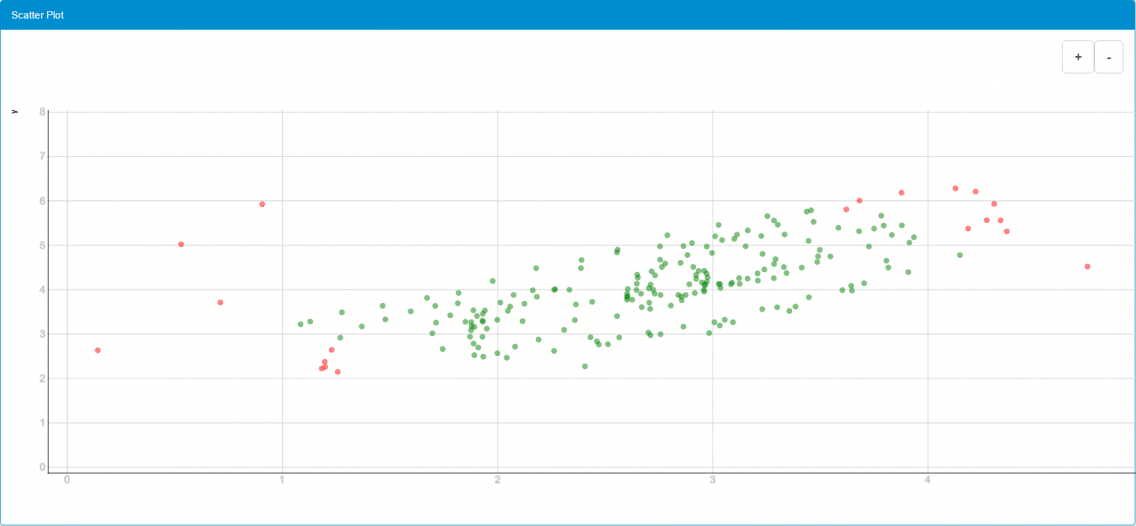
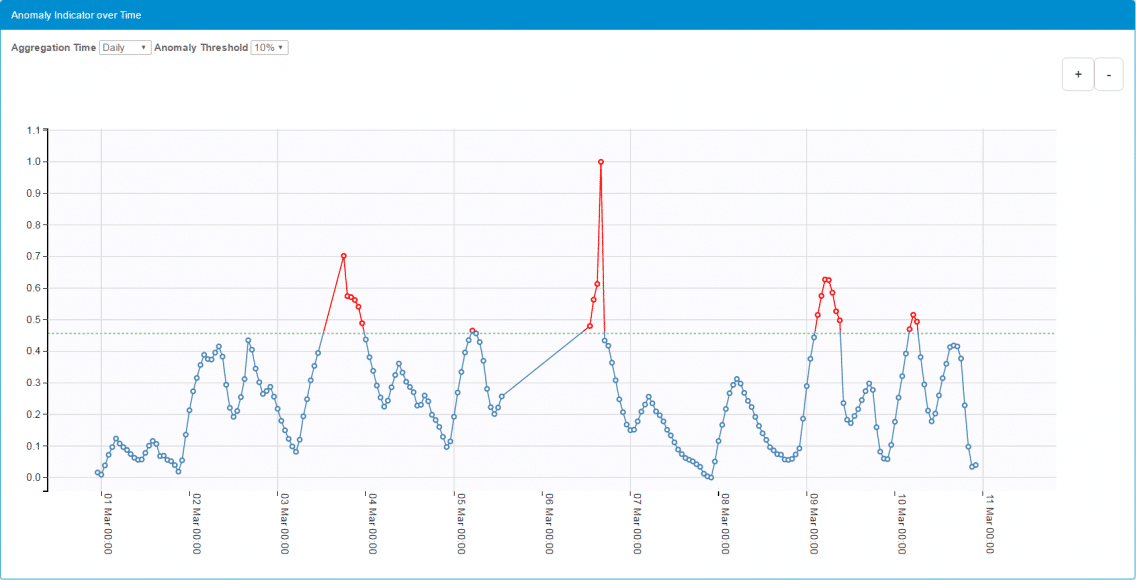
Identifying anomalies is the first stage toward advanced IoT analytics, such as predictive maintenance. Once anomalous devices are flagged, domain experts review and classify them, adding remediation details. Merging this knowledge with raw data yields a rich dataset for building predictive models.
Beyond flagging issues, anomaly insights can reveal new business opportunities. Systematic anomalies across devices may point to missing features or terrain‑specific challenges. For ALMs, repeated patterns in a subset of gardens might indicate the need for a terrain‑adaptive algorithm, which could be packaged as a premium feature.
Our recent white paper, Anomaly Detection with Event Data in the Internet of Things, outlines the challenges and best practices for each processing step, drawing on insights from multiple analytics projects.
Download white paper
Internet of Things Technology
- Harnessing Connected Product Data: How IoT Analytics Drive Innovation and Trust
- IXrouter: Seamless Edge‑to‑Cloud Connectivity for Industrial IoT
- Preparing Your Manufacturing Operations for AI with IoT
- How to Launch a Career in IoT Product Management: 5 Proven Steps
- Future Outlook: Advancing Industrial IoT for Production Excellence
- Emerging Trends in IoT Platforms for 2018: Edge Computing, Blockchain, and More
- Is Your Manufacturing Facility Ready for IoT? A Practical Guide
- Securing the Global IoT: Three Essential Steps
- Turning IoT Data into Business Value: A Practical Guide
- Top IoT Trends Driving Growth in 2019