



Evolving Embedded Systems: Tackling Modern Design Challenges
Prior to the IoT boom, embedded device design was relatively straightforward: a microcontroller handled input, performed basic processing, and drove outputs. Devices were isolated, and hacking incentives were minimal.
The rise of smartphones set a new benchmark—devices are now expected to be intelligent, upgradable, and Internet‑connected. Security can no longer be an afterthought; neglecting it jeopardizes data, brand reputation, and revenue.
This article examines the core design challenges faced by embedded engineers today and highlights emerging technologies that streamline secure, feature‑rich development.
Key design challenges and market expectations
- Rich user interfaces
Early smartphones introduced high‑quality touch displays, and today even high‑end embedded devices feature LCD, OLED, and capacitive touchscreens. These upgrades demand higher processing power, often necessitating an application processor and a full‑featured OS. For many low‑cost devices, however, the trend has been to boost microcontroller clock speeds into the several‑hundred‑MHz range and increase on‑chip memory to several megabytes—keeping the familiar Arm Cortex‑M architecture at the core.
In many industrial and consumer IoT products, the user interface is mainly for configuration or occasional control. Remote access via a web portal or smartphone app is preferred, enabling real‑time monitoring and predictive maintenance. Embedded engineers must therefore understand RF, protocol stacks, security, remote management, and OTA firmware updates.

Figure 1: Smart home controls (Source: Getty Images, ID 908590688, Elena Pejchinova)
- Local and remote control
Choosing the right connectivity is a balancing act. Low‑power protocols such as BLE, Z‑Wave, and Zigbee are ideal for battery‑operated door locks and environmental sensors. Higher‑bandwidth devices like security cameras and gateway nodes typically use Wi‑Fi, while truly remote deployments lean on cellular. A hybrid approach—BLE for commissioning and low‑latency local access, Wi‑Fi for wide‑area connectivity—offers a compelling compromise.
The real challenge lies in integrating the radio hardware, communication stacks, and power‑management logic without inflating cost or complexity.

Figure 2: Network of a city (Source: Getty Images, ID 811360940, Dong Wenjie)
- Low and lower power
Battery life is a critical metric. Smart water meters, for example, must run for up to 20 years on a single battery. Door locks, while still battery‑powered, may require yearly replacements. Designers achieve this by deploying ultra‑low‑power microcontrollers that wake briefly to sense user input, then return to deep sleep.
- Devices are becoming smarter
Differentiation now often comes from adding intelligence that adapts to users and environments. Machine learning (ML) enables devices to learn from sensor data and refine their behavior over time.
Common ML use‑cases include voice‑controlled smart thermostats that model user schedules, or vibration‑analysis sensors that predict motor failures. The hurdle for embedded developers is accessing ML models that fit within tight memory and compute budgets.
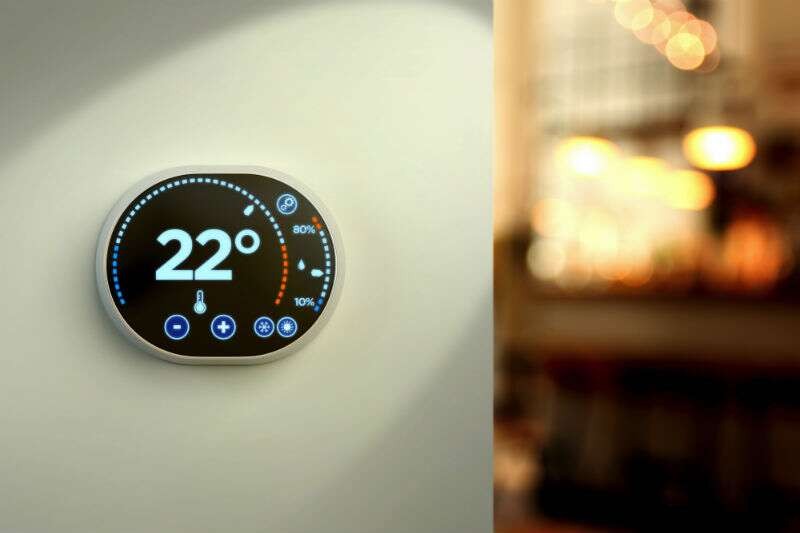
Figure 3: Smart home climate control system (Source: Getty Images, ID 474200292, MaxiPhoto)
- Products need to be updated
No embedded product ships fully complete. Over‑the‑air (OTA) firmware updates add features, fix bugs, and patch vulnerabilities, extending product lifespan. Engineers must provision ample flash and CPU headroom, and design secure, rollback‑protected update mechanisms.

Figure 4: Examples of embedded applications that may require OTA updates (Source: Image from Getty Images, ID 145676156, Earl Wilkerson. Icons: Arm)
New technologies to help designers address these challenges
Three core strategies—signal processing, security, and intelligence—provide a unified approach across all challenges.
How can I simplify signal processing and save cost?
Analog interfaces remain ubiquitous, from temperature sensors to multi‑mic audio streams. Historically, much filtering was done in the analog domain, but modern digital signal controllers (DSCs) combine a DSP core with MCU functions, delivering accuracy, repeatability, and post‑design flexibility.
Arm’s CMSIS‑DSP library offers free, optimized routines that abstract complex filtering, FFTs, and other DSP operations, allowing designers to focus on application logic rather than low‑level math.
Why should I care about security?
Inadequate security can lead to data loss, brand damage, and financial liability. Threats span communication, lifecycle, software, and physical vectors. Arm’s Platform Security Architecture (PSA) provides a three‑stage framework—assess, implement, verify—that guides developers toward the appropriate level of protection. Open‑source assets like Trusted Firmware‑M further accelerate secure boot and runtime protection.
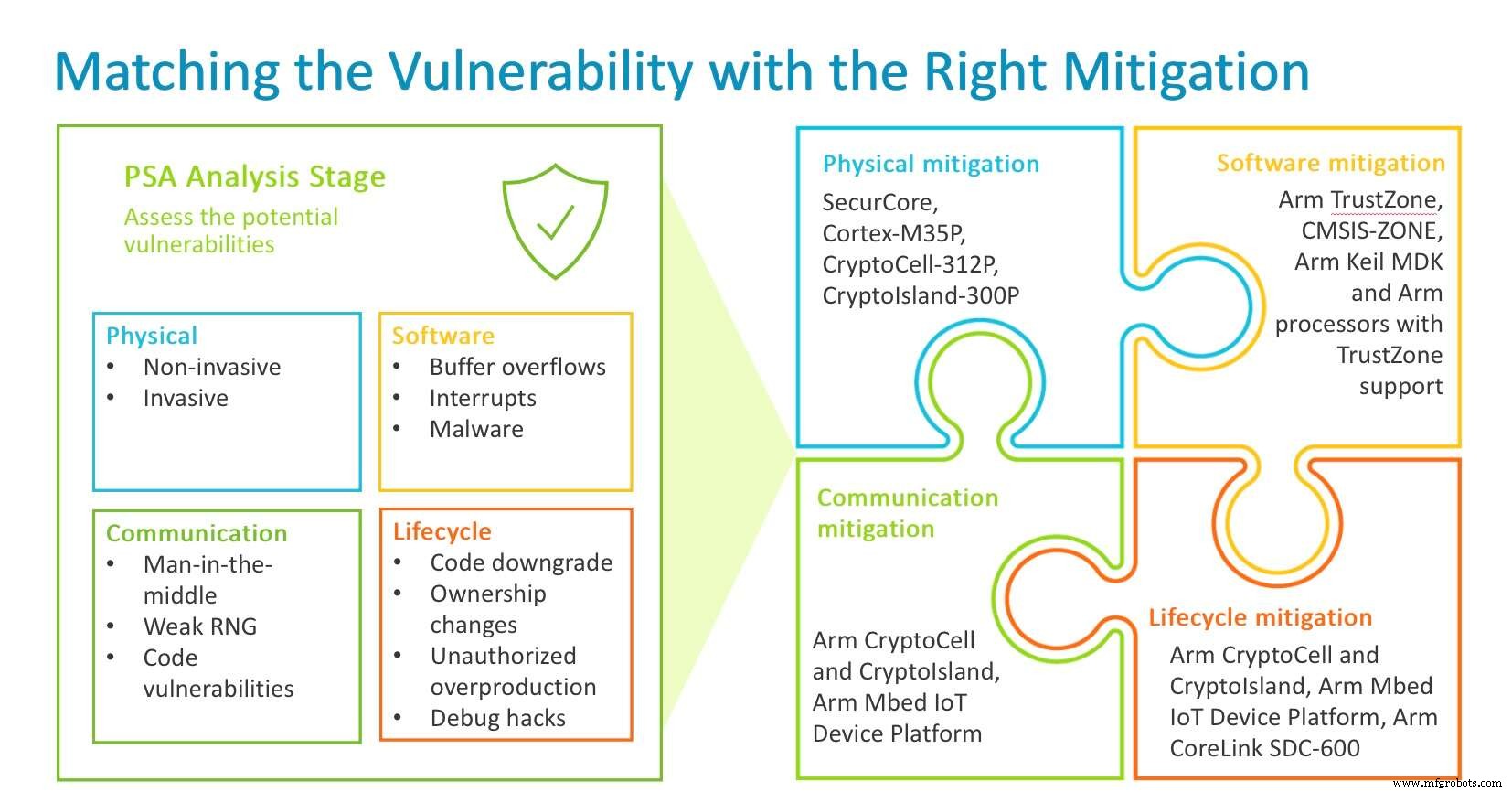
Figure 5: Arm technology available to mitigate against security vulnerabilities (Source: Arm)
How do I add smart features?
Machine‑learning models are typically trained in the cloud on diverse datasets. Once trained, inference can run on an embedded processor thanks to lightweight libraries like CMSIS‑NN, which optimizes neural‑network execution for Cortex‑M cores while keeping memory usage low.
New era – both new opportunities and new challenges
Embedded devices are undeniably more complex: demands for richer interfaces, tighter power budgets, advanced intelligence, and secure OTA updates are all rising. Fortunately, the ecosystem now offers IP, software, tools, and training that empower engineers to meet these demands without sacrificing quality or cost.
 Phil Burr is a director for the established portfolio of products within the Embedded Group at Arm. He leads a team responsible for Arm’s CPU portfolio, helping ensure that these processors enable new and existing partners to innovate. Phil also manages the Arm DesignStart program – a low‑cost, easy‑access route to Arm IP.
Internet of Things Technology
- Mastering Product Design: Proven Strategies to Overcome Common Challenges
- Embedded System Design: Steps, Principles, and Real‑World Applications
- Overcoming 4 Key IoT Challenges: Power, Connectivity, Hardware, and Integration
- Overcoming Design Challenges in Precision DC Energy Metering
- How Modern MCAD & ECAD Transform Design: From Legacy Hurdles to Cloud Collaboration
- Top 4 Challenges Facing the Industrial Internet of Things (IIoT)
- 5 Key Challenges Facing the Internet of Things Today
- The Five Core Challenges of IoT: A Deep Dive into the 5 Cs – Part 1
- Software Testing for IoT Devices: Key Challenges & Solutions
- How 3D Printing Revolutionized Manufacturing: A Journey Through Its Evolution