



Wearable Tech Insights: Sensors That Keep You Safe
Sophisticated sensors do exist – the kind that can tell you that you’re getting a sunburn, that your heartrate is a bit too high, or even that you have the symptoms associated with COVID-19.
But are you willing to put them on your body? To walk around the house with a sensor glued on your arm? Would you place a sensor in your mouth?
In this episode of our Here's an Idea podcast series, we speak to researchers who are building a variety of wearables. And some sensors blend in more than others.
We talk to engineers who are making full-body health trackers; UV monitors for those hot days at the beach; and a 3D-printed sensor that stays on tight.
Subscribe or listen via your preferred podcast provider here.
Episode Highlights:
- (1:19) Hananeh Esmailbeigi from the University of Illinois has developed an assistive mouth sensor – a retainer that enables wireless interaction and control of a cursor, with the flick of the tongue.
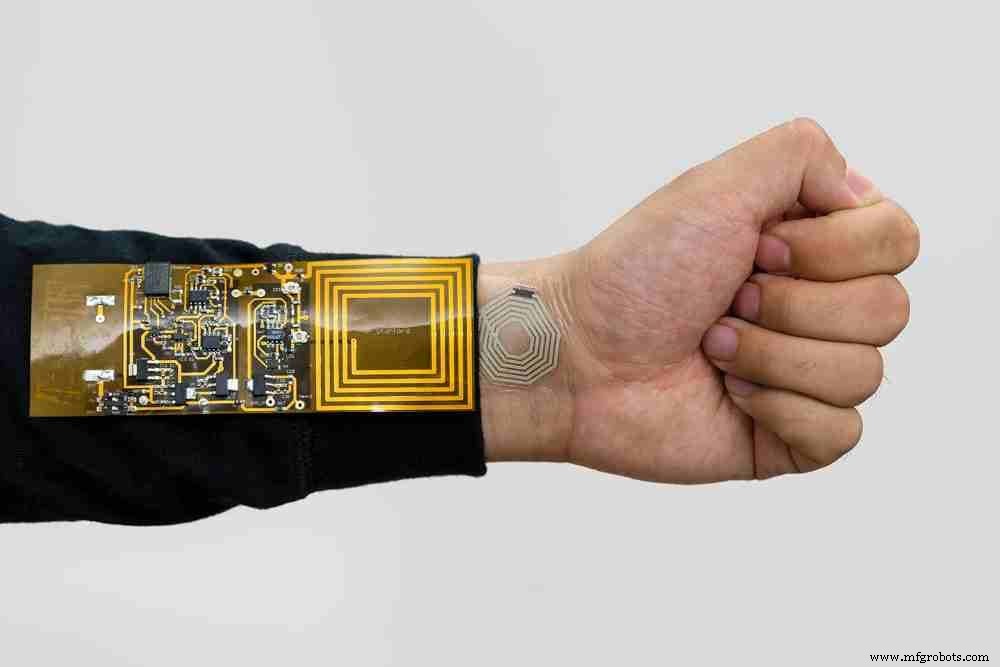
- (5:19) Yasser Khan from Stanford University built a set of skinlike sensors – a “BodyNet” – that can give us a better idea of our health.
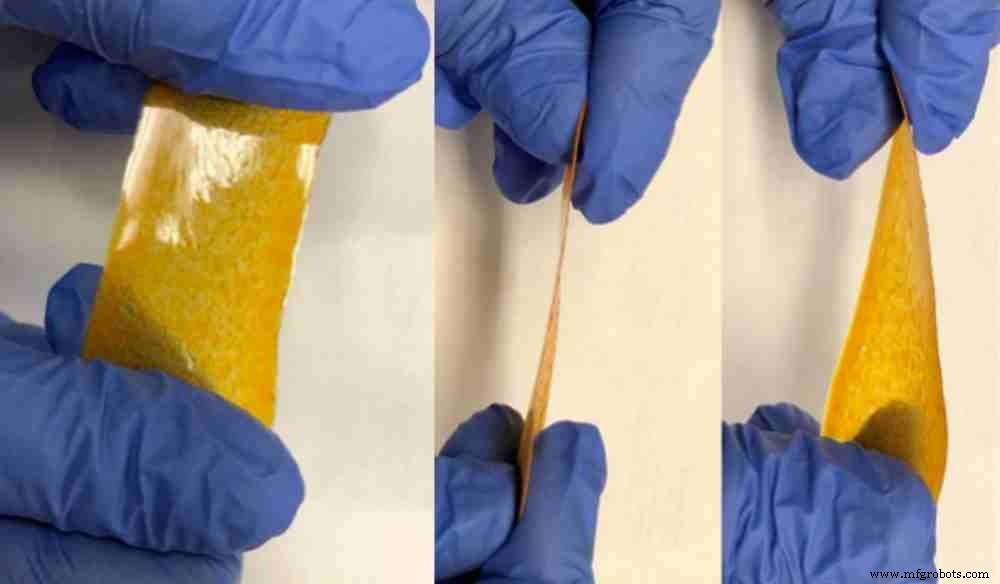
- (11:51) Abraham Finny from Clarkson University made a low-cost patch that changes color when you’ve been overexposed to UV radiation.
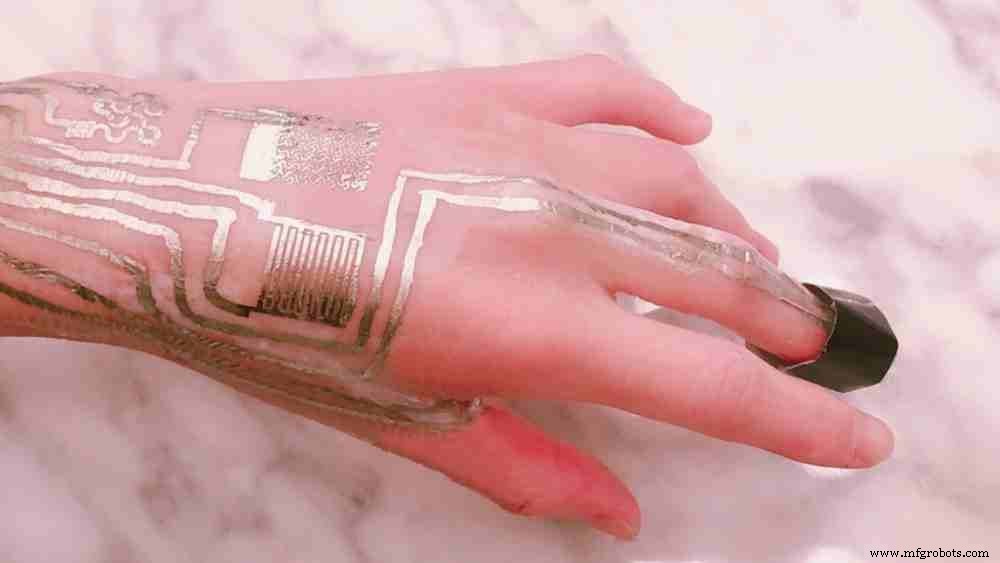
- (15:42) Larry Cheng from Penn State has a way to 3D-print a sensor directly on the skin.
See What's Going On in the University of Illinois Wearables Lab
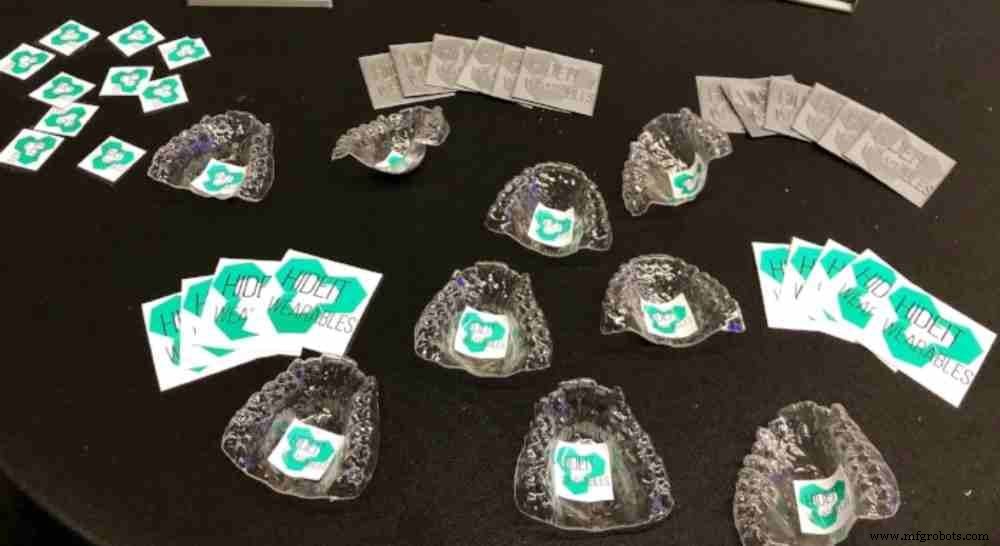
Would You Wear These Wearables?
BodyNet: Stanford University
A Sensor That Prints Directly On Your Skin: Penn State
A Sunburn Sensor: Clarkson University
Subscribe to the Here's an Idea newsletter.
Sensor
- In‑Display Fingerprint Sensor: Evolution, Technology, and Benefits
- DS18B20 Temperature Sensor – Precise 1‑Wire Digital Thermometer for Industrial & Consumer Use
- Understanding the Oxygen (O2) Sensor: Role, Placement, and Failure Signs
- Oura Ring’s AI Helps NBA Players Detect COVID-19 Days Early
- Advanced Sensors Empower Wearable Health Tech: From Heart Rate to Temperature Accuracy
- Revolutionizing Textiles: The Future of Smart Fabrics
- Brain‑Computer Interfaces: Reconnecting Thought to Action
- Innovations in Hearing Aids: From DIY to Brain‑Responsive Tech
- Hospital Robots: Revolutionizing Patient Care and Staff Safety
- Discover RepelWrap: Advanced Waterproof & Antimicrobial Plastic Film