



Key Automotive Sensors: How Modern Cars Use Advanced Technology
Today’s vehicles integrate a sophisticated network of sensors that continuously monitor engine performance, vehicle dynamics, and safety systems. These components diagnose potential problems—such as needed maintenance or service alerts—allowing drivers and technicians to keep the car operating safely and efficiently. While most owners may not know the exact number of sensors in their vehicle, the data they generate drives comfort, fuel economy, and safety upgrades.
Types of Sensors Used in Modern Automobiles
Automotive sensors are engineered to measure variables like oil pressure, temperature, emissions, and coolant levels. Understanding how each sensor functions is essential for diagnostics and performance tuning. Below are the most common sensors found in today’s cars:
- Mass Airflow Sensor (MAF)
- Engine Speed Sensor (Crankshaft)
- Oxygen Sensor (O₂)
- Spark Knock Sensor
- Coolant Temperature Sensor
- Manifold Absolute Pressure (MAP) Sensor
- Fuel Temperature Sensor
- Voltage Sensor
- Camshaft Position Sensor
- Throttle Position Sensor (TPS)
- Vehicle Speed Sensor (VSS)
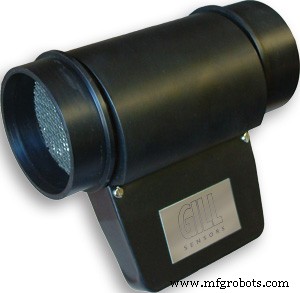
Mass Air Flow (MAF) Sensor
The MAF sensor is a cornerstone of the engine control unit (ECU). It measures the exact amount of air entering the combustion chamber, allowing the ECU to calculate the optimal air‑fuel mixture. A malfunctioning MAF can cause rough idle, reduced power, and increased fuel consumption. MAF sensors come in two main variants: vane‑type and hot‑wire.
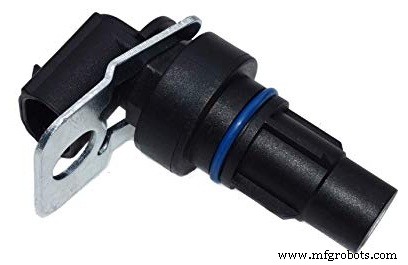
Engine Speed Sensor (Crankshaft)
Mounted on the crankshaft, this sensor tracks rotational speed and timing. Its data ensures precise fuel injection and ignition timing, preventing stalling and protecting the engine from damage. A faulty engine speed sensor can trigger limp‑mode or sudden loss of power.
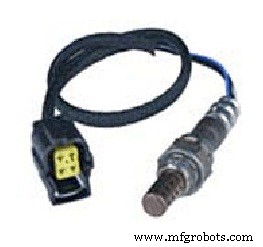
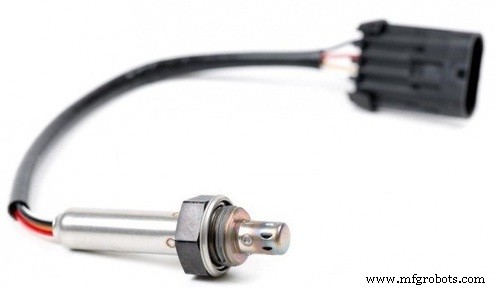
Oxygen (O₂) Sensor
Positioned in the exhaust stream, the O₂ sensor measures the oxygen content of exhaust gases. By comparing this data with ambient air, the ECU adjusts the fuel metering to maintain an optimal air‑fuel ratio, which is critical for performance and emissions control.
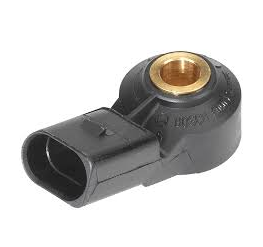
Spark Knock Sensor
This sensor detects abnormal combustion (knocking) caused by high compression or incorrect timing. Early detection prevents damage to pistons, rings, and the head gasket, saving costly repairs.
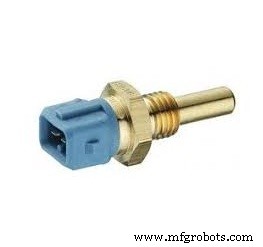
Coolant Temperature Sensor
Critical for engine thermal management, this sensor informs the ECU when to engage or disengage components such as the EGR valve, fuel evaporation system, and ignition timing. A faulty sensor can lead to overheating, reduced fuel economy, or stalling.
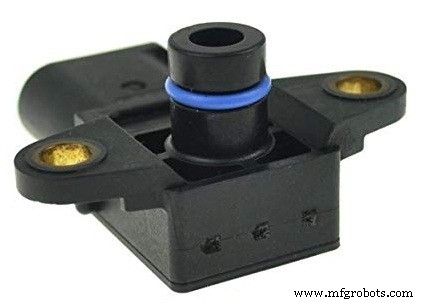
Manifold Absolute Pressure (MAP) Sensor
The MAP sensor measures the pressure inside the intake manifold, enabling the ECU to gauge engine load and adjust fuel delivery accordingly. It is essential for precise fuel‑air mixture control, especially at varying altitudes and temperatures.
Fuel Temperature Sensor
By monitoring the temperature of the fuel, this sensor ensures optimal combustion efficiency. Cold fuel can increase viscosity, hindering atomization, while excessively warm fuel can lead to vapor lock.
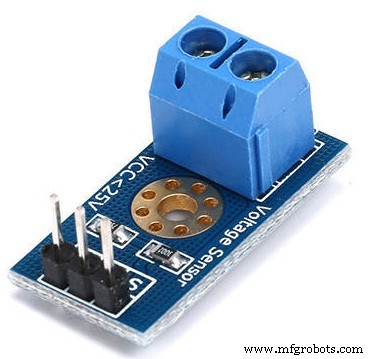
Voltage Sensor
This sensor monitors the battery and alternator output, ensuring that the electrical system remains within safe operating limits. It supports functions such as engine control, lighting, and infotainment systems.
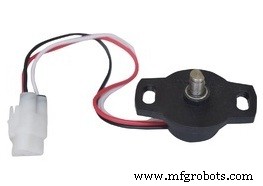
Throttle Position Sensor (TPS)
The TPS provides real‑time data on the throttle’s opening angle, enabling the ECU to adjust fuel delivery and ignition timing for smooth acceleration. Symptoms of a faulty TPS include sluggish throttle response or hesitation.
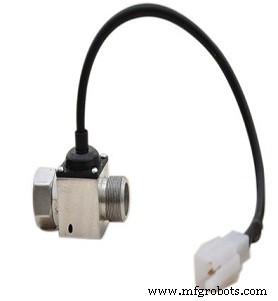
Vehicle Speed Sensor (VSS)
The VSS measures wheel rotation to determine vehicle speed. Its data is used by the ABS, traction control, transmission shift logic, and odometer. A malfunctioning VSS can trigger warning lights or disrupt gear shifting.
These sensors form a smart network that controls everything from coolant temperature to engine load, enabling modern vehicles to deliver peak performance while keeping drivers safe. Wondering how parking sensors fit into this ecosystem? Stay tuned for our next deep dive into in‑vehicle sensor technologies.
Sensor
- Inductive Sensors: How They Work and Key Industrial Applications
- Understanding Level Sensors: Types, Functions, and Industry Applications
- Comprehensive Guide to Flange Types, Standards, and Materials in Piping Systems
- Understanding Casting Patterns: Types, Materials, and Their Impact on Quality
- Comprehensive Guide to Milling Cutters: Types & Applications
- Choosing the Right Loader: A Comprehensive Guide to Construction Loaders
- Exploring the Varieties of CNC Milling Operations
- Explore the Essential Types of Forging Tools & Equipment for Superior Metalwork
- Essential Arc Welding Equipment: Types, Functions, and Applications
- Choosing the Right Hammer: Types for Woodworking, Metalworking, and Beyond