



Thermoset Composite Properties: A Game Changer for HVAC Systems
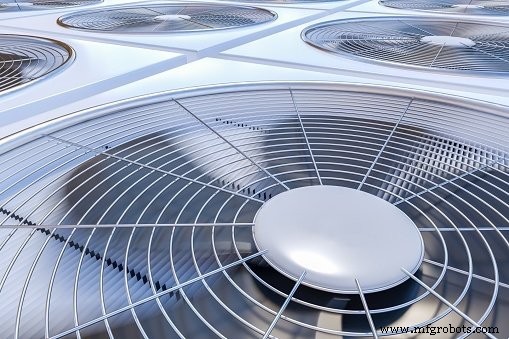
As a director, forging robust vendor relationships is essential to shared success. Recognizing where vendors can add untapped value—especially through advanced materials—can transform your operations. Below, we explore how thermoset composites and their distinct properties are reshaping the HVAC landscape.
Thermoset composites span commercial, industrial, and residential sectors, and HVAC has emerged as a high‑growth arena for these materials. Historically, metal housings dominated the industry, but metals introduced several drawbacks over time:
- Rust
- Corrosion
- Sun damage
- Noise
- Mold and debris contamination
Thermoset composites counter each of these issues while delivering a lower total cost of ownership. But what precisely are the key properties that enable this transformation?
Thermoset Composite Properties
Thermoset composites are a family of formulations, each engineered for specific performance goals. At Mar‑Bal, we tailor custom blends to meet unique project needs—such as heightened heat or corrosion resistance for external HVAC housings. Commonly employed properties in HVAC include:
- High heat resistance / Low thermal conductivity – These materials maintain stability under high and fluctuating temperatures, while their excellent insulation reduces heat transfer, ideal for HVAC housings.
- Durability – The rigid, cross‑linked molecular structure, inert chemistry, and resistance to UV and chemical attack make composites long‑lasting with minimal maintenance, especially in weather‑exposed applications.
- UV stability – Formulations can be engineered for superior color fastness and resistance to UV degradation, eliminating the discoloration problems common in metal units.
- Corrosion resistance – Absence of metal eliminates galvanic corrosion, extending the service life of units exposed to harsh environmental conditions.
- Coloration options – Composites can be produced in a broad palette with consistent, abrasion‑resistant color, maintaining vibrancy longer than painted or coated metal—an attractive feature for residential builders seeking value enhancement.
These attributes explain why thermoset composites are outperforming metal counterparts in HVAC applications. For a deeper dive, download our comprehensive guide, How Thermoset Composites Work in the HVAC Industry.

Composite material
- Arithmetic Properties: Associative, Commutative & Distributive Explained
- What Is a Thermoset? Understanding the Chemistry and Benefits of Cross‑Linked Polymers
- Expert Thermoset Composite Tooling: Design, Durability, and Precision
- Why Thermoset Composites Are the Ideal Choice for Modern Manufacturing
- Thermoset Composites: Enhancing Durability, Efficiency, and Safety in HVAC Systems
- Why Thermoset Composites Are the Smart Choice for High‑Performance Applications
- Thermoset Composites Are Not Dead: Their Enduring Value in Modern Engineering
- Top 3 Engineering Uses of Thermoset Composites
- Mastering C# Properties: A Complete Guide
- Molybdenum-Hafnium-Carbon (MHC): High‑Temperature, Particle‑Reinforced Alloy