



Plastic Additives: Types, Functions, and Industry‑Leading Solutions
What Are Plastic Additives?
Plastic additives are carefully selected inorganic or organic compounds—either naturally derived or synthetically produced—that are blended with base polymers to modify or enhance their intrinsic properties. By adjusting the blend ratio, manufacturers create a masterbatch that, after processing (casting, compression molding, extrusion, etc.), yields a final product with precisely tailored performance characteristics.
Pure polymers often lack the toughness, durability, or surface finish required for commercial applications. Additives impart essential qualities such as increased impact resistance, improved gloss, better heat stability, and cost‑effective weight reduction. Consequently, over 90 % of global plastic goods contain one or more additives to meet end‑user demands and regulatory standards.
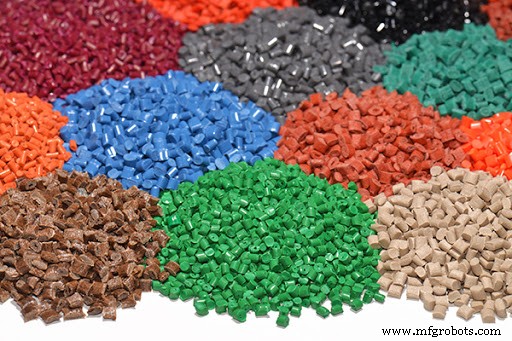
Common Plastic Additives in Use Today
Anti‑Stick (Anti‑Block) Agents
Adhesion between polymer films can hinder processing and compromise product quality. Anti‑stick additives create a micro‑roughened surface that reduces film‑to‑film attraction, improving handling and preventing block‑up during extrusion or blowing.
Typical components include synthetic silica (SiO₂), zeolites, or natural silicas such as diatomaceous earth, talc, or quartz. Synthetic materials offer a non‑crystalline finish, eliminating chalk‑dust formation that can plague natural silicas unless pre‑treated. Regulatory compliance confirms these additives pose no risk to end users, including food‑contact applications.
Selection Criteria
- Particle size—controls surface roughness and flow.
- Surface morphology—affects friction and adhesion.
- Specific gravity and density—impact final product weight and appearance.
Typical Types
- Diatomaceous earth
- Talc
- Calcium carbonate (CaCO₃)
- Synthetic silica & silicates
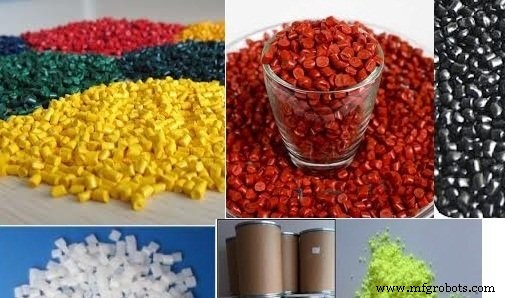
Clarity (Clarifier) Additives
Fillers and recycled content can scatter light, reducing transparency. Clarifiers restore gloss and reduce manufacturing costs by enabling lower cycle times and energy consumption. At low loadings, they do not impair welding, bonding, or ink adhesion.
Fillers and Masterbatches
Calcium carbonate‑based masterbatches (e.g., Taical) are mixed with virgin resin, then processed through extrusion or injection molding. They lower material cost and can improve mechanical properties, making them indispensable in packaging, construction, and automotive components.
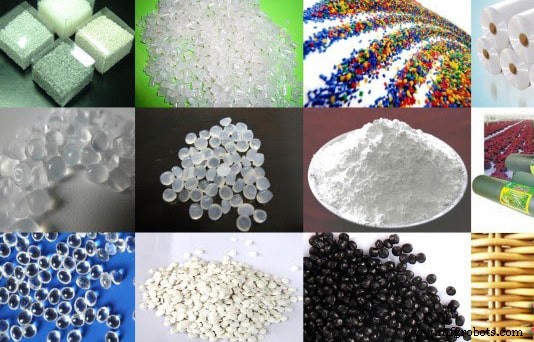
PP Stiffening Additives
Polypropylene (PP) products often suffer from warping due to uneven cooling. Stiffeners accelerate solidification, yielding defect‑free, dimensionally stable parts and reducing cycle times.
UV‑Stabilizers (Anti‑UV Additives)
UV radiation initiates free‑radical chain scission, leading to chalking and discoloration. Hindered Amine Light Stabilizers (HALS) neutralize radicals without absorbing UV, preserving mechanical integrity. Even minimal HALS loadings provide substantial protection, a fact confirmed by ASTM D1003 testing.
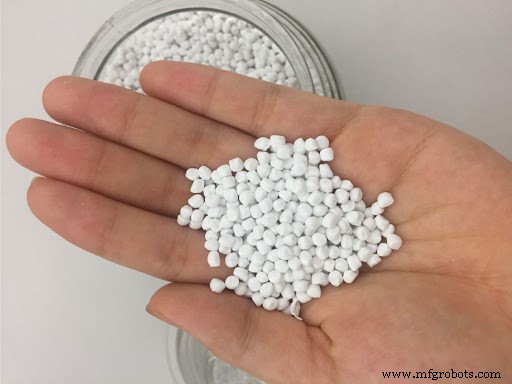
Anti‑Static Additives
During processing, static charge accumulation attracts dust, reducing surface clarity. Anti‑static agents—both non‑durable (organic salts, PEG) and durable (PHPA, copolymers)—lower surface charge, improve handling, and reduce static‑induced dust deposition.
Anti‑Block/Anti‑Clumping Agents
Strong electrostatic forces can cause films to adhere and stick. Anti‑clumping additives, typically inorganic silicas, talc, CaCO₃, or organic lubricants (e.g., stearyl erucamide), roughen the surface and dissipate charge, ensuring easy separation.
Fire‑Retardant Additives
To mitigate the high flammability of many polymers, flame‑retardants form a protective intumescent layer or quench radicals in the gas phase. Common classes include:
- Halogenated systems (e.g., brominated flame retardants)
- Inorganic options: aluminum hydroxide, magnesium hydroxide, red phosphorus, expanded graphite
- Organic compounds: DOPO derivatives, ammonium polyphosphate, melamine‑based additives
Anti‑Dew (Anti‑Fog) Additives
Fogging—condensation of water vapor—damages product appearance, especially in refrigerated food packaging. Anti‑fog agents, such as PLA‑based coatings or Lanxess AF DP1‑1701, create hydrophilic surfaces that disperse moisture into fine droplets, preventing visible condensation.
Optical Bleaching Additives
Optical bleaches absorb deep UV and re‑emit visible light, dramatically enhancing brightness and whiteness while reducing color shift. Widely used additives include OB‑1, KCB, KSB, FP‑127, DBH, KSN, and KB, each offering high fluorescence, heat resistance, and compatibility across PET, PVC, ABS, and polystyrene.
Biodegradation‑Support Additives
Traditional plastics can persist for centuries. Biodegradation‑support additives—such as Reverte—introduce oxygen‑cleaving functionalities that gradually break polymer chains under environmental exposure (light, heat, microbes). This accelerates conversion to CO₂, H₂O, or biomass, aligning with circular‑economy goals.
See more on additive innovation and regulatory trends in the Plastics News portal.
Dye
- Stainless Steel Tubes: Key Applications Across Industries
- Top 15 Plastic Additives: Enhancing Performance, Safety, and Sustainability in the Industry
- Industrial Pigments Explained: Types, Applications, and the Most Popular Choices Today
- Common CNC Machine Malfunctions and How to Prevent Them
- Top Industries Leveraging Plastic Injection Molding: Key Applications & Benefits
- Top Industrial Machining Processes Every Manufacturer Should Know
- Key Factors Leading to Hydraulic Hose Failure and Prevention Strategies
- Top Applications of Alternating Current (AC) in Modern Power Systems
- Top CNC Machine Types: A Comprehensive Overview
- Top Causes of Hydraulic System Failures and How to Prevent Them