



SAT‑AM: Clean Sky 2 Initiative Replaces Metal Nacelles with Composite Materials for Affordable Small Aircraft
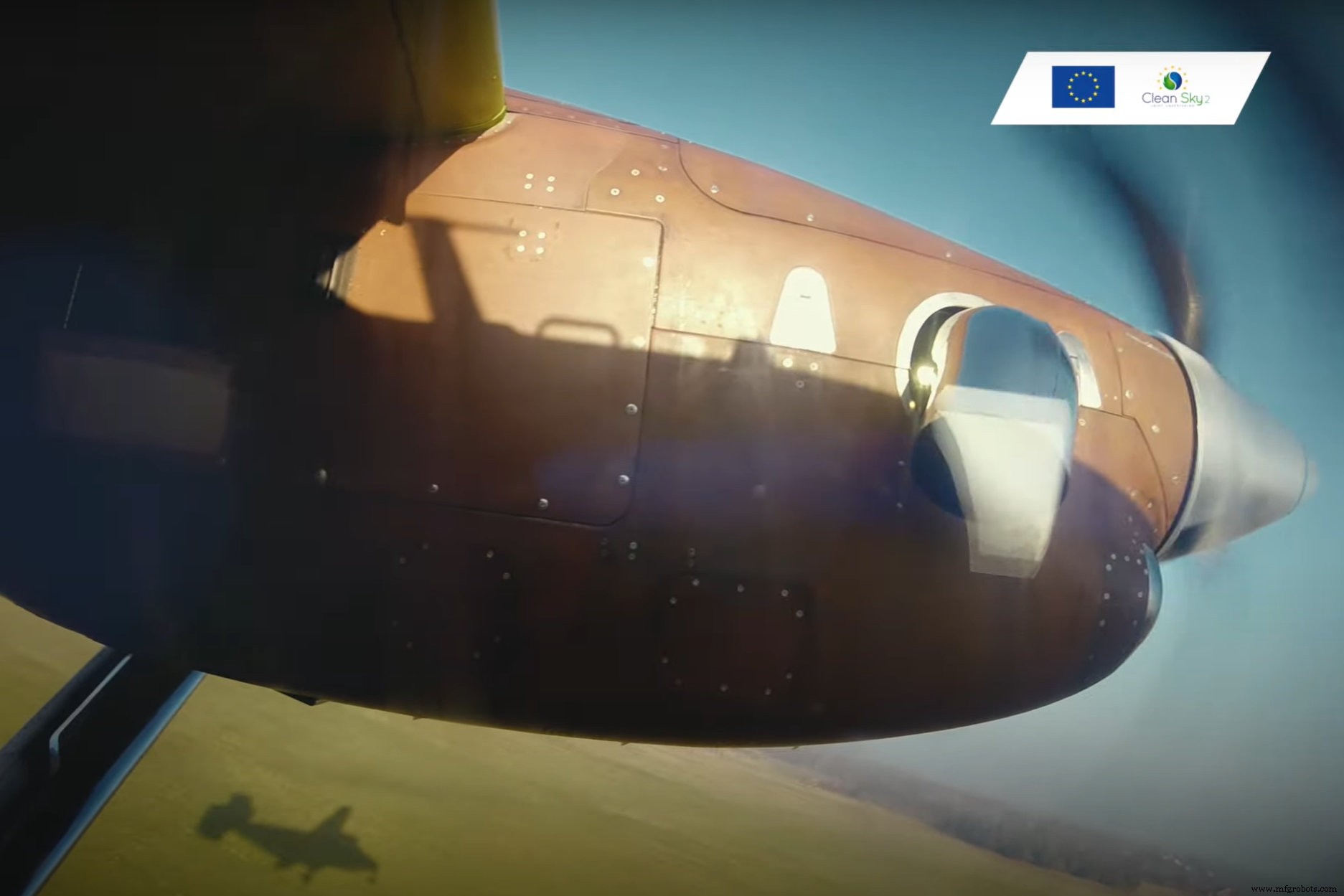
SAT-AM (More Affordable Small Aircraft Manufacturing) is a five-year project implemented under the Clean Sky 2 program financed by the European Commission. Entering its final stage of implementation, the project aims for a new step in the production of structures for aircraft in the 4-19 seat category.
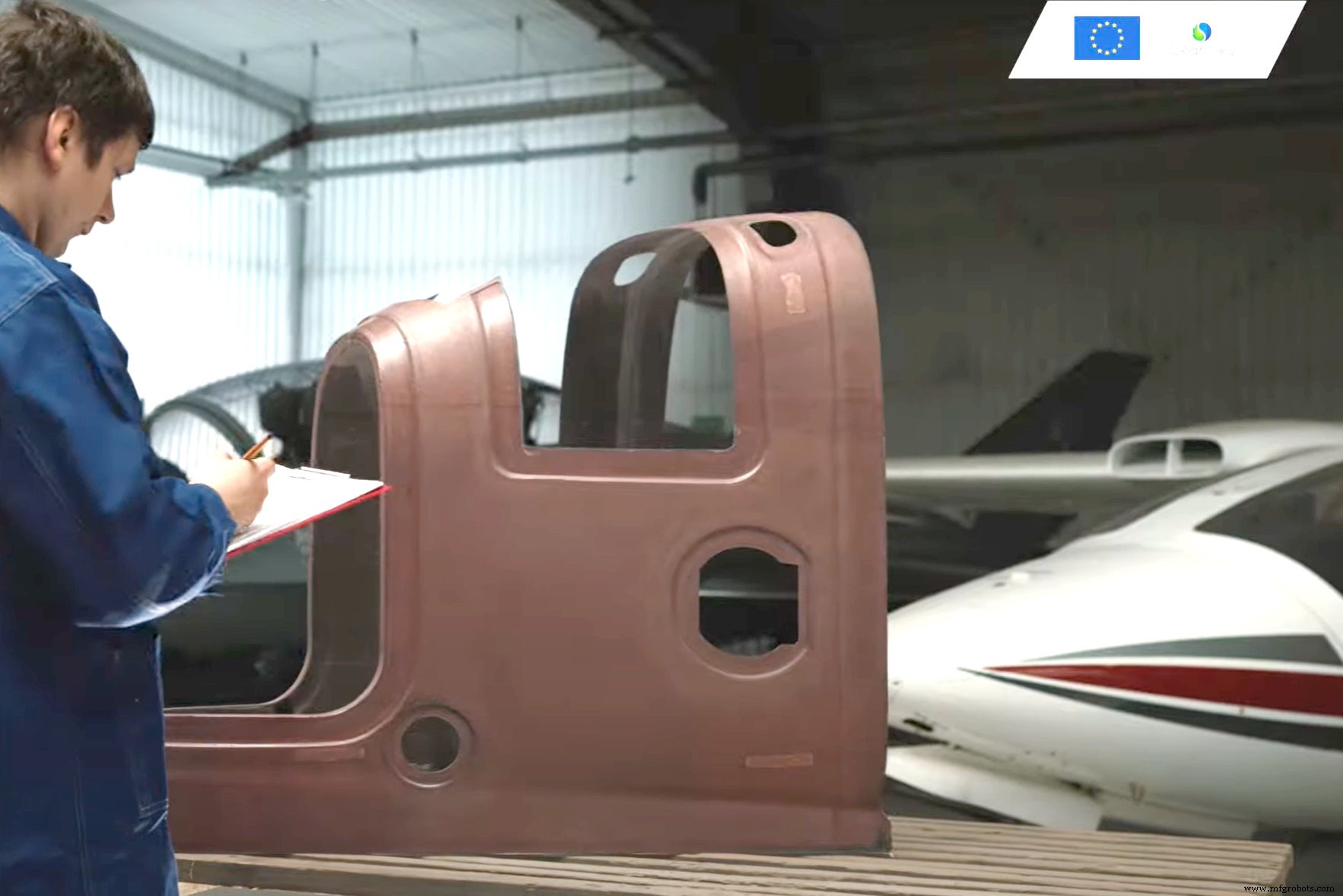
The work in SAT-AM has been carried out by the consortium including project coordinator, Łukasiewicz – Institute of Aviation (Warsaw, Poland), together with project consortium members: Polskie Zakłady Lotnicze Sp. z o. o., Eurotech, Szel-Tech, P.W. Metrol, Ultratech, Zakłady Lotnicze Margański & Mysłowski and Centro Italiano Ricerche Aerospaziali (CIRA). Recently presented results include the development of a cabin demonstrator and a composite engine nacelle for the M28 aircraft manufactured by PZL Mielec (Mielec, Poland). The composite nacelle has potential to replace the metal structure in future production.
The composite nacelle, manufactured using Hexcel’s (Stamford, Conn., U.S.) out-of-autoclave (OOA) technology, reduced component weight by at least 10%, reduced the number of elements by more than 35%, resulted in a more uniform structure and reached TRL 6.
A summary of the work related to the implementation of the composite nacelle demonstrator is presented in the video below.
Small air transport
The SAT-AM project is part of the activities for the promotion and development of Small Air Transport (SAT). The European vision presented in the Flightpath 2050 study assumes a renaissance of flights from smaller, regional airports. The goal is to complete the journey door-to-door within four hours.
For the idea of SATto become more widely accepted, it is necessary to develop innovative design processes and production technologies for smaller aircraft. The goal is to increase the flight safety of an aircraft while reducing manufacturing costs.
It will also be important to develop breakthrough technologies that will significantly improve the environmental performance of aircraft. There are four specific targets: reducing fuel consumption, lowering CO2 emissions, reducing external noise levels up to 50% and reducing NOx emissions up to 80% by year 2020, compared to year 2000 levels.
fiber
- Revolutionize Assembly Fixtures with Markforged Composite 3D Printing
- Metal 3D Printing: Revolutionizing Production with Speed, Cost Savings, and Design Freedom
- Clean Sky 2 FRAMES Project Enhances Thermoplastic Composite Heating Simulations for Automated Fiber Placement with Xenon Flashlamp
- Clean Sky 2 Publishes 30 New Project Findings Advancing Sustainable Aviation
- IMCOLOR: Pioneering Integrated Manufacturing for Lightweight, Eco‑Friendly Aerospace Components
- Setforge & 9T Labs Partner to Replace Metal Parts with Carbon Fiber Composites
- Porsche Accelerates into the Future: Electric Motors & Natural Fiber Composites Power the Mission R
- 8 Metal Manufacturing Myths Unveiled: The Truth Behind the Industry
- Exploring Metal Additive Manufacturing: A Beginner’s Guide to Direct Metal Laser Sintering (DMLS)
- Lean Manufacturing: Maximize Output, Minimize Waste