



IMCOLOR: Pioneering Integrated Manufacturing for Lightweight, Eco‑Friendly Aerospace Components
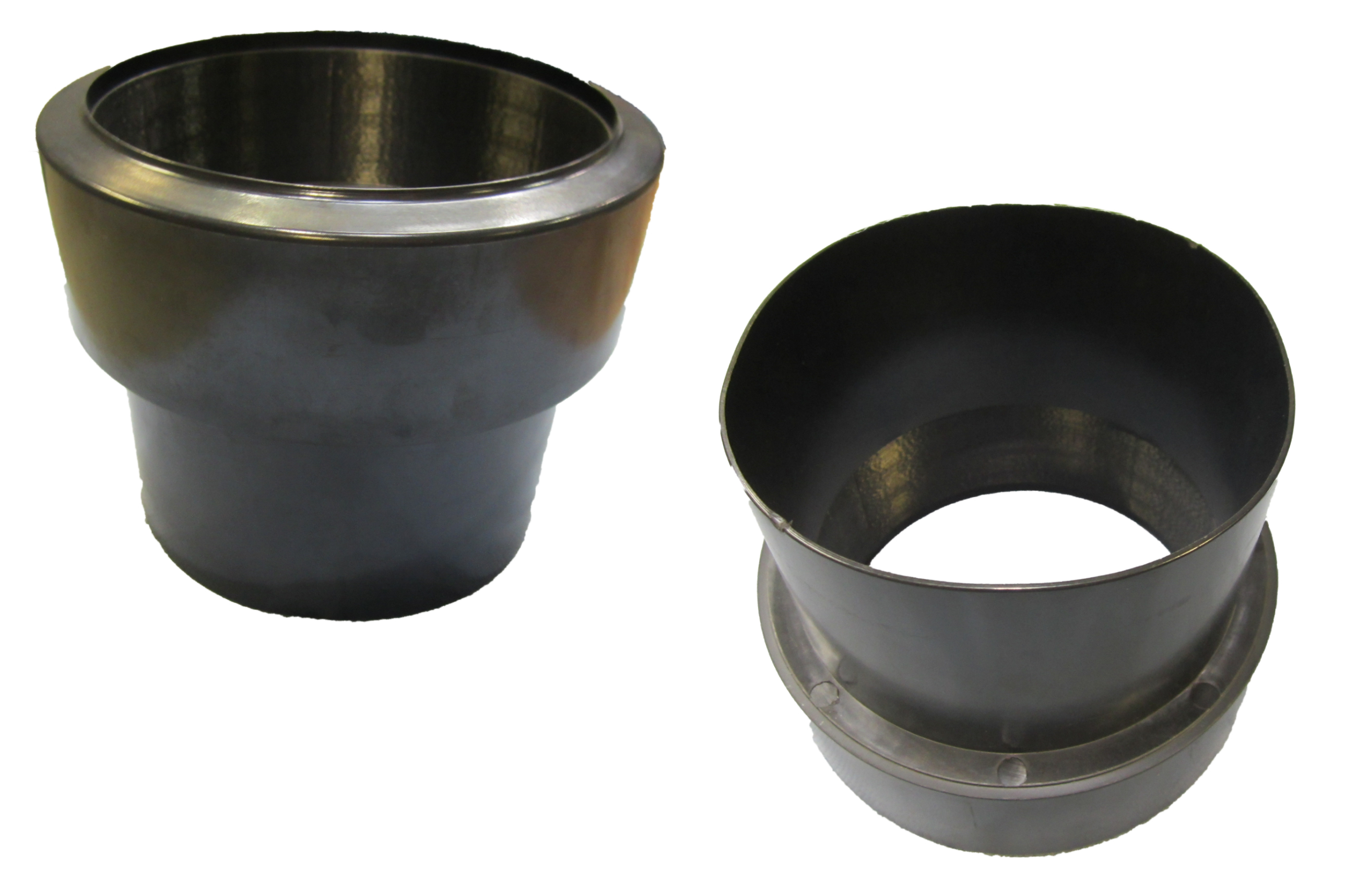
A recent Clean Sky 2 project, IMCOLOR, was reported to have developed a new manufacturing process that combined a multi-shot injection molding process with the integration of continuous carbon fiber reinforcements. Together, with the use of an expendable salt core material (which could withstand injection loads), a lightweight, eco-friendly air cycle machine part was produced.
According to involved partners, the synergy formed between injection molding and thermoplastic automated fiber placements with in-situ consolidation (TP-AFPisc) will power future designs that are lightweight, yet perform at a high mechanical level, with automated, easy-to-reproduce production techniques. The TP-AFPisc is said to be different from current state-of-the-art procedures, where composite structures are typically built within process chains. Further, partners note that the fiber architecture is precisely adapted to the user’s needs by engaging TP-AFPisc manufactured inserts, the effort in trimming composite parts is minimized and scrap is reduced.
According to Clean Sky, several additional benefits arise from this new procedure. For example, no hexavalent chromium ion (Cr6+) treatments — the most toxic form of chromium, that has negative environmental effects — are necessary in the manufacturing process. Further, with the integration of thermoplastic materials, parts produced from this process will increase efficiency, decrease fuel and emissions, be recyclable, and retain environmentally-friendly process auxiliaries.
Some of the challenges faced by the IMCOLOR project included finding a suitable cavity design and injection parameters for encapsulating carbon fiber-reinforced polymer (CFRP) inserts into the injection molding polymer. According to project partners, it was also difficult to find a suitable material combination to facilitate good binding between the CFRP inserts and polymers. CFRP inserts also had to be fixed correctly during the high-pressure injections, so that no deformation or misalignment occurred.
One unexpected finding was out-of-plane wrinkling defects on 23 plies inserts (3 millimeter thickness) on the model part. Partners believe this was probably due to the play fit between the mold core and the insert. However, this effect did not occur for the 70 plies inserts (10 millimeter thickness) of the demonstrator part.
Next steps for the topic manager will be further investigation of the new material combination and assessment of the new process in-house. The consortium will also investigate the potential of salt cores for composite production and metal casting processes, both in-house and in follow-up projects.
Partners involved in this project included Liebherr Aerospace Toulouse SAS (Haute-Garonne, France), the Technische Universitaet Muenchen (TUM, Germany), ThermoPlastic composites Research Center (TPRC, Enschede, Netherlands), Apppex GmbH (Munich, Germany) and Fischer Advanced Composite Components (FACC, Ried im Innkreis, Austria). The total EU contribution was €254 775.
Resin
- Design for Manufacturing: A Strategic Blueprint for Cost Efficiency and Quality
- Clean Sky 2 FUSINBUL Advances Carbon Fiber Pressure Bulkheads for Regional Aircraft
- Clean Sky 2 Publishes 30 New Project Findings Advancing Sustainable Aviation
- Introducing Toray's First LM-PAEK Laminate for Clean Sky MECATESTERS Initiative
- EU’s ComMUnion Project Innovates Cost-Effective Manufacturing of Hybrid Metal-Polymer Composites for Lightweight Mobility
- HIsarna Ironmaking Process: Ultra‑Low‑Carbon Steel Production
- Optimizing PCB Design for Manufacturing: Key Strategies & Best Practices
- Design for Assembly: Enhancing Product Manufacturing Efficiency
- Choosing Between Overmolding and Insert Molding: A Guide to the Best Manufacturing Solution
- Mastering FDM: A Comprehensive Design for Manufacturing Guide