



Carbon Fiber Manufacturing: From Precursors to Premium Composites
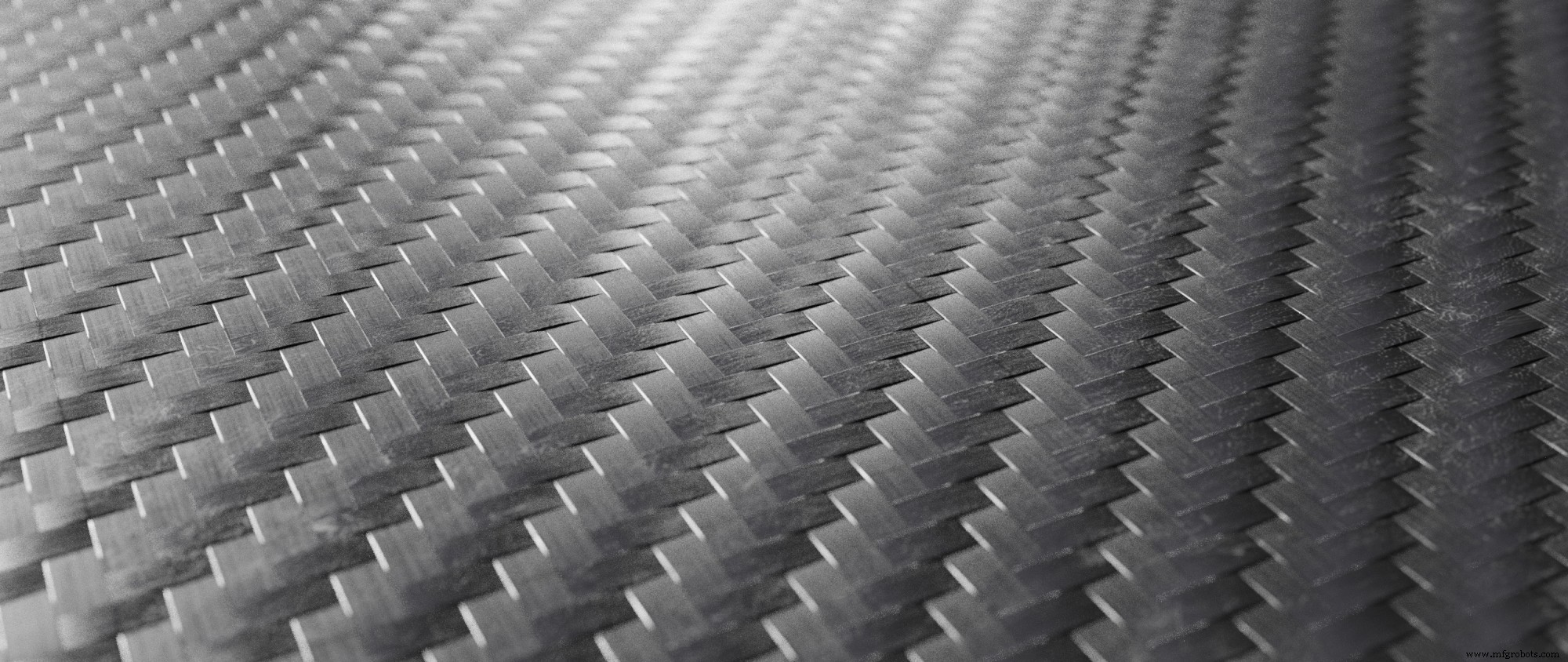
Carbon fiber has become indispensable in high‑performance applications—from aerospace to medical implants—thanks to its unrivaled strength‑to‑weight ratio and corrosion resistance. Despite its widespread adoption, many practitioners remain unaware of the meticulous steps that transform a raw precursor into the advanced material they rely on.
In this guide we demystify the manufacturing journey, outlining each critical phase that delivers the structural integrity and surface compatibility required for cutting‑edge composites.
1. Starting with the Precursor
Manufacturers begin with a polymeric precursor—most commonly polyacrylonitrile (PAN), pitch, or rayon—selected for its high carbon yield. The precursor is extruded into long, uniform filaments, setting the foundation for subsequent heat treatments.
2. Stabilization: Ladder Formation
During stabilization, the filaments are heated to 390–590 °F (200–310 °C) in an inert atmosphere for 30–120 minutes. Oxygen molecules are introduced in a controlled manner, converting the polymer into a thermally stable ladder structure that resists melting during carbonization.
3. Carbonization: Removing Non‑Carbon Atoms
The stabilized fibers are then subjected to temperatures between 1,800–5,000 °F (980–2,760 °C) in a nitrogen or argon‑rich furnace. This high‑temperature step expels most heteroatoms (nitrogen, oxygen, hydrogen), leaving behind a highly ordered graphite lattice with a carbon purity exceeding 95 %.
4. Surface Treatment: Enhancing Bondability
Post‑carbonization fibers possess a chemically inert surface that hinders adhesion to resin matrices. Manufacturers introduce a mild oxidation layer—via controlled air exposure or plasma treatment—to embed functional groups that improve interfacial bonding. Some companies employ electrochemical coatings to further tailor surface chemistry.
5. Sizing: Protecting and Functionalizing the Fibers
Size agents—polymer or wax‑based formulations—are applied to the fibers to shield them from abrasion during winding, provide moisture resistance, and impart desirable mechanical properties. The sized yarn is then wound onto mandrels, forming rovings or filaments ready for composite fabrication.
Why Precision Matters
Each temperature ramp, residence time, and atmosphere composition must be tightly controlled; even minor deviations can compromise fiber strength, modulus, or interfacial toughness. That is why leading manufacturers invest in advanced furnaces, real‑time monitoring, and rigorous quality assurance protocols.
Trusted Carbon Fiber Partners
Our portfolio includes industry‑leading carbon fiber producers who adhere to ISO 9001 and ISO 14001 standards, ensuring consistent quality and environmental stewardship. Whether you need raw fibers, short‑staple rovings, or custom‑processed yarns, we can source materials that meet your specifications.
Ready to elevate your composite performance? Request a quote today and discover the difference premium carbon fiber can make.
fiber
- Carbon Fiber: Composition, Manufacturing, and Future Applications
- How the Medical Industry Harnesses Carbon Fiber for Innovation
- Carbon Fiber: A Journey from History to Tomorrow
- Comparing Popular Manufacturing Methods for Carbon Fiber Parts
- The Art and Science of Carbon Fiber Production: From PAN to High-Performance Yarn
- How Medical Industries Harness Carbon Fiber for Advanced, Lightweight Devices
- Carbon Fiber: The Cornerstone of Modern Aerospace Design
- Why Carbon Fiber Leads the Composite Materials Market
- From PAN to Performance: The Expert Guide to Carbon Fiber Manufacturing
- Durability of Carbon Fiber: Strength, Corrosion Resistance, and Longevity