



The Art and Science of Carbon Fiber Production: From PAN to High-Performance Yarn
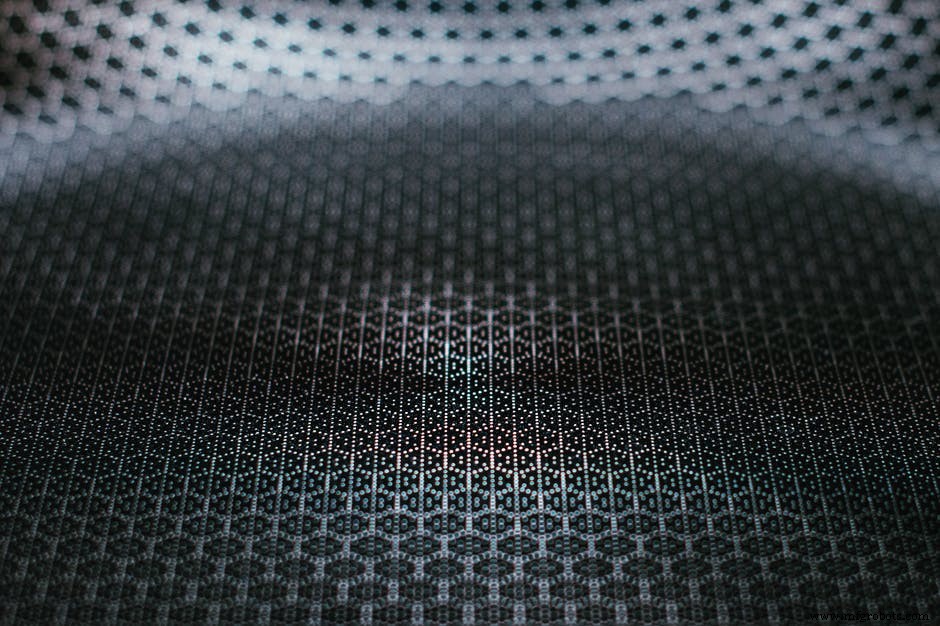
Carbon fiber remains unparalleled in performance and versatility. Understanding its production reveals a meticulous blend of chemistry, engineering, and precision.
Read on to uncover every step—from raw polymer to high‑strength yarn.
Foundations: From Polyacrylonitrile to Pre‑Carbon Fibers
The journey starts with polyacrylonitrile (PAN), which supplies roughly 90% of the world’s carbon fibers. The remaining 10% typically comes from petroleum pitch or rayon. Manufacturers blend PAN with carefully selected liquids and gases before spinning it into fine filaments.
Once extruded, the filaments undergo a washing and drawing cycle that enhances their alignment and mechanical integrity.
Stabilization: Reconfiguring the Molecular Structure
Stabilization involves heating the fibers to 390–590 °F (approximately 200–310 °C) for 30–120 minutes. During this phase, oxygen molecules interact with the carbon chains, causing a rearrangement of atomic bonds. The exact temperature profile and atmospheric conditions vary among commercial processes, ranging from heated chambers to hot rollers.
Carbonization: The Heat‑Treated Transformation
Next, the stabilized fibers are exposed to a furnace set between 1,830 and 5,500 °F (about 1,000–3,000 °C). In an oxygen‑free environment, the high heat drives off non‑carbon atoms—ammonia, water vapor, CO₂, CO, N₂, H₂, and others—leaving behind tightly bonded carbon crystals.
Surface Treatment: Optimizing Bonding for Composites
After carbonization, the fiber surface partially oxidizes, introducing oxygen atoms that improve chemical reactivity and roughen the texture. Manufacturers may expose fibers to CO₂, air, ozone, or acid solutions (e.g., nitric acid, sodium hypochlorite) to control this oxidation.
Some facilities also perform electro‑coating, immersing the fibers in conductive baths to deposit a thin metallic layer. Throughout these steps, meticulous surface control prevents pits or defects that could compromise fiber strength.
Sizing: Protecting Fibers During Handling
Size is a protective coating that shields the fibers during weaving, winding, or bundling. The sizing material is chosen to be compatible with the adhesive system used in composite lay‑ups, ensuring strong interfacial bonding.
Final Assembly: From Bobbins to Yarn
Coated fibers are wound by hand onto bobbins. In the final phase, these bobbins are fed into a spinning machine that converts the strands into continuous yarn ready for composite manufacturing.
Why Precision Matters
Each stage of carbon fiber production is a carefully engineered process that balances chemistry, thermodynamics, and mechanical forces. The result is a material that delivers unmatched strength-to-weight ratios, corrosion resistance, and thermal stability.
If your organization seeks hand‑crafted carbon fiber produced with this level of precision, request a free quote from SMI Composites today.
fiber
- Carbon Fiber: Composition, Manufacturing, and Future Applications
- How the Medical Industry Harnesses Carbon Fiber for Innovation
- Epoxy Resin’s Essential Role in High‑Performance Carbon Fiber Manufacturing
- Carbon Fiber Prosthetics: How High‑Performance Materials Transform Limb Replacement
- How Aerospace Engineers Leverage Carbon Fiber for Lighter, Greener Aircraft and Spacecraft
- Carbon Fiber Manufacturing: From Precursors to Premium Composites
- From PAN to Performance: The Expert Guide to Carbon Fiber Manufacturing
- Durability of Carbon Fiber: Strength, Corrosion Resistance, and Longevity
- Holiday Gift Ideas: The Best Carbon Fiber Gadgets
- Carbon Fiber Varieties & Production Processes