



Using FRP to Build Energy‑Efficient Sunshades
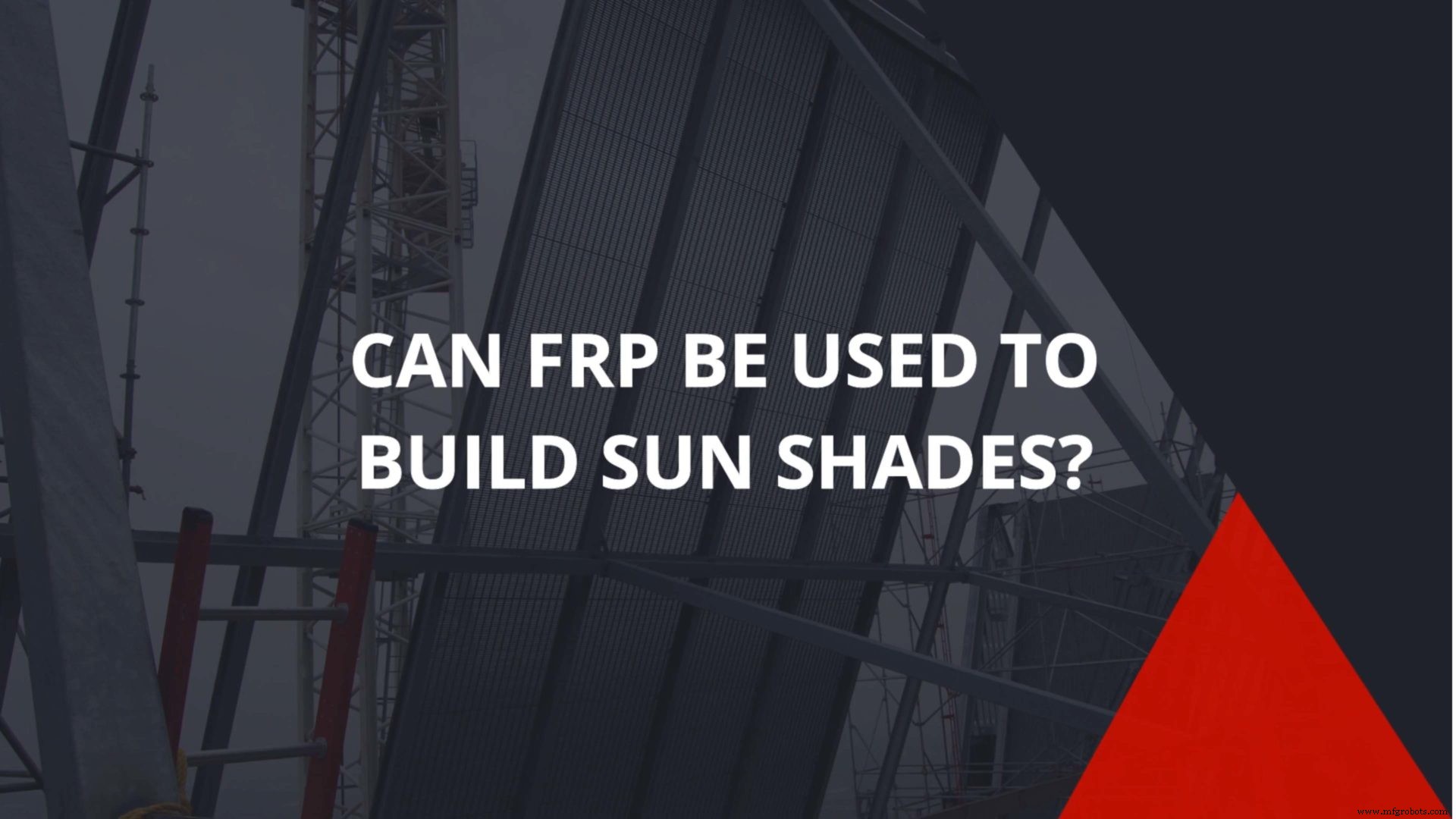
Fiberglass reinforced plastic (FRP) is increasingly favored for sunshade applications across commercial buildings, thanks to its aesthetic flexibility and engineering performance.
In high‑density metro areas, office tenants face steep rents and rising utility bills—especially during hot summer months when HVAC loads spike.
Installing FRP sunshades can lower cooling demand without major structural alterations, making them a popular retrofit for aging office towers and a key feature in new‑build designs.
Looks Cool, Keeps Cool
The trend of installing FRP sunshades has taken off in cities where even 40‑year‑old buildings can be retrofitted to cut cooling costs and enhance curb appeal.
For example, a mid‑century office in downtown Houston suffered from afternoon glare. Working with the client’s architects and engineers, we matched the original palette and produced sunshades that blended seamlessly into the façade.
The new shades improved shading, boosted energy efficiency, and reduced HVAC usage by a noticeable margin. Initially the team considered metal cladding, but the higher material and installation costs made FRP the preferred choice.
Why Choose FRP?
Engineers must balance performance, cost, and durability. In a place like Houston—known for high winds, tropical storms, and salt‑laden air—metal can corrode quickly, and the paint would require frequent touch‑ups.
FRP offers the same structural strength as steel but at a fraction of the weight, eliminating the need for heavy‑lift cranes and reducing labor costs. It also withstands hurricane‑force winds, salt spray, and hail impact without degradation.
Because the pigment is baked into the resin, FRP is virtually maintenance‑free; there’s no need for repainting or protection against oxidation.
What Is FRP?
FRP—fiber reinforced plastic—is a composite of glass strands embedded in a polymer resin. The resin binds the fibers and can be formulated with additives to enhance corrosion resistance, fire performance, or other properties.
At DEFI, we manufacture FRP using a three‑layer laminate process: the structural layer, the chemical‑barrier layer (CBL), and a topcoat tailored to the application.
- Structural Layer: Provides the core strength and temperature resistance.
- Chemical‑Barrier Layer (CBL): Delivers exceptional corrosion resistance.
- Topcoat (Surface Veil): Adds surface‑specific traits such as texture, gloss, or color.
The combination of lightness, durability, and corrosion resistance makes FRP a go‑to material for oil & gas, automotive, waterworks, and chemical plants.
Customization Options
FRP’s versatility extends beyond sunshades. It can be cast translucent, opaque, or semi‑transparent, and color can be integrated directly into the resin bath. Surface finishes—matte, satin, or textured—can improve safety or aesthetics.
Pultrusion, our preferred manufacturing method, allows us to produce complex shape profiles at scale, ideal for large commercial façades and industrial structures.
Choose DEFI For Your FRP Needs
Our team brings decades of experience in composites, from concept sketches to final fabrication. Whether you need custom sunshades, structural panels, or industrial platforms, DEFI delivers solutions that are stronger, lighter, and more durable.
Contact us today to turn your vision into a resilient, energy‑efficient reality.
fiber
- Molybdenum Compounds: Key Industrial Applications and Benefits
- Rhenium: Key Applications and Industrial Uses of the Rare Refractory Metal
- Carbon Fiber 101: How the Ultra‑Light Material Is Revolutionizing 5 Key Industries
- Can FRP Fail? Understanding the Limits of Fiber‑Reinforced Plastic
- Fiber‑Reinforced Plastic (FRP) in Construction: Strength, Durability, and Cost Savings
- Why Structural FRP Is the Ultimate Choice for Meat Processing Facilities
- FRP vs. Steel: The Real Strength of Fiber‑Reinforced Polymer
- Why Fiberglass (FRP) Is the Premier Choice for Boating Docks
- How Reliable Are Used CNC Machines? A Trusted Buying Guide
- Using a DC Motor as a Pump: Practical Tips & Requirements