



Why Fiberglass (FRP) Is the Premier Choice for Boating Docks
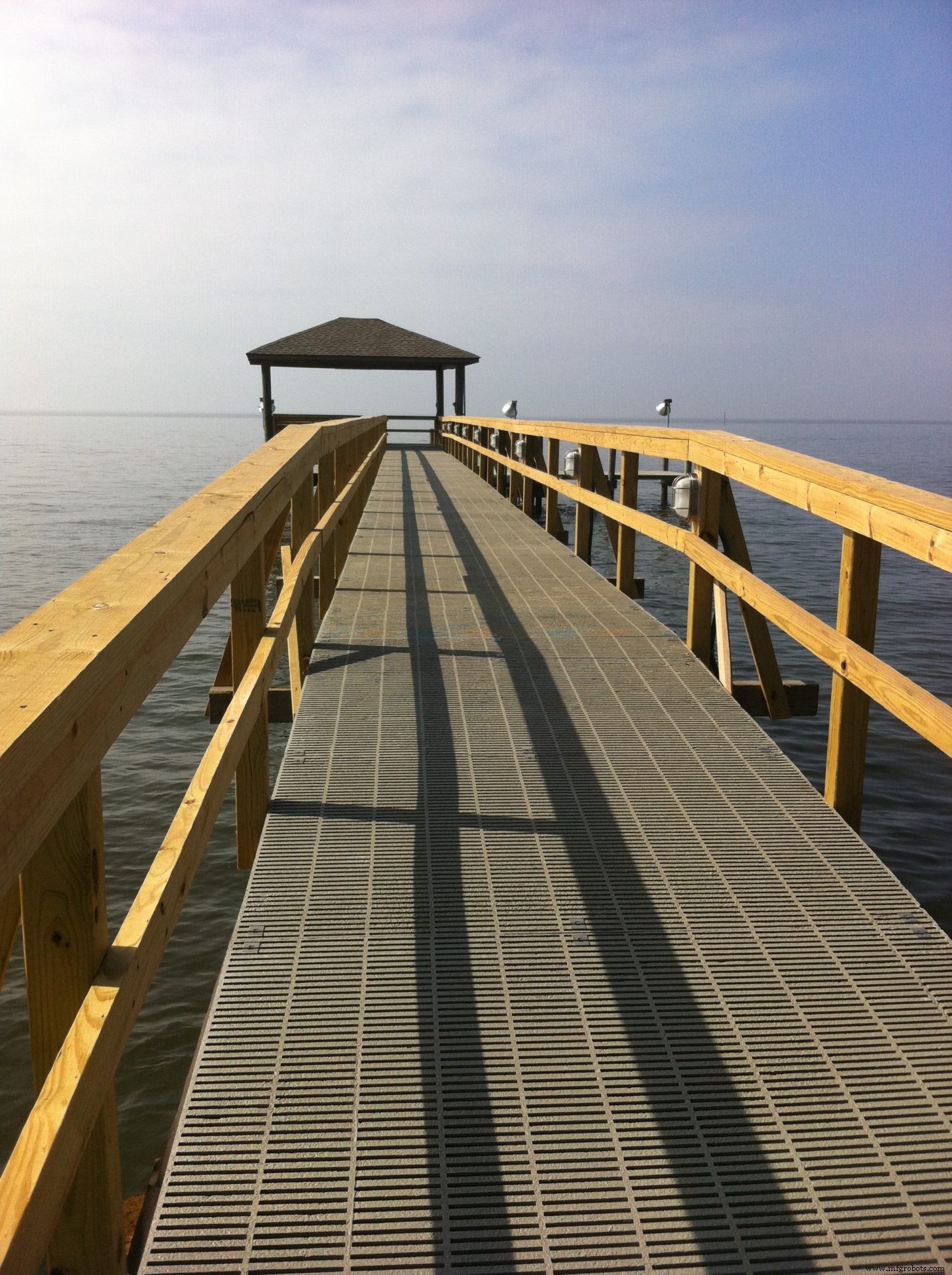
Fiberglass, or FRP, is ideal for docking structures because it resists corrosion, withstands UV exposure, and its open‑cell design dissipates wave pressure. The result is a dock that stays pristine with virtually no long‑term maintenance.
The High Cost of Traditional Dock and Deck Maintenance
Wooden and metallic docks require constant upkeep. They are battered by physical impact, weather extremes, and corrosion, leading to repair or replacement costs that can reach thousands of dollars. What if a material could resist these challenges while cutting maintenance expenses?
DEFI’s fiberglass grating delivers exactly that. It’s engineered to endure waves, temperature swings, and chemical exposure, offering a durable alternative to conventional docks.
Fiberglass Grating: The Superior Choice for Docks and Decks
DEFI’s fiberglass dock and deck grating outperforms wood and metal. Whether you need a new installation or a replacement for a failing dock, our custom‑manufactured panels meet your exact specifications.
We can produce grating that’s safe for barefoot use, industrial walkways with generous drainage, or high‑traffic deck areas. For docks, our textured, non‑slip surface ensures safety even in adverse weather.
Easy Installation, Seamless Customization
FRP grating is straightforward to install and visually appealing. Panels can be trimmed with basic tools—such as a circular saw equipped with a diamond blade—without the need for heavy lifting or welding. Each panel covers a large area, speeding up the installation process.
Durable and Reliable
Unlike wood, which degrades in wet conditions, freezes, or when exposed to de‑icing chemicals, FRP remains strong. It supports heavy foot traffic, rolling equipment, and extreme temperatures without loss of integrity.
Nine Compelling Reasons to Switch to Fiberglass Grating
Beyond the obvious benefits, here are nine concrete advantages that make FRP the best dock material:
Chemical and Corrosive Resistance
Industrial cleaners, gasoline, acids, and other corrosives degrade wood and metal, driving up repair costs. FRP is impervious to these substances, ensuring decades of reliable performance.
Rust‑Proof
Metal surfaces eventually oxidize, spreading rust and compromising structural integrity. FRP never rusts, eliminating that risk entirely.
Grease‑Proof
Grease and oil do not penetrate FRP. The surface stays non‑slip and can be cleaned easily, preserving safety and appearance.
Water‑Proof
Continuous water exposure warps wood and corrodes metal. FRP tolerates constant moisture without warping, swelling, or rotting.
UV‑Proof
Unlike timber or metal that fades or warps under sunlight, FRP maintains its color and structural integrity under UV exposure.
Cold‑Proof
In northern climates, wood and metal crack or warp when temperatures drop. FRP remains stable and safe even in extreme cold.
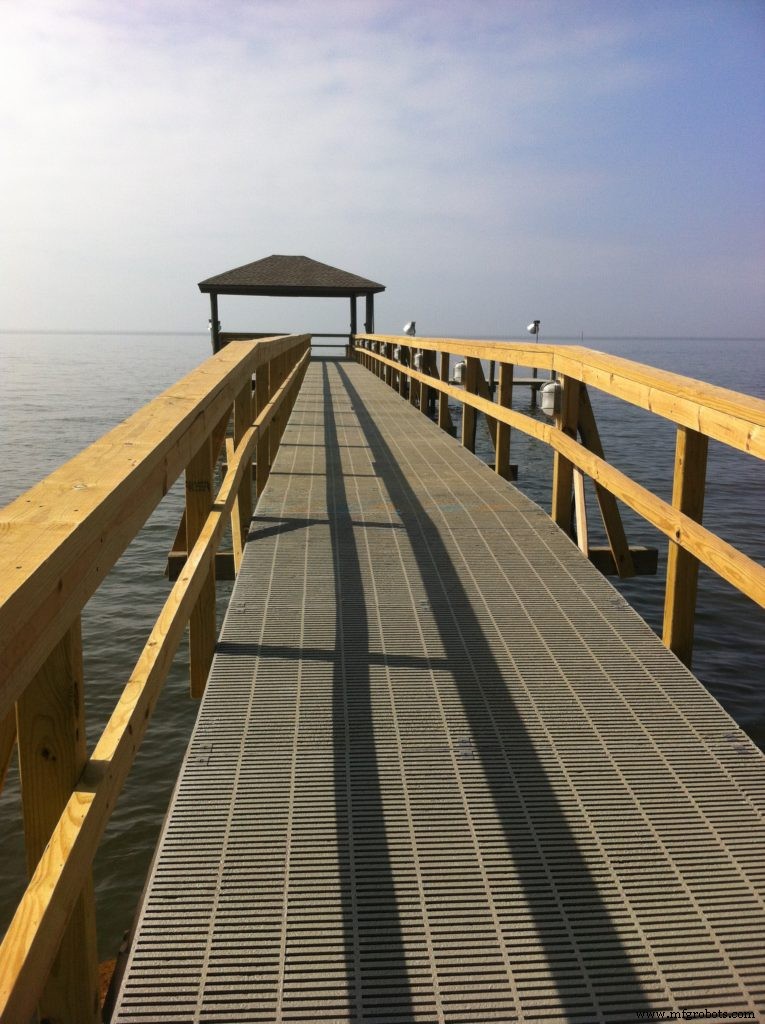 Built for Strength
FRP grating offers load‑bearing capacity comparable to steel, yet it is lighter and does not dent. It supports heavy loads while keeping installation simple.
Non‑Conductive
Because FRP is non‑metallic, it does not conduct electricity. This eliminates shock hazards near exposed wiring or electrical equipment.
Easy to Clean
Oil, mud, algae, and other stains wash off effortlessly, keeping the dock looking new with minimal effort.
Fiberglass Grating for Docks and Walkways
Marinas and boat storage facilities demand a professional, safe appearance. Wood and metal degrade quickly, giving a neglected look that can deter boat owners. FRP grating keeps your dock clean, safe, and visually appealing for decades—without the need for repainting or regular maintenance.
Additional Benefits
While corrosion resistance and weight savings are obvious, other advantages include:
Theft Resistance
Metal components are attractive to thieves for scrap value. FRP panels are not recyclable as scrap metal, making them a deterrent and protecting your investment.
Low Ownership Cost
With a longer service life and straightforward installation, FRP reduces contractor fees and replacement expenses. Panels can be assembled with hand tools—no welding or specialized fabrication required.
Upgrade to DEFI Fiberglass Grating Today!
Whether you manage a small marina or a large multi‑slip facility, DEFI offers the durable, cost‑effective solution you need. Contact one of our design consultants now to explore how FRP can transform your dock infrastructure.
fiber
- Molybdenum Compounds: Key Industrial Applications and Benefits
- Rhenium: Key Applications and Industrial Uses of the Rare Refractory Metal
- Can Apple AirTags Track Commercial Assets? A Practical Evaluation
- Why Fiberglass Cloth Revolutionized Surfboard Design
- Can FRP Fail? Understanding the Limits of Fiber‑Reinforced Plastic
- Using FRP to Build Energy‑Efficient Sunshades
- Fiber‑Reinforced Plastic (FRP) in Construction: Strength, Durability, and Cost Savings
- Why Structural FRP Is the Ultimate Choice for Meat Processing Facilities
- FRP Grating Lead Times & Why DEFI Is the Industry’s Trusted Choice
- Hard Drives Covertly Convert into Microphones: A New Espionage Threat