



Black Pepper Seeds: Your Comprehensive Guide to the King of Spices
Black pepper seeds, also known as peppercorns, are one of the world’s most prized spices. Derived from the Piper nigrum plant, these tiny, fermented berries deliver a bold, pungent flavor that has enhanced dishes across continents for centuries. Whether you grind them fresh or use whole peppercorns, black pepper remains an essential pantry staple.
India is the leading producer of black pepper, particularly the high‑piperine varieties from Kerala and Karnataka. Culinary professionals and spice merchants alike seek premium sources to ensure consistency and depth in flavor. This guide covers the biology, processing, varieties, and best purchasing practices for black pepper seeds.
What Are Black Pepper Seeds?
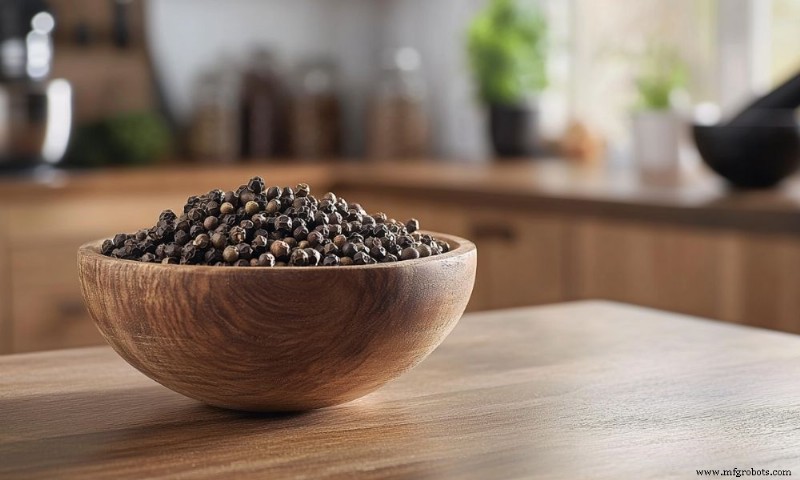
Black pepper seeds are the dried fruit of the Piper nigrum vine. Harvested green, the berries undergo a short fermentation before being sun‑dried into the wrinkled, black kernels we know. The outer skin is rich in piperine, the compound that gives black pepper its sharp heat and aromatic profile.
Different Types of Black Pepper
Varieties differ by origin, processing, and size, each offering a unique flavor profile:
- Fresh Black Pepper – Unripe green berries, often brined for preservation.
- Whole Black Peppercorns – Fully mature, dried seeds ideal for grinding on demand.
- Ground Black Peppercorn – Convenient powdered form for quick seasoning.
- Tellicherry Black Pepper – Premium Indian variety known for its large size and intense aroma.
- Malabar Black Pepper – From the Malabar Coast, offering an earthy, robust flavor.
- Kali Mirch – The Hindi term for black pepper, widely used in Indian spice blends.
How Black Pepper Is Processed
The quality of black pepper hinges on meticulous processing. Here’s a step‑by‑step overview of the Indian method:
- Harvesting – Hand‑picked green berries from healthy vines.
- Fermentation – Brief soaking activates enzymes that darken the skin.
- Drying – Sun‑drying shrivels the berries into black, fragrant seeds.
- Sorting & Grading – Size and shape determine premium grades, with larger kernels commanding higher prices.
- Optional Grinding – Some producers offer pre‑ground pepper for convenience.
This process preserves essential oils and flavor compounds, resulting in a spice that balances heat, aroma, and longevity.
Culinary Uses of Black Pepper Seeds
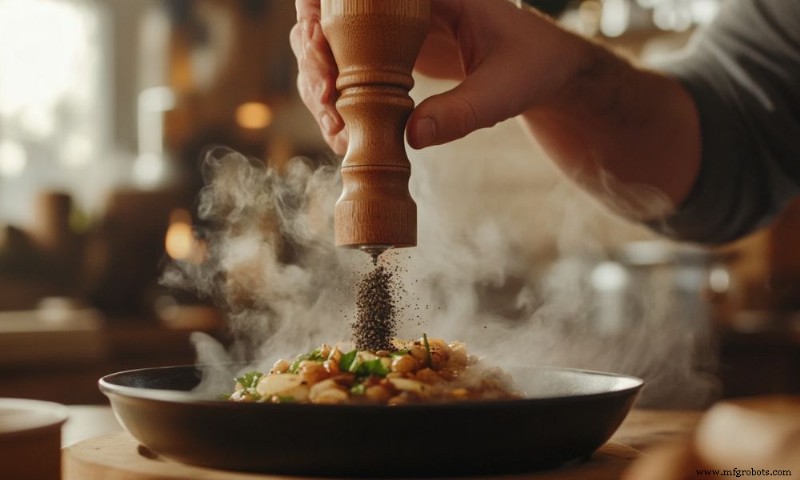
Black pepper’s versatility is unmatched. Below are common applications for each form:
Whole Black Peppercorn Uses
- Slow infusion in soups, stews, and stocks.
- Pickling and preserving foods.
- Cracked or crushed for steak rubs and spice blends.
Ground Black Peppercorn Uses
- Seasoning salads, roasted vegetables, and meats.
- Combined with salt and other spices for table seasoning.
- Base for spice mixes like garam masala, curry powder, and BBQ rubs.
Kali Mirch in Indian Cuisine
- Key component of Indian spice mixes, adding warmth and depth.
- Enhances traditional chai blends with a subtle kick.
- Widely used in curries, stir‑fries, and street‑food seasonings.
Where to Buy Black Pepper
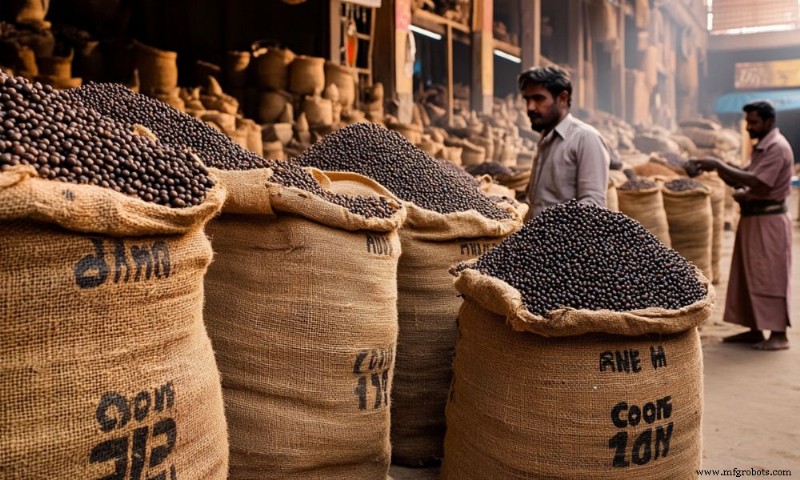
Choosing the right supplier is crucial for both home cooks and businesses. Consider these options:
- Local Grocery Stores – Small packs of whole or ground pepper for everyday use.
- Online Marketplaces – Platforms like Amazon offer a range of fresh and pre‑ground options.
- Wholesale Suppliers – For bulk orders of premium Indian black pepper, reputable wholesalers such as Flavoric specialize in high‑grade spices.
- Specialty Spice Stores – Gourmet and organic shops often carry Tellicherry and Malabar varieties.
Always verify organic certification, freshness, and verified origin to ensure you’re purchasing premium pepper.
Storing Black Pepper for Maximum Freshness
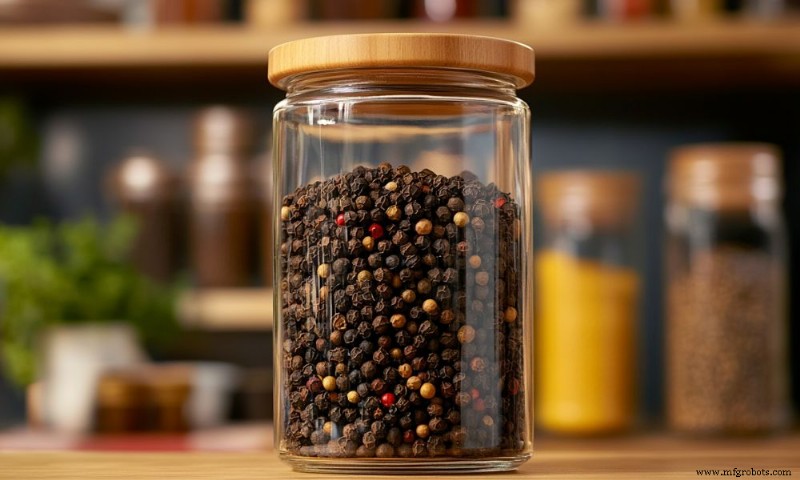
Proper storage preserves aroma and potency. Follow these best practices:
- Use an airtight container to limit air exposure.
- Keep away from direct light and heat sources.
- Opt for whole peppercorns; they retain flavor longer than pre‑ground pepper.
- Purchase in smaller batches for home use to maintain freshness.
Why Indian Black Pepper Is Highly Sought After
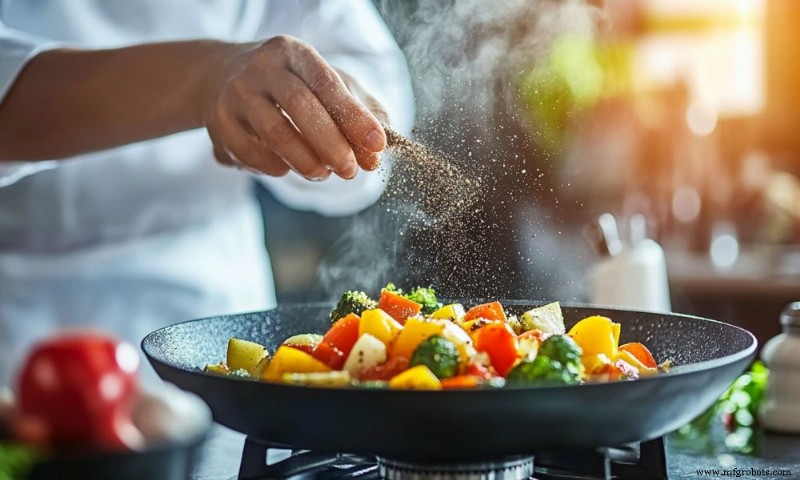
India’s Kerala and Karnataka regions dominate black pepper production. The spice is prized for:
- Strong aroma and rich essential oils.
- High piperine content, delivering bold flavor.
- Diverse varieties, including Tellicherry and Malabar grades.
Partnering with a trusted Indian supplier guarantees authenticity and premium quality.
Conclusion
Black pepper seeds are a cornerstone of global cuisine, offering depth, heat, and aroma in every form. Whether you’re a culinary enthusiast or a spice distributor, sourcing high‑quality black pepper—especially from India’s renowned regions—will elevate your dishes and product line.
Prioritize freshness, origin, and quality, and store properly to preserve the spice’s vibrant character. Explore trusted suppliers today and transform your culinary creations.
Would you like to discover the best sources for premium black pepper seeds? Visit reputable suppliers and enrich your spice collection.
Spices
- Cardamom Pods: From Ancient Spice to Modern Kitchen Must-Have
- Vegan Recipes Highlighting Garam Masala: From Spicy Bean Patties to Flavorful Tomato Rice
- Why Growing Organic Onions from Seeds Is a Smart Choice
- Discover 9 Powerful Health Benefits of Organic Mace Spice
- Moringa, Turmeric, Cinnamon & Black Pepper: Enhancing Modern Medicine
- Cardamom Powder: Health Benefits, Culinary Uses, and Flavorful Recipes
- Ginger Powder: A Comprehensive Guide to Health Benefits, Culinary Uses, and Expert Recipes
- Organic Whole Cloves: A Comprehensive Guide to Flavor, Nutrition, and Wellness
- Black Pepper Seeds: Your Comprehensive Guide to the King of Spices
- How Red Paprika and Red Chili Powders Differ: A Comprehensive Guide