



Organic Whole Cloves: A Comprehensive Guide to Flavor, Nutrition, and Wellness
Organic cloves are the dried flower buds of the clove tree (Syzygium aromaticum) cultivated without synthetic pesticides, herbicides, or artificial fertilizers. Organic growers rely on crop rotation, composting, and biological pest control to sustain soil health and manage pests, resulting in a product free from harmful residues and aligned with sustainable agriculture.
Organic clove cultivation prioritizes soil health, environmental stewardship, and human wellbeing by eschewing synthetic inputs.
The cultivation begins with selecting organic, non‑GMO clove seeds. Soil preparation uses compost and manure to maintain fertility. Natural pest management—crop rotation, intercropping, and biological control—prevents disease.
Beyond environmental benefits, organic clove farming safeguards farmer health and delivers cleaner, residue‑free buds for consumers.
Cloves bring a warm, sweet, aromatic flavor to desserts, curries, and beverages, and their high antioxidant and anti‑inflammatory profile supports digestion, reduces inflammation, and promotes oral health.
In sum, organic clove production is eco‑friendly, sustainable, and supports biodiversity, soil vitality, and human health.
Health Benefits of Cloves: Why You Should Add Them to Your Diet:
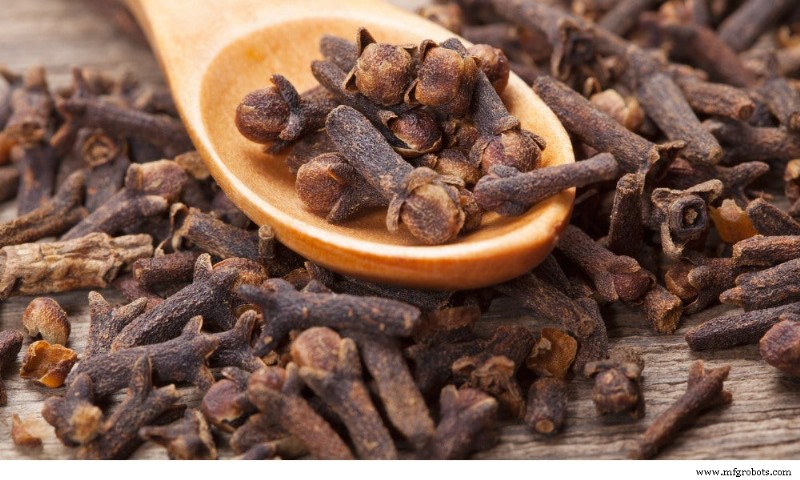
Cloves have been valued in traditional medicine for centuries. Key benefits include:
- Digestive aid: Stimulates digestion and eases bloating, gas, and nausea.
- Anti‑inflammatory: Reduces inflammation, potentially benefiting conditions such as arthritis.
- Antibacterial: Fights harmful bacteria, supporting infection prevention.
- Blood‑sugar regulation: Improves insulin sensitivity, useful for diabetes management.
- Antioxidant power: Protects cells from free‑radical damage, lowering chronic‑disease risk.
- Oral health: Decreases plaque, gingivitis, and bad breath.
- Analgesic: Provides pain relief for toothaches, headaches, and joint discomfort.
- Potential anti‑cancer effects: Early studies suggest activity against certain cancers.
While research continues, cloves remain a potent spice with broad health potential.
Cloves Uses: 5 Ways to Incorporate Cloves into Your Daily Routine:
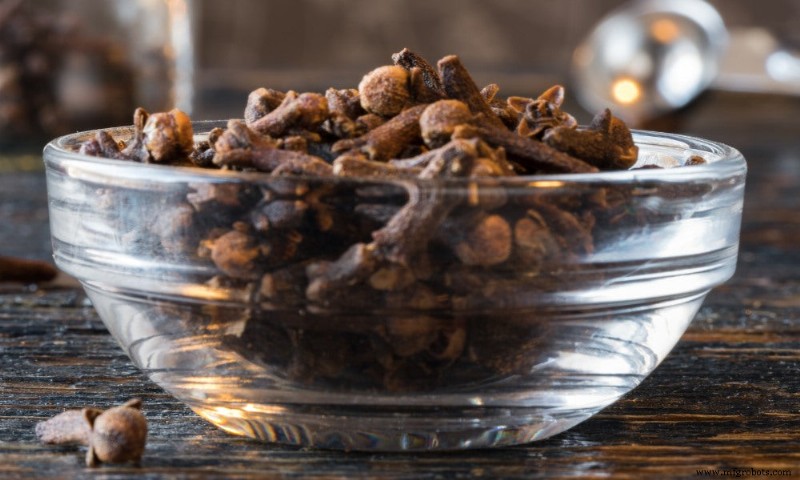
Cloves are versatile in culinary and medicinal contexts. Common applications include:
- Culinary: Enhance stews, curries, marinades, desserts, and pickling liquids.
- Medicinal: Tea or infusion for digestion, oral care, inflammation, and pain relief; clove oil topically for skin and respiratory support.
- Aromatherapy: Diffuser or room spray to promote relaxation and mood.
- Herbal remedies: Combine with other herbs for digestive, respiratory, and skin conditions.
- Food preservation: Natural antiseptic properties aid in pickling and flavoring vinegar or oil.
Benefits and Uses of Clove Oil for Natural Health:

Clove oil, extracted by steam distillation, offers numerous therapeutic uses:
- Dental care: Relieves toothache, reduces gum inflammation, and combats bad breath.
- Pain relief: Eugenol provides analgesic effects for sore muscles, joints, and headaches.
- Skin care: Antiseptic and anti‑inflammatory properties treat acne, rashes, and minor wounds.
- Respiratory support: Acts as an expectorant, easing coughs, colds, and asthma.
- Insect repellent: Natural insecticidal effect deters mosquitoes and other pests.
- Flavoring agent: Complements spices like cinnamon and nutmeg in baking and holiday recipes.
Because clove oil is highly concentrated, always dilute before use. Avoid use in pregnancy, children, or if sensitive to essential oils.
Natural Remedies with Cloves:
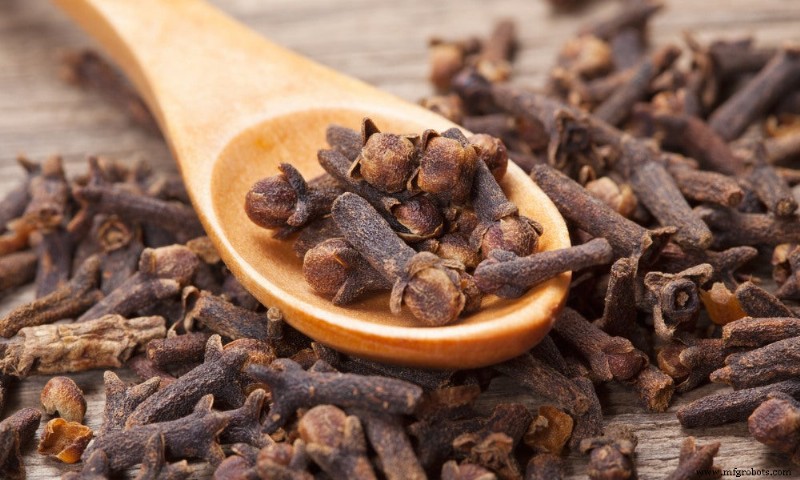
Cloves support wellness through several natural remedies:
- Clove tea: Steep 2‑3 cloves in hot water for 5‑10 minutes to soothe digestion and relieve headaches.
- Clove oil for toothache: Dilute and apply to affected tooth or gums for pain relief.
- Clove oil for skin issues: Apply a few drops to acne, rashes, or cuts for antiseptic action.
- Clove oil for respiratory support: Add a drop to a diffuser or steam inhalation to ease congestion.
- Clove oil for headaches: Dab a diluted drop on temples or forehead.
- Clove oil for insect bites: Apply a small amount to reduce pain and inflammation.
Always dilute clove oil and consult a healthcare professional before use, especially for vulnerable populations.
Organic Whole Cloves for Cooking:

When cooking with organic whole cloves, consider these techniques:
- Infuse flavor: Add to soups, stews, or sauces; remove before serving.
- Spice rub: Combine with cinnamon, nutmeg, and allspice for meat rubs.
- Marinades: Enhance depth of flavor in meat or vegetable marinades.
- Pickling: Common in spice blends for pickled vegetables.
- Hot beverages: Infuse tea, cider, or mulled wine for warmth and spice.
Use cloves sparingly to balance their potent flavor, and always choose certified organic to avoid chemical residues.
Whole Cloves for Pickling:
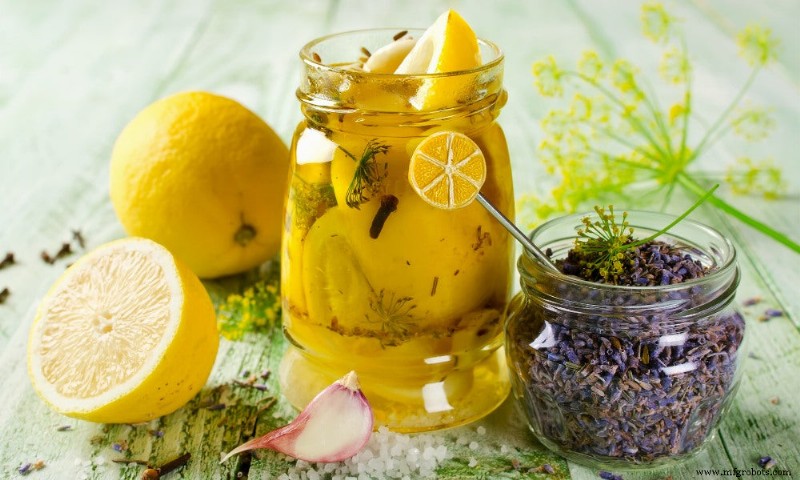
Effective pickling practices with whole cloves include:
- Quality selection: Fresh, aromatic cloves with no dull color or musty odor.
- Moderation: 1‑2 cloves per quart of pickling liquid to avoid overpowering.
- Blend with spices: Pair with cinnamon, allspice, and peppercorns for a balanced spice mix.
- Vinegar-based pickles: Ideal for cucumbers, beets, and onions.
- Brine addition: Add directly to pickling liquid for flavor infusion.
Whole Clove Pickling Recipe:
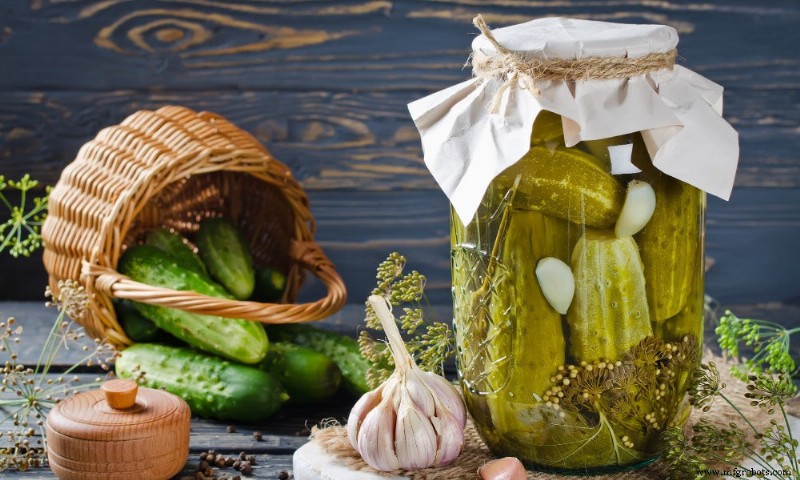
Ingredients:
- 1 lb vegetables (cucumbers, carrots, or green beans)
- 1 cup water
- 1 cup white vinegar
- 1 Tbsp salt
- 1 Tbsp sugar
- 6‑8 whole cloves
Instructions:
- Trim and cut vegetables.
- Combine water, vinegar, salt, sugar, and cloves in a saucepan; bring to boil.
- Simmer 5‑10 minutes, stirring until dissolved.
- Pack vegetables into jars; pour hot liquid over them.
- Remove air bubbles, seal jars, cool to room temperature.
- Refrigerate ≥24 hrs before use.
Adjust clove quantity to taste and experiment with additional spices like cinnamon or black pepper.
Brewing a Perfect Cup: Whole Clove for Tea and Its Health Benefits

Enhance tea with whole cloves by:
- Choosing fresh, organic cloves.
- Combining with cinnamon, ginger, or cardamom for a fragrant blend.
- Steeping in hot water for a few minutes.
- Straining before serving.
- Sweetening with honey or maple syrup.
Moderation ensures balanced flavor; experiment to find your ideal blend.
Clove Tea Recipe:
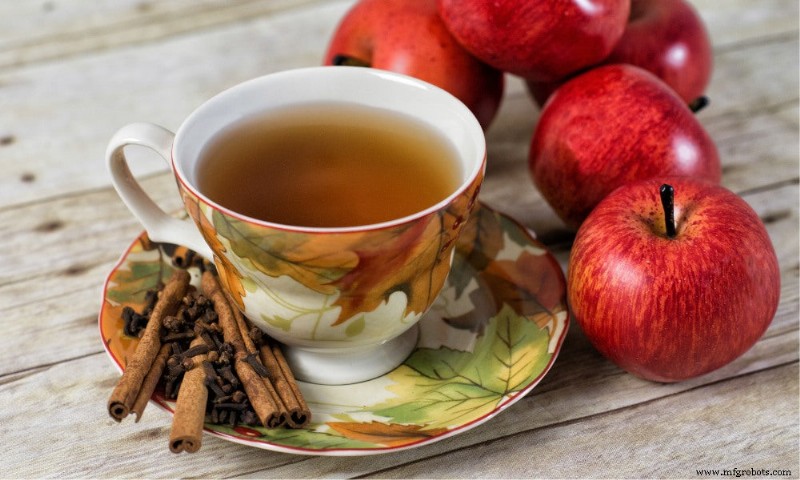
Ingredients:
- 2‑3 cloves
- 1 tea bag or 1‑2 tsp loose‑leaf tea
- 1‑2 cups water
- Honey or sugar (optional)
Instructions:
- Boil water.
- Crush cloves lightly.
- Add cloves and tea to pot; turn off heat.
- Steep 3‑5 min; strain.
- Sweeten to taste.
- Enjoy warm.
Optional: Add cinnamon or ginger for extra flavor.
Whole Cloves for Aromatherapy:

Create a soothing atmosphere with whole cloves:
- Make a sachet and place in drawers or closets.
- Craft a pomander ball by covering fruit with cloves.
- Add to a simmer pot with cinnamon and citrus peels.
- Mix into homemade potpourri.
- Use in a DIY scented candle.
Use sparingly to avoid overpowering scents.
Whole Cloves for Spiced Drinks:
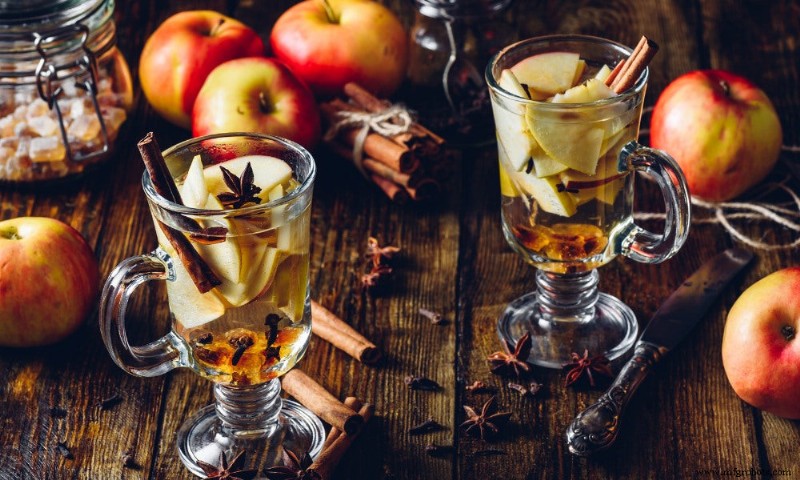
Infuse beverages with whole cloves:
- Combine with cinnamon, nutmeg, or ginger.
- Add to hot drinks like apple cider or mulled wine.
- Simmer briefly to release flavor.
- Strain before serving.
Adjust clove quantity to suit taste.
How to Use Cloves for Pain Relief:
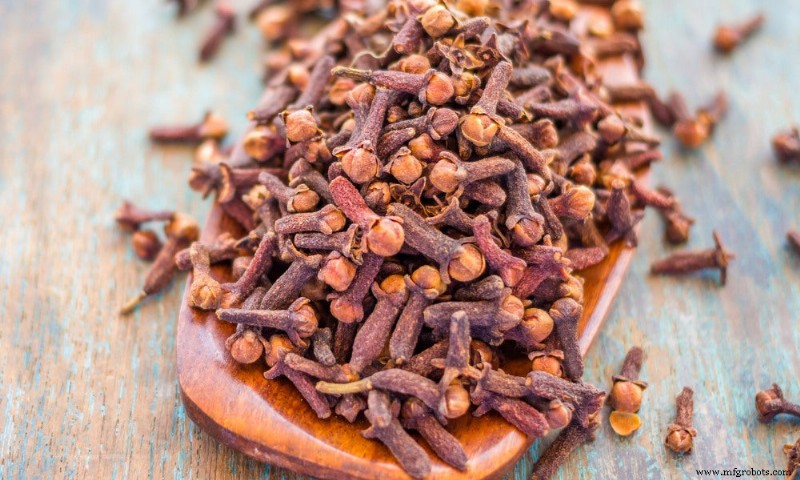
Effective pain‑relief methods include:
- Clove oil: Dilute with carrier oil; apply topically to sore areas.
- Clove tea: Steep 2‑3 cloves; drink warm to ease headaches and toothaches.
- Clove compress: Heat crushed cloves; place cloth on affected area.
- Clove chewing: Chew a whole clove for toothache relief.
- Clove capsules: Follow dosage instructions for oral anti‑inflammatory effects.
Consult a healthcare professional before using, especially if you have underlying conditions.
Popular Clove Recipes: Delicious and Flavorful Ways to Use Cloves:
Spiced Apple Cider:
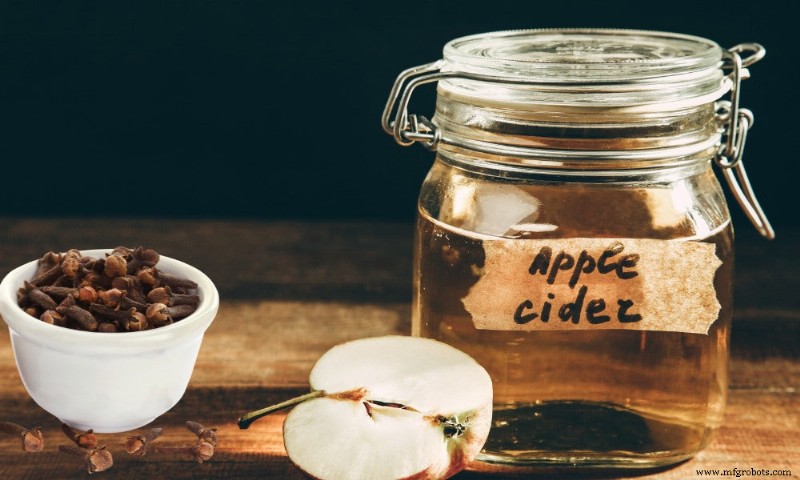
Ingredients:
- 1 gal apple cider
- ½ cup brown sugar
- 1 tsp whole cloves
- 1 tsp allspice berries
- 4 cinnamon sticks
- 1 orange, sliced
- 1 lemon, sliced
Instructions:
- Combine cider and sugar in a pot.
- Wrap cloves and allspice in cheesecloth; add to pot.
- Add cinnamon, orange, and lemon slices.
- Simmer 20‑30 min on low heat.
- Remove spice bag and fruit; serve warm.
Honey and Clove Glazed Ham:

Ingredients:
- 1 bone‑in ham (6‑8 lb)
- ½ cup honey
- 2 Tbsp brown sugar
- ½ tsp ground cloves
Instructions:
- Preheat oven to 325 °F.
- Place ham in roasting pan; cover with foil.
- Bake 2 hrs until heated through.
- Whisk honey, sugar, cloves, cinnamon, and nutmeg.
- Brush glaze over ham; return to oven 30 min.
- Let rest 10 min before slicing.
Spiced Pear Tart:

Ingredients:
- 1 sheet puff pastry
- 3‑4 ripe pears, peeled & sliced
- ¼ cup brown sugar
Instructions:
- Preheat oven to 400 °F.
- Roll pastry to 10×14 in; place on parchment.
- Arrange pears; whisk sugar, cloves, cinnamon, ginger, salt, lemon.
- Sprinkle mixture over pears; fold edges.
- Brush with egg; bake 20‑25 min.
- Cool slightly; slice and serve.
Where to Buy Organic Whole Cloves Online:
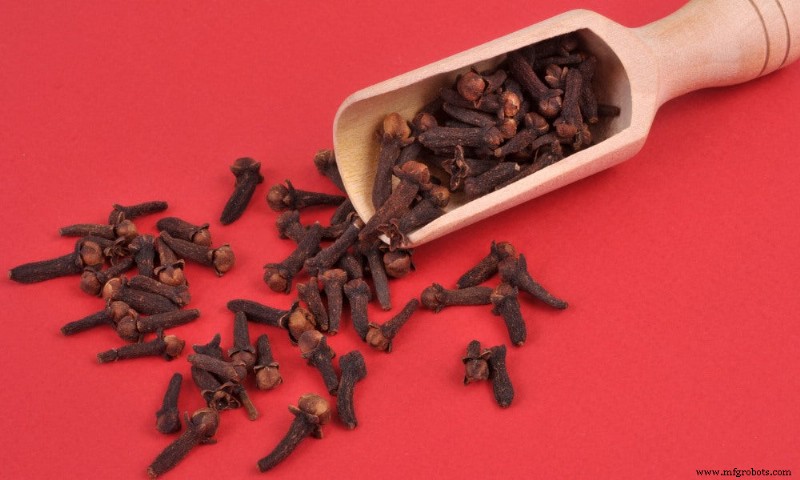
Popular retailers include:
- Spicy Organic: Specializes in natural, organic spices.
- Frontier Co‑op: Renowned for certified organic herbs.
- Walmart: Offers a wide selection of sustainably sourced spices.
- Amazon: Multiple brands and sizes available.
- iHerb: Health‑food store with diverse organic options.
- The Spice House: Family‑owned shop selling high‑quality spices.
Read reviews and verify certifications to ensure quality and authenticity.
How to Store Whole Cloves to Preserve Their Freshness:
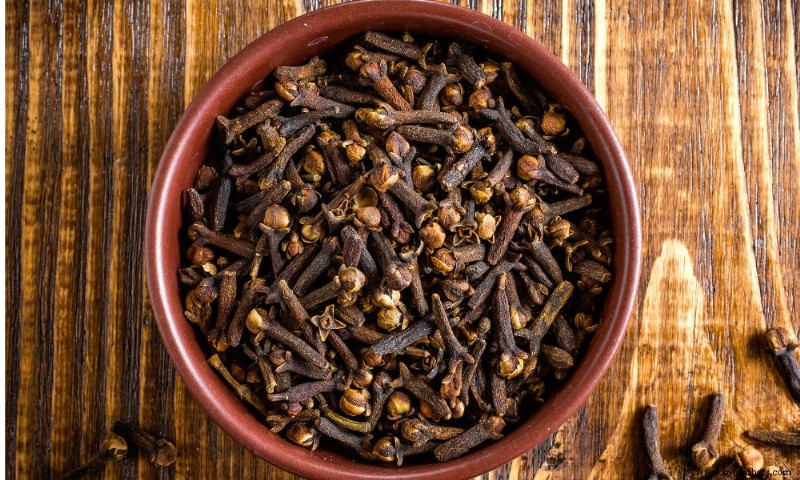
Key storage tips:
- Airtight containers: Use glass jars or tight‑fitting lids to block moisture and air.
- Cool, dry location: Keep away from heat and direct sunlight.
- Desiccants: Silica gel or rice can absorb excess moisture.
- Refrigerator/freezer: For extended storage, seal in airtight bags; can last up to a year.
- Separate from strong‑smelling spices: Avoid flavor absorption.
Proper storage extends shelf life and maintains flavor.
Whole Cloves vs. Ground Cloves: Which Is Better?
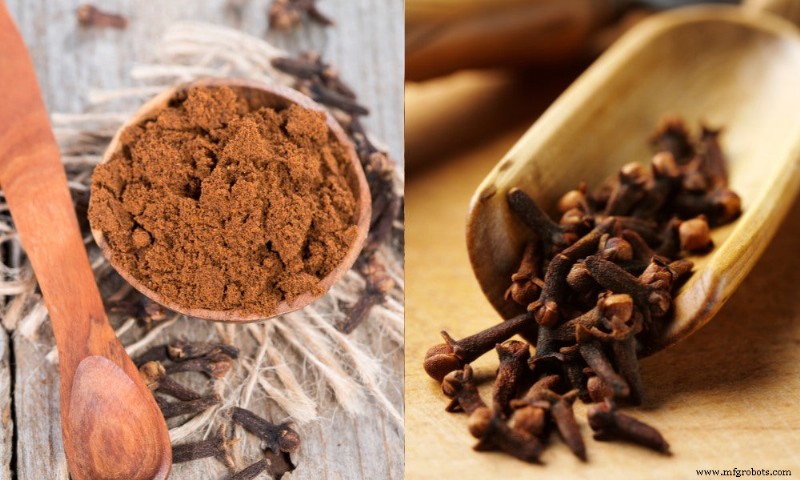
Choosing between whole and ground cloves depends on flavor intensity, shelf life, and convenience:
- Whole cloves retain essential oils, offering stronger aroma and longer shelf life; ideal for pickling, brewing, and cooking.
- Ground cloves provide even distribution and ease of use, especially in baking; however, they oxidize faster.
Match the form to your recipe and personal preference.
How to Grind Whole Cloves at Home for Cooking and Baking?
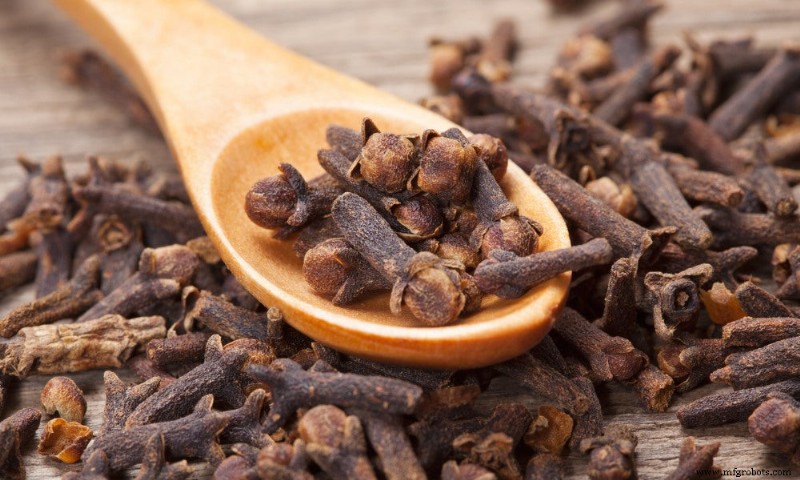
Steps to produce fresh ground cloves:
- Start with whole cloves: Fresh, aromatic, and high quality.
- Select a grinder: Mortar & pestle, spice grinder, or dedicated coffee grinder.
- Grind: Pulse until desired fineness; to intensify flavor, toast cloves briefly before grinding.
- Store: Transfer to airtight container in a cool, dry place.
- Tips:
- Grind small batches to preserve aroma.
- Ensure equipment is clean and dry.
- Label containers with date and type.
Freshly ground cloves elevate any dish with vibrant flavor.
In conclusion, organic whole cloves are a versatile spice that can be used in a variety of ways to add flavor and health benefits to your meals. From enhancing the taste of baked goods to providing relief from digestive issues and promoting dental health, cloves have been a valuable spice for centuries. By choosing organic whole cloves, you can ensure that you are getting the highest quality and most natural form of this amazing spice. So why not start incorporating organic whole cloves into your diet today and enjoy their rich aromatic flavor and health benefits!
Disclaimer: The views expressed in this article should not be considered a substitute for a physician's advice. Please consult with your health care professional before buying this product.
Spices
- Himalayan Pink Salt vs. Regular Sea Salt: What Sets Them Apart
- Why Organic Black Pepper Is a Superfood: Health Benefits Explained
- Mace Spice Unveiled: History, Health Benefits, and Culinary Uses
- Why Growing Organic Onions from Seeds Is a Smart Choice
- Can Organic Amla Powder Truly Revert Gray Hair? Evidence & Practical Tips
- Top 9 Proven Health Benefits of Organic Bay Leaves (With Expert Usage Tips)
- Unlock Health Gains: How a Keto Diet Can Transform Your Well‑Being
- Spicy Organic: 40+ Years of Premium Organic Spices, Sustainable Sourcing & Global Impact
- Cardamom Pods: From Ancient Spice to Modern Kitchen Must-Have
- Ginger Powder: A Comprehensive Guide to Health Benefits, Culinary Uses, and Expert Recipes