



Mace Spice Unveiled: History, Health Benefits, and Culinary Uses
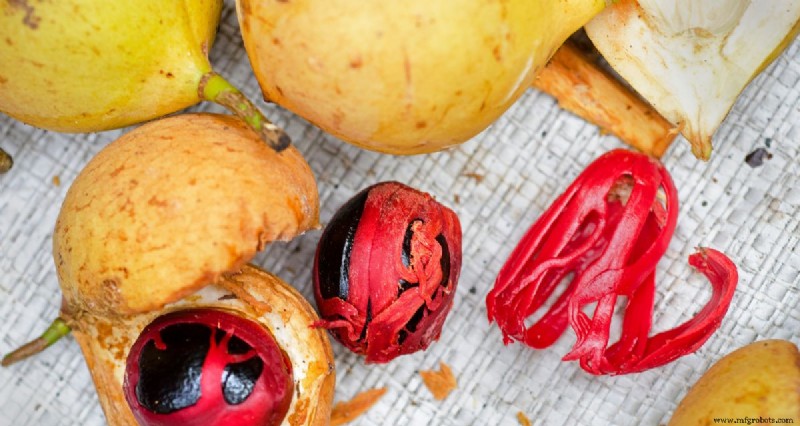
Mace is the lacy, reddish‑brown outer coating of the nutmeg seed, offering a warm, slightly spicy flavor that complements both sweet and savory dishes. Whether you’re adding depth to stews, enriching baked goods, or exploring its traditional medicinal uses, mace brings a subtle complexity that nutmeg alone can’t match.
Historical Roots and Global Journey
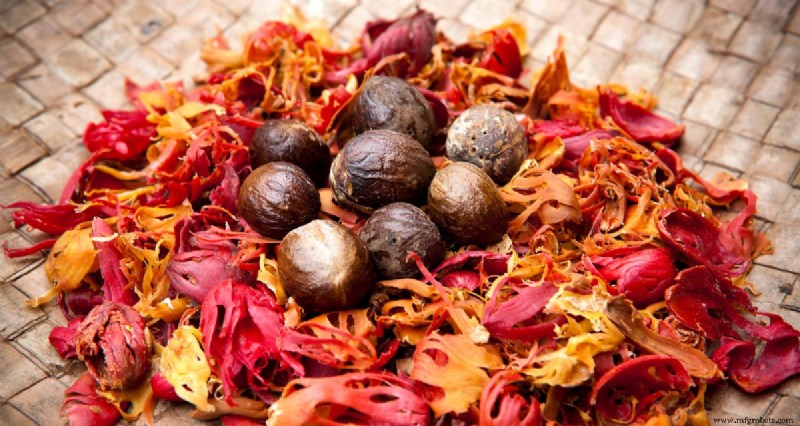
The spice’s story begins on the Indonesian Spice Islands, where the Myristica fragrans tree thrives. Historically prized, mace was once traded as currency along the Spice Route, its value rivaling gold during the Middle Ages. In the Renaissance, European chefs embraced it to flavor food and wine, while physicians noted its digestive and headache‑relieving properties.
Control of the trade shifted to the Dutch in the 17th century, who established a near‑complete monopoly and protected their monopoly through ruthless tactics, including violence against the Banda Islands’ inhabitants. The spice’s economic and geopolitical significance made it a flashpoint in the age of exploration, a history that echoes in its continued global demand today.
Beyond commerce, mace has long been a staple in traditional medicine. From soothing colds and digestive ailments to serving as an aphrodisiac and sedative, its uses span cultures and centuries. Today, it remains a popular ingredient in Indian, Middle Eastern, and European cuisines, as well as in processed foods like sauces, baked goods, and beverages.
Health Advantages of Mace
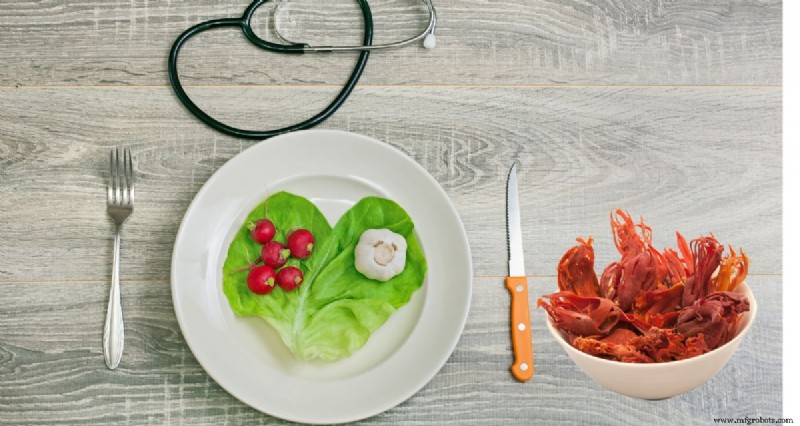
Modern research supports many of mace’s claimed benefits:
- Digestive Aid: Mace stimulates digestive enzymes, helping to ease bloating, gas, and constipation.
- Anti‑Inflammatory: Its phytochemicals can reduce chronic inflammation linked to heart disease, arthritis, and cancer.
- Natural Analgesic: Traditional use for headaches and joint pain aligns with its pain‑relief properties.
- Mood Enhancer: Compounds in mace promote serotonin production, easing anxiety and stress.
- Antimicrobial: Mace has shown activity against common bacteria and viruses, supporting immune health.
- Antioxidant Power: Rich in flavonoids and phenolics, it protects cells from free‑radical damage.
- Skin Support: Mace’s antioxidant and collagen‑boosting effects may reduce fine lines and improve skin tone.
While promising, these findings warrant further clinical study to confirm safety and dosage guidelines.
Versatile Culinary Applications
Mace’s warm, sweet‑spicy profile lends itself to a wide range of dishes:
- Cooking: Enhances stews, soups, meats, rice, and vegetable preparations.
- Baking: Ideal for cakes, breads, cookies, and pies, adding depth without overpowering.
- Flavoring Agent: Used in the food industry to elevate sauces, dairy products, and beverages.
- Traditional Medicine: Applied for digestive discomfort, colds, headaches, and as a mild sedative.
- Aromatherapy & Perfumery: Its comforting aroma makes it a favored ingredient in fragrances and therapeutic blends.
- Beauty Products: Antioxidant properties support skin‑care items like soaps, lotions, and creams.
Incorporating Mace into Meat Dishes
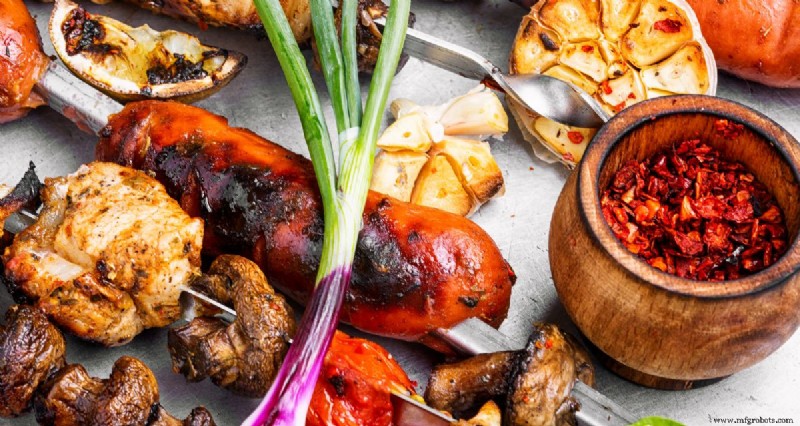
Use mace to elevate beef, pork, or chicken. Try these techniques:
- Dry Rub: Combine mace, garlic powder, onion powder, paprika, and salt. Rub onto meat before grilling or roasting.
- Marinade: Mix mace with cumin, coriander, ginger, olive oil, vinegar, and soy sauce. Marinate for 3–4 hours.
- Stew Base: Add mace to simmering soups with bay leaves, thyme, and rosemary.
- Sausage Flavoring: Include mace in the meat blend with fennel, garlic, and black pepper for aromatic sausages.
Mace vs. Nutmeg: Key Differences
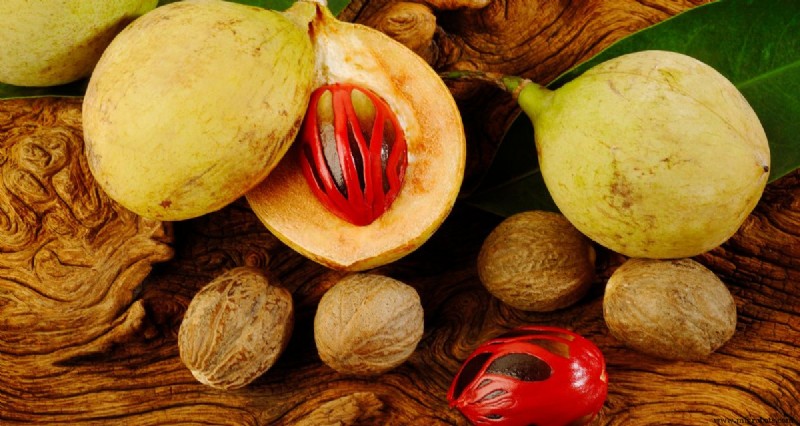
While both hail from Myristica fragrans, they differ in form and flavor nuance:
- Appearance: Mace is a thin, lacy wrapper; nutmeg is the seed itself.
- Flavor: Mace is delicate, with cinnamon‑like undertones; nutmeg is stronger and clove‑ish.
- Culinary Use: Mace shines in savory dishes; nutmeg is versatile across sweet and savory.
- Nutritional Edge: Mace contains slightly higher levels of vitamin A, calcium, and iron.
Sweetening Desserts with Mace

Mace’s subtle warmth transforms desserts. Consider these ideas:
- Baked Goods: Add a pinch to cake, cookie, or bread batter alongside cinnamon and ginger.
- Puddings & Custards: Stir mace into milk or cream before cooking for a gentle spice note.
- Ice Cream: Fold mace into the custard base before churning for a winter‑y twist.
- Fruit Desserts: Sprinkle mace into pies, tarts, or compotes to balance fruit sweetness.
Signature Mace‑Spiced Recipes
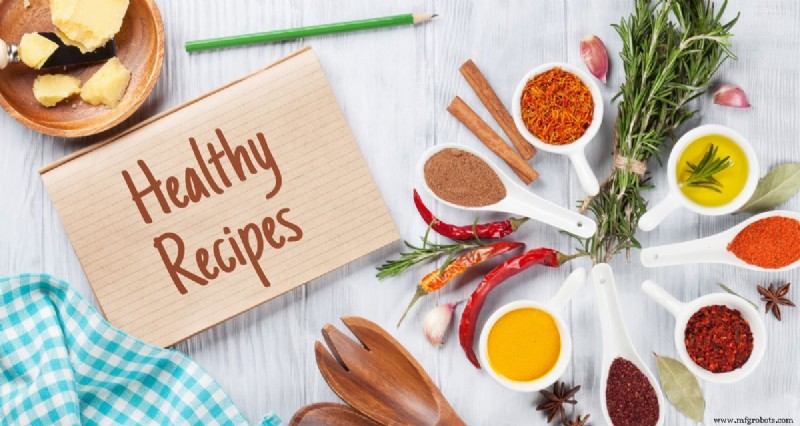
- Mace‑Spiced Apple Pie: A classic apple filling enhanced with mace, cinnamon, and nutmeg.
- Mace‑Spiced Carrot Cake: Moist carrot batter accented with mace, cinnamon, and nutmeg.
- Mace‑Spiced Rice Pudding: Creamy rice with warm spices, including mace and cinnamon.
- Mace‑Spiced Chai Latte: Traditional chai with an extra kick of mace.
- Mace‑Spiced Butternut Squash Soup: Rich, velvety soup featuring mace, ginger, and nutmeg.
Mace‑Spiced Carrot Cake Recipe
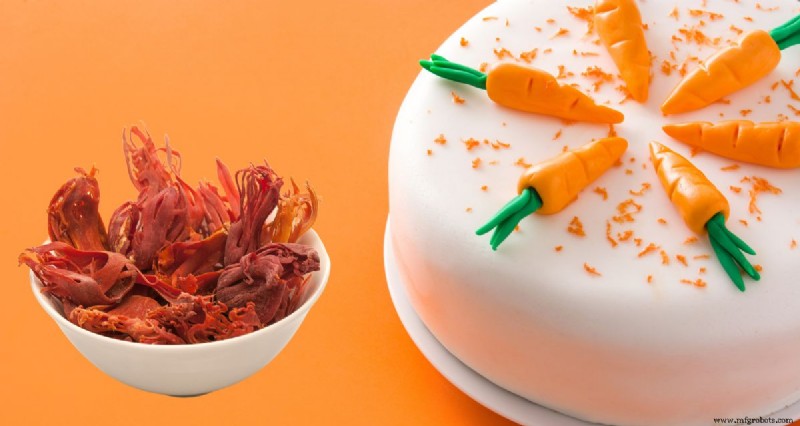
This moist carrot cake marries caramelized carrots with the aromatic blend of mace, cinnamon, and nutmeg, finished with a velvety cream‑cheese frosting that echoes the spice notes.
- Ingredients – Cake: 2 cups all‑purpose flour, 2 tsp baking powder, 1 tsp baking soda, 1 tsp ground cinnamon, ½ tsp ground nutmeg, ½ tsp ground mace, ¼ tsp salt, 1½ cups sugar, 1 cup vegetable oil, 4 eggs, 3 cups grated carrots.
- Ingredients – Frosting: 8 oz cream cheese, ½ cup unsalted butter, 2 cups powdered sugar, 1 tsp vanilla, ½ tsp ground mace.
Preheat oven to 350 °F (180 °C). Mix dry ingredients, beat sugar, oil, eggs, then combine. Bake 30–35 min; cool. Beat cream cheese, butter, sugar, vanilla, and mace until fluffy. Layer cake, apply frosting, chill 30 min, then finish with a final coat.
Mace‑Spiced Rice Pudding Recipe
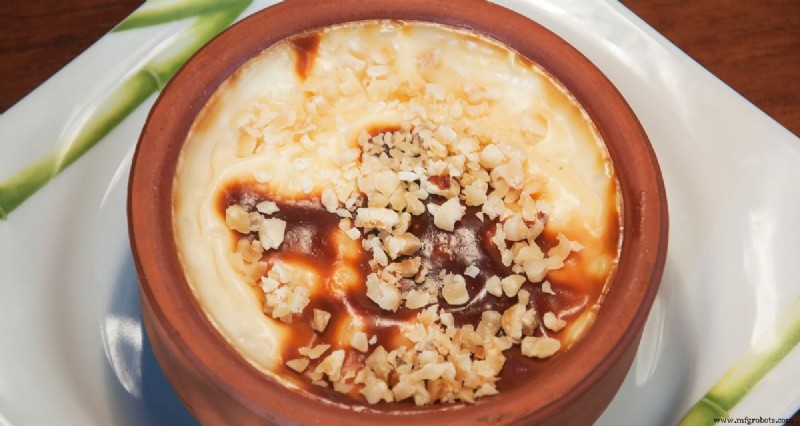
Simmer short‑grain rice in milk, sugar, and a blend of mace and cinnamon for a comforting pudding, served hot or chilled.
- Ingredients: ½ cup rice, 1 cup water, ¼ tsp salt, 4 cups whole milk, ½ cup sugar, ½ tsp cinnamon, ¼ tsp mace, 1 tsp vanilla.
Cook rice until tender. Warm milk, combine with cooked rice, sugar, cinnamon, and mace; simmer 30–35 min. Stir in vanilla, chill, garnish with cinnamon.
Mace‑Spiced Apple Pie Recipe

Layer sliced apples with sugar, flour, cinnamon, mace, and a pinch of salt, then encase in double crust for a fragrant, golden pie.
- Ingredients: 1 double crust, 6 cups sliced apples, ½ cup sugar, 2 Tbsp flour, 1 tsp cinnamon, ½ tsp mace, ¼ tsp salt, 1 Tbsp butter, egg wash.
Preheat to 375 °F (190 °C). Prepare crust, mix apples with spices, bake 45–50 min. Cool before serving.
Mace Spice Tea
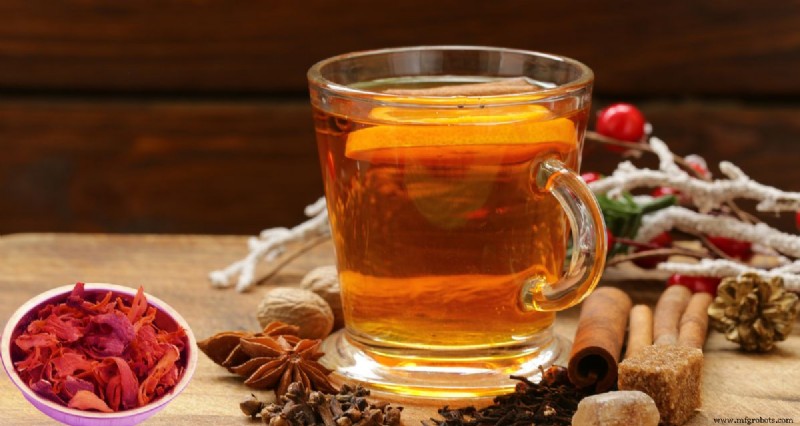
Blend mace, cinnamon, cardamom, cloves, and black tea for a soothing, caffeine‑free beverage. Sweeten with honey or sugar, add milk if desired.
- Ingredients: 2 cups water, 1 cinnamon stick, 4 cloves, 2 cardamom pods, ¼ tsp mace, 2 black tea bags, honey/sugar, ½ cup milk (optional).
Boil water, simmer spices 10 min, add tea bags 3 min, strain, sweeten, add milk, serve hot.
Mace‑Spiced Butternut Squash Soup
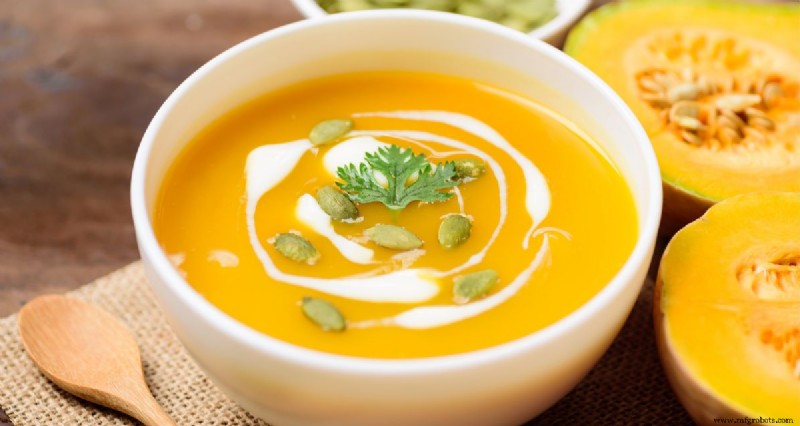
Roasted butternut squash, onion, and garlic simmered with broth and mace, ginger, nutmeg, finished with cream or coconut milk.
- Ingredients: 1 butternut squash, 1 onion, 2 garlic cloves, 4 cups broth, ¼ tsp mace, ¼ tsp ginger, ¼ tsp nutmeg, ½ cup cream/coconut milk, salt, pepper, olive oil.
Sauté aromatics, add squash, broth, spices, simmer 25–30 min. Blend, stir in cream, season, serve.
Substituting Mace in Recipes
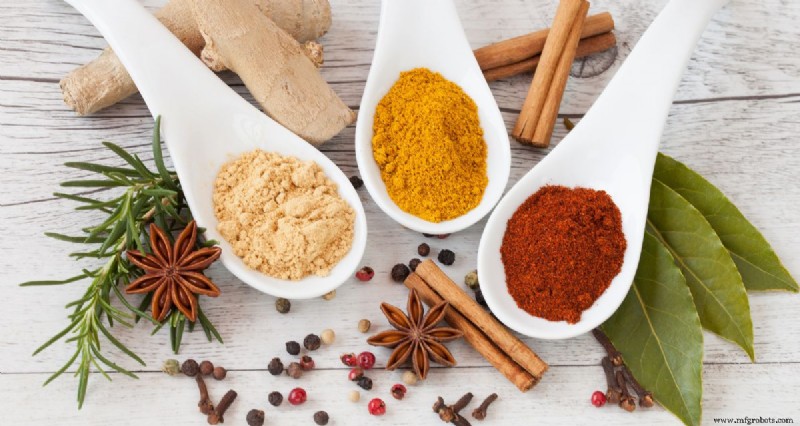
When mace is unavailable, these alternatives deliver similar warmth:
- Nutmeg: Use equal amount; closest flavor match.
- Cinnamon: Use half the quantity; sweeter profile.
- Allspice: Use half the amount; combines cinnamon, nutmeg, and cloves.
- Cloves: Use half the amount; potent, slightly sweet.
- Ginger: Use half the amount; adds sharp warmth.
Where to Purchase Mace Online
Reliable sources include:
- Amazon: Wide selection of whole and ground mace, user reviews to gauge quality.
- Spicy Organic: Hand‑picked, hand‑ground mace for maximum flavor.
- Walmart: Retailer offering whole, ground, and blends.
- Etsy: Independent sellers, organic options available.
- Frontier Co‑op: Organic and non‑organic varieties.
Always review seller ratings and product descriptions to ensure freshness and purity.
Conclusion
Mace spice’s rich heritage, health‑boosting properties, and culinary versatility make it a must‑have in any kitchen. From savory stews to fragrant desserts, its warm, aromatic profile elevates dishes while offering potential wellness benefits. Armed with this guide, you’re ready to explore mace’s full potential in your cooking and baking.
Disclaimer: The views expressed in this article are not a substitute for professional medical advice. Consult a healthcare provider before using mace for health purposes.
Spices
- Mace Spice Unveiled: History, Health Benefits, and Culinary Uses
- Elevate Your Dishes Naturally with Certified Organic Plant‑Based Spices & Herbs
- Using Onion Powder vs Fresh Onions: When It Works and Why It Matters
- Top 9 Proven Health Benefits of Organic Bay Leaves (With Expert Usage Tips)
- Functional Seasonings: The Rising Trend of Purpose‑Driven Spices
- Organic Whole Cloves: A Comprehensive Guide to Flavor, Nutrition, and Wellness
- Himalayan Pink Salt vs. Regular Sea Salt: What Sets Them Apart
- Bay Leaves vs. Basil Leaves: Key Differences & When to Use Each
- Ashwagandha: The Indian Herb That Helps You Burn Belly Fat and Boost Weight Loss
- Discover 9 Powerful Health Benefits of Organic Mace Spice