



Elevate Your Dishes Naturally with Certified Organic Plant‑Based Spices & Herbs
When we think of adding flavor to our meals, the default choices are often salt, sugar, or calorie‑dense sauces. A healthier, more natural alternative is to rely on plant‑based organic spices and herbs. These botanicals, grown without synthetic pesticides or fertilizers, provide robust flavor, aroma, and a host of health benefits without compromising your well‑being.
What exactly qualifies as a plant‑based organic spice or herb? It is any dried or ground plant material—such as basil, oregano, cinnamon, cumin, or turmeric—that is certified organic. Because they are cultivated free from chemical inputs, these spices retain higher concentrations of bioactive compounds.
Key advantages include a nutrient density packed with antioxidants. For instance, turmeric’s curcumin can reduce inflammation, while cinnamon’s polyphenols have been linked to lower blood‑sugar spikes and improved heart health. These properties arise from rigorous research—such as the 2022 review in the Journal of Nutrition that highlights curcumin’s anti‑inflammatory potency.
Beyond health, these spices enrich your palate. A pinch of dried oregano can instantly lend a Mediterranean zest to a salad, and a dash of cinnamon in oatmeal offers a comforting warmth that sweeteners cannot replicate. By integrating a small amount of any spice, you can create layered flavor profiles that elevate even the simplest dish.
How to Incorporate Plant‑Based Organic Spices and Herbs into Your Cooking: Practical Tips
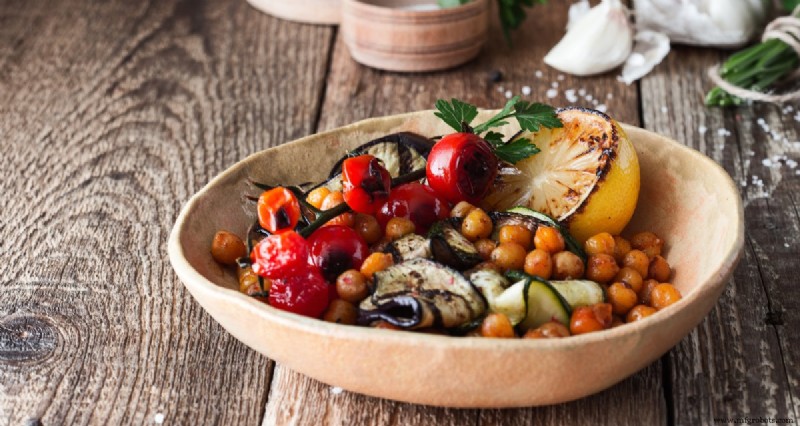
Here are evidence‑backed strategies to help you start or deepen your spice repertoire:
Begin with staples: If you’re new, try basil, oregano, cumin, and cinnamon. These are versatile and widely available.
Explore blends: Pre‑made mixes—such as curry powder, chili powder, or Italian seasoning—concentrate complex flavors and save prep time.
Pair sweet and savory: Cinnamon and nutmeg, often reserved for desserts, work beautifully in stews, curries, and roasted vegetables.
Choose between fresh and dried: Fresh herbs burst with aroma but have a shorter shelf life; dried herbs are convenient and long‑lasting. Use slightly less dried than fresh to avoid overpowering the dish.
Timing matters: Delicate spices (e.g., fresh basil) should be added near the end of cooking, while robust ones (e.g., cumin) can withstand longer heat.
By experimenting thoughtfully, you’ll discover flavor combinations that delight your taste buds and support health.
In short, plant‑based organic spices and herbs are a win‑win: they deepen flavor, reduce reliance on salt and sugar, and contribute antioxidant‑rich nutrition.
Health Highlights of Popular Organic Spices and Herbs
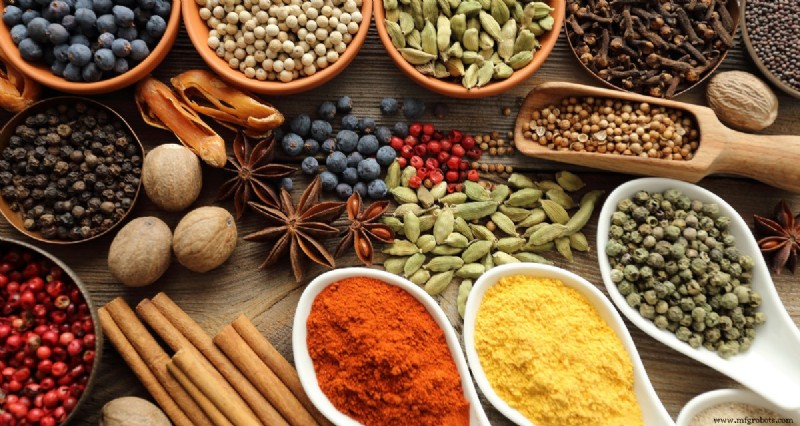
Below is a quick reference to some top choices and their notable benefits:
- Cinnamon: Rich in antioxidants, it can lower blood‑sugar levels and support cardiovascular health.
- Ginger: Known for easing nausea and offering anti‑inflammatory effects.
- Rosemary: Contains compounds that aid digestion and may enhance memory.
- Basil: Offers anti‑inflammatory and anti‑cancer properties via high antioxidant content.
- Turmeric: Curcumin delivers strong anti‑inflammatory and antioxidant benefits.
- Thyme: Exhibits antibacterial, anti‑inflammatory, and antioxidant effects.
- Oregano: Provides antimicrobial and anti‑inflammatory properties.
- Garlic: Packed with antioxidants that support immune function and may reduce cancer risk.
Remember: a modest amount goes a long way. Taste as you go and store spices in a cool, dry place to maintain potency.
Plant‑Based Recipes That Showcase Spices

Here are several crowd‑pleasing plant‑based dishes that spotlight these flavorful ingredients:
- Chickpea Curry: Simmer chickpeas in a tomato‑based sauce with cumin, coriander, turmeric, and chili powder.
- Roasted Vegetables: Toss carrots, bell peppers, and cauliflower with garlic powder, smoked paprika, and cumin before roasting.
- Lentil Soup: Combine lentils, diced tomatoes, cumin, coriander, turmeric, and ginger for a comforting bowl.
- Spicy Tofu Stir‑Fry: Season tofu with garlic powder, ginger, chili flakes, and black pepper; add broccoli, bell peppers, and carrots.
- Roasted Cauliflower: Drizzle cauliflower florets with olive oil, sprinkle cumin, turmeric, and paprika, then roast.
- Chana Masala: Cook chickpeas in a spiced tomato sauce with cumin, coriander, turmeric, and garam masala.
- Roasted Sweet Potatoes: Season with cinnamon, nutmeg, allspice, and optional chili powder for a savory twist.
- Vegan Chili: Blend chili powder, cumin, paprika, and a touch of cocoa or cinnamon for depth.
- Curry‑Roasted Carrots: Roast carrots with curry spices; finish with a drizzle of honey or maple syrup.
- Spicy Roasted Nuts: Toss nuts with cayenne, paprika, and garlic powder before roasting.
For reference, here’s a quick list of botanical sources:
- Cinnamon – bark of Cinnamomum cassia
- Turmeric – root of Curcuma longa
- Black pepper – fruit of Piper nigrum
- Cloves – bud of Syzygium aromaticum
- Cumin – seed of Cuminum cyminum
- Coriander – seed of Coriandrum sativum
- Nutmeg – seed of Myristica fragrans
- Cardamom – seed of Elettaria cardamomum
- Ginger – root of Zingiber officinale
- Fenugreek – seed of Trigonella foenum‑graecum
Where to Buy Certified Organic Spices
Choosing the right source ensures quality and sustainability. Consider these options:
- Online retailers: Amazon, Walmart, and specialized sites like Spicy Organic offer wide selections.
- Health‑food stores: Whole Foods, Sprouts Farmers Market, and Natural Grocers carry organic lines.
- Farmers’ markets: Support local producers who grow spices organically.
- Specialty spice shops: These stores often provide detailed sourcing information and a broader variety.
- Co‑ops: Natural food co‑ops may offer competitive prices and community‑focused sourcing.
Always check for USDA Organic, Non‑GMO Project Verified, and Fair Trade labels to confirm authenticity.
In summary, integrating organic plant‑based spices and herbs into your cooking elevates flavor, supports health, and encourages sustainable choices. Explore blends, experiment with flavor pairings, and enjoy the culinary and nutritional rewards.
Disclaimer: The views expressed in this article should not replace professional medical advice. Consult a healthcare provider before making dietary changes.
Spices
- Moringa, Turmeric, Cinnamon & Black Pepper: Enhancing Modern Medicine
- Black Pepper Seeds: Your Comprehensive Guide to the King of Spices
- Elevate Your Dishes Naturally with Certified Organic Plant‑Based Spices & Herbs
- Mace Spice Unveiled: History, Health Benefits, and Culinary Uses
- Ginger Powder: A Comprehensive Guide to Health Benefits, Culinary Uses, and Expert Recipes
- Using Onion Powder vs Fresh Onions: When It Works and Why It Matters
- 11 Proven Health Benefits of Organic Amla (Gooseberry) Powder
- Fenugreek Seeds: A Comprehensive Guide to Their Health Benefits and Culinary Uses
- Top 9 Proven Health Benefits of Organic Bay Leaves (With Expert Usage Tips)
- Turmeric: Culinary Mastery, Health Benefits, and DIY Dyeing Techniques