



Fenugreek Seeds: A Comprehensive Guide to Their Health Benefits and Culinary Uses
Fenugreek seeds (methi in Hindi) are small, golden‑brown kernels harvested from the fenugreek plant, native to India and the Mediterranean. For millennia, they have been prized in traditional medicine and as a flavorful spice across the world.
This article explores the scientifically supported health benefits of fenugreek seeds, their culinary versatility, practical uses, and safety considerations.
Health Benefits of Fenugreek Seeds
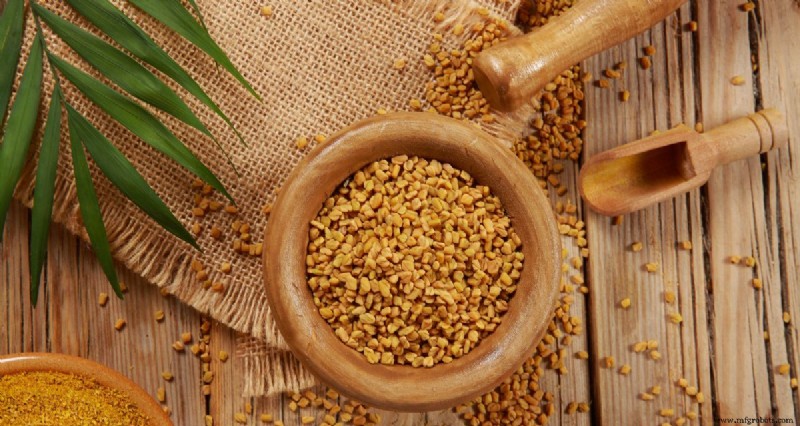
Fenugreek seeds are nutrient‑dense, providing essential vitamins, minerals, fiber, protein, and antioxidants. Their bioactive compounds—especially soluble fiber and saponins—contribute to several health effects documented in peer‑reviewed studies.
- Rich in Nutrients: A 30‑gram serving supplies iron, magnesium, manganese, protein, and dietary fiber, supporting overall nutrition.
- Blood Sugar Regulation: Soluble fiber slows glucose absorption, and studies (e.g., Journal of Nutritional Biochemistry) show a modest reduction in post‑prandial glucose and improved insulin sensitivity.
- Digestive Health: High fiber content promotes regular bowel movements and alleviates constipation, bloating, and other gastrointestinal discomforts.
- Milk Production: Phytoestrogens in fenugreek stimulate prolactin secretion, a natural lactation aid frequently used by nursing mothers.
- Anti‑Inflammatory: Saponins and flavonoids reduce inflammatory markers, offering relief for conditions such as arthritis.
- Testosterone Support: Research suggests fenugreek may modestly increase free testosterone, potentially benefiting libido and muscle mass.
- Satiety & Weight Management: The combination of fiber and protein encourages fullness, aiding in calorie control.
- Skin & Hair Health: Antioxidants protect skin from oxidative stress, while lecithin and nicotinic acid strengthen hair follicles and improve scalp circulation.
Fenugreek seeds can be incorporated into meals, brewed as tea, or taken as a supplement. Always discuss use with a healthcare professional, especially if you have chronic conditions or are on medication.
Culinary Versatility of Fenugreek Seeds

Its slightly bitter, nutty flavor enhances a wide range of dishes. Below are common culinary applications:
- Indian Cuisine: Ground or whole seeds are used in curries, stews, chutneys, and spice‑blended breads like naan and paratha.
- Middle Eastern Cuisine: Integral to spice blends such as za'atar and flavoring soups and stews.
- Ethiopian Cuisine: Key component of the berbere blend that seasons stews and sauces.
- Baked Goods: Ground seeds add subtle depth to breads, muffins, and crackers.
- Tea: Steeped in hot water for 10–15 minutes, the infusion offers a mild, earthy flavor and potential digestive benefits.
Common Uses of Fenugreek Seeds
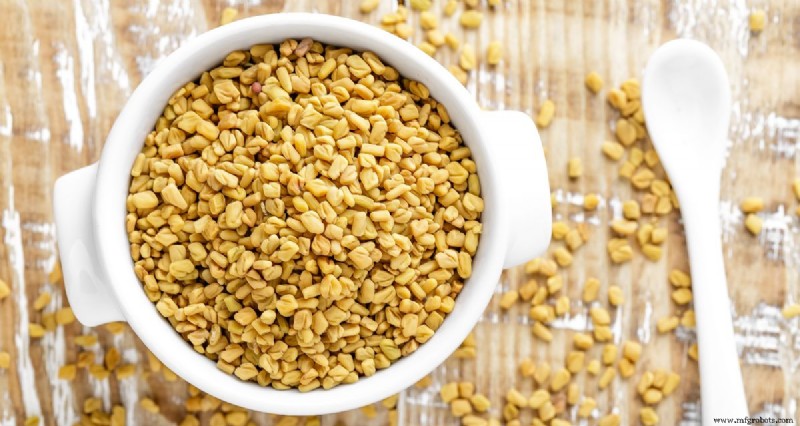
Beyond cooking, fenugreek seeds serve as a versatile herbal supplement and natural remedy:
- Herbal Supplement: Concentrated capsules or powders are marketed for blood sugar control, lactation support, and weight management.
- Tea & Sprouts: Daily tea or sprouted seeds add nutritional value and digestive aid.
- Skin & Hair Care: DIY masks and rinses capitalize on antioxidants and moisturizing properties.
- Breastfeeding Support: Traditional lactation aid; consult a lactation consultant before use.
- Traditional Medicine: Historically used for diabetes, inflammation, and digestive disorders; ongoing research continues to validate these claims.
Fenugreek for Hair Health

Fenugreek's protein, nicotinic acid, and lecithin content support hair growth and scalp health.
- Promotes Growth: Protein strengthens follicles; nicotinic acid enhances scalp circulation.
- Conditioning: Lecithin moisturizes hair, reducing frizz and improving shine.
- Dandruff Control: Antifungal properties help reduce scalp irritation.
- Soothing: Anti‑inflammatory compounds calm itchy or inflamed scalps.
Practical applications include a soaked seed paste, fenugreek‑infused carrier oil, or a fenugreek tea rinse. Patch‑test before regular use and consult a dermatologist if you have scalp conditions.
Fenugreek for Breastfeeding

While anecdotal evidence supports its lactation benefits, clinical trials are limited. Use the following approaches with caution:
- Supplements: Capsules or tea—start low, increase gradually, and monitor for side effects.
- Seed Consumption: Soaked seeds can be eaten or brewed; avoid excess to prevent digestive upset.
- Topical Oil: Apply diluted fenugreek oil to breasts in circular motions—avoid nipple contact.
Always discuss fenugreek use with a healthcare provider or lactation consultant, and remember it is an adjunct—not a replacement—for proper breastfeeding support.
Fenugreek for Diabetes Management
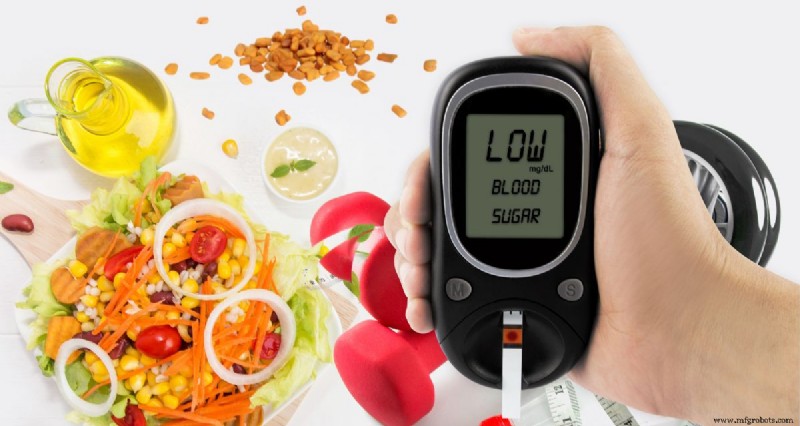
Several studies indicate that fenugreek seeds can lower post‑prandial glucose and improve glycemic control. Suggested practices include:
- Supplements: Follow label dosing; consult a diabetes educator before combining with medications.
- Tea: Steep seeds 10–15 minutes; drink before meals to modulate glucose spikes.
- Whole Seeds: Consume 5–10 grams before meals; avoid exceeding recommended amounts to prevent hypoglycemia.
- Topical Use: Limited evidence for skin application; focus on oral intake for metabolic effects.
Fenugreek may interact with antidiabetic drugs; professional guidance is essential.
Fenugreek for Weight Loss

Its high fiber and protein content can enhance satiety, reducing overall calorie intake. Incorporation tips:
- Supplements: Use according to manufacturer instructions; pair with a balanced diet.
- Tea: Consume before meals to curb appetite.
- Seeds: Add 5–10 grams to meals for a fiber boost.
- Topical Oil: No proven weight‑loss effect; use only for hair or skin benefits.
Fenugreek should complement lifestyle changes—diet, exercise, and medical guidance—not replace them.
Side Effects & Safety
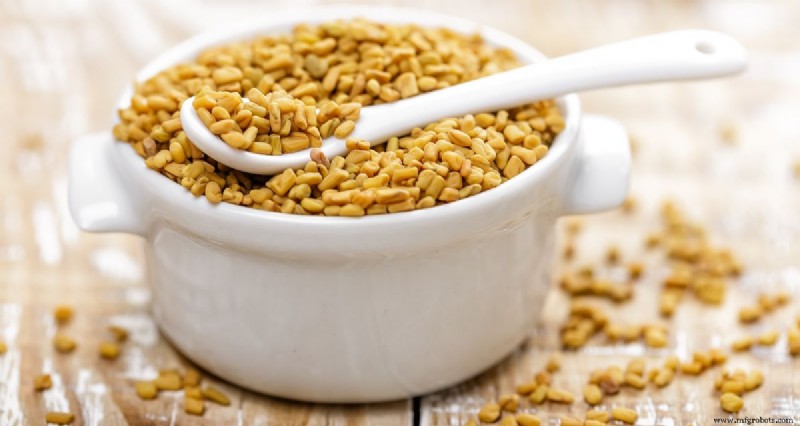
When consumed in moderation, fenugreek is generally safe. Potential adverse effects include:
- Gastrointestinal: Diarrhea, bloating, gas.
- Allergic Reactions: Itching, swelling, breathing difficulty—seek immediate care if symptoms occur.
- Hypoglycemia: Can lower blood sugar; caution for diabetics on medication.
- Hormonal Effects: May influence estrogenic activity; caution for hormone‑sensitive conditions.
- Pregnancy: Avoid during pregnancy due to potential uterine contractions.
- Drug Interactions: May interact with anticoagulants, antidiabetic drugs, and oral contraceptives.
Always consult a healthcare professional before starting fenugreek, especially if you have pre‑existing health conditions or are taking medication.
Fenugreek Powder
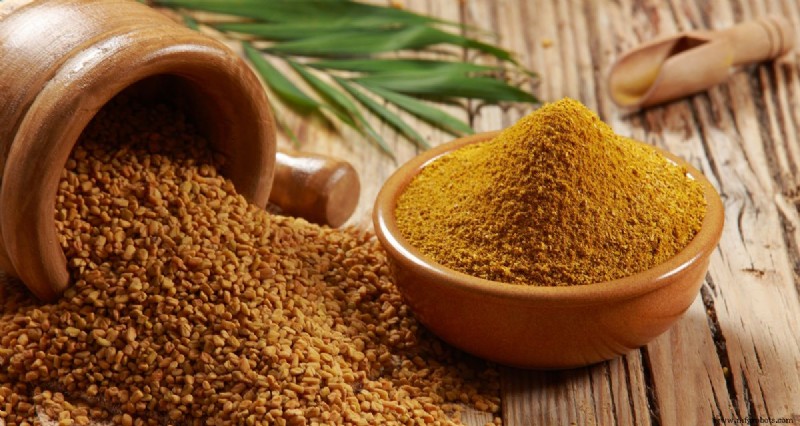
Ground seeds yield a fine, aromatic powder used in spice blends such as curry and berbere. Store in an airtight container in a cool, dark place to preserve potency.
Fenugreek Recipes
Below are select recipes showcasing the culinary flexibility of fenugreek seeds.
Methi Chicken Curry
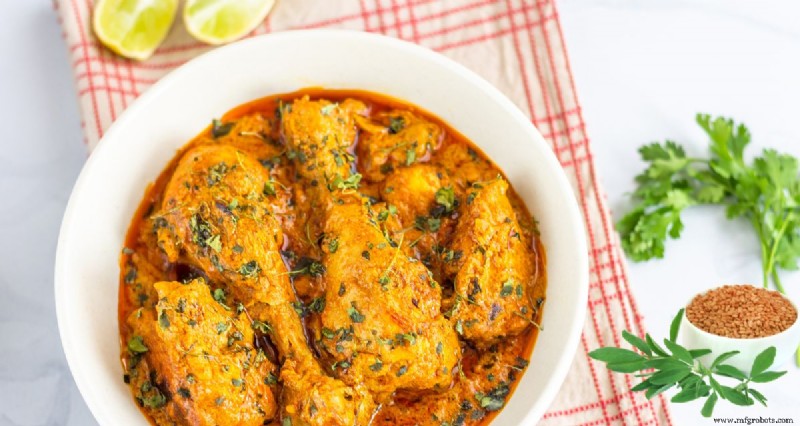
Ingredients:
- 1 lb boneless chicken, diced
- 1 onion, chopped
- 2 tomatoes, diced
- 2 garlic cloves, minced
- 1 tbsp grated ginger
- 1 tsp cumin seeds
- 1 tsp coriander powder
- 1 tsp turmeric powder
- 1 tsp red chili powder
- 1 tbsp fenugreek seeds
- Salt to taste
- 2 tbsp vegetable oil
- Water as needed
Instructions:
- Heat oil, add cumin seeds until aromatic.
- Sauté onion until translucent.
- Add garlic, ginger; cook 2 minutes.
- Add tomatoes; simmer until mushy.
- Introduce chicken; brown on all sides.
- Stir in coriander, turmeric, chili, fenugreek, salt.
- Pour enough water to cover; bring to boil.
- Reduce heat, simmer 20–25 minutes until chicken is tender.
- Serve hot with rice or naan.
Methi Paratha
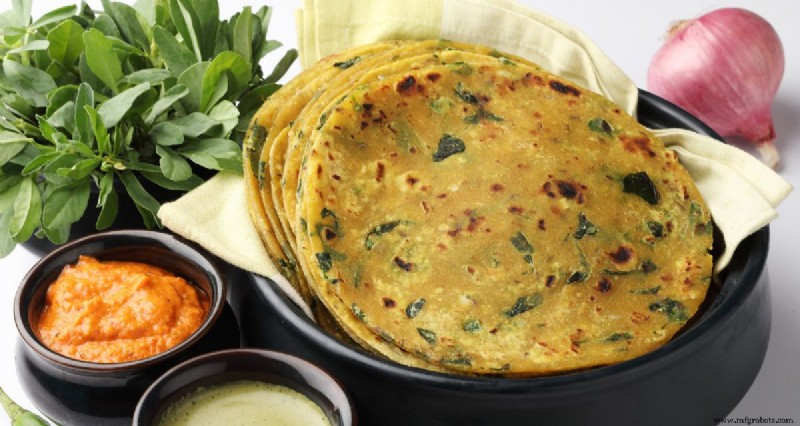
Ingredients:
- 2 cups whole wheat flour
- ½ cup fresh fenugreek leaves, chopped
- ½ tsp cumin seeds
- Salt to taste
- Water as needed
- Oil for cooking
Instructions:
- Combine flour, fenugreek leaves, cumin, salt.
- Gradually add water, knead into smooth dough.
- Rest dough 15–20 minutes covered with damp cloth.
- Divide into equal portions, roll into ¼‑inch discs.
- Cook on hot griddle, flip when brown spots appear.
- Brush with oil, serve with yogurt or chutney.
Methi Matar Malai
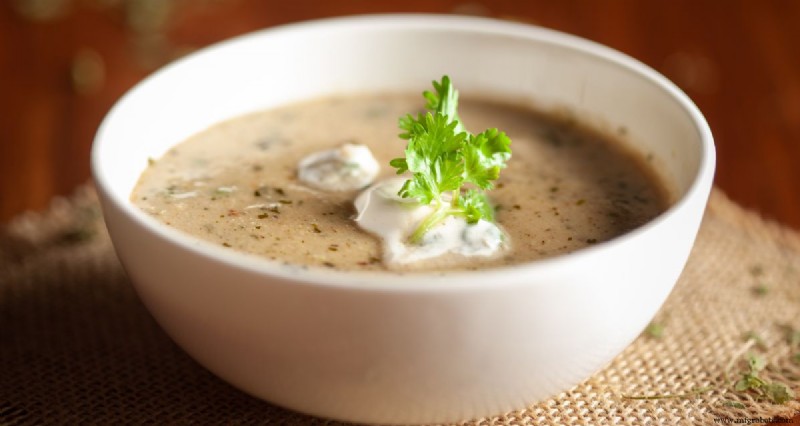
Ingredients:
- 1 onion, diced
- 1 tomato, diced
- 1 tsp cumin seeds
- 1 tsp coriander powder
- 1 tsp turmeric powder
- 1 tsp red chili powder
- 1 tbsp fenugreek seeds
- 1 cup peas
- ½ cup heavy cream
- Salt to taste
- 2 tbsp vegetable oil
- Water as needed
Instructions:
- Heat oil, add cumin seeds until crackle.
- Sauté onion till translucent.
- Add tomato; cook until soft.
- Stir in spices, fenugreek, salt.
- Add peas, water; boil.
- Simmer 10–15 minutes until peas are tender.
- Stir in cream, cook 2 minutes.
- Serve with rice or roti.
Fenugreek Seed Powder Laddoos
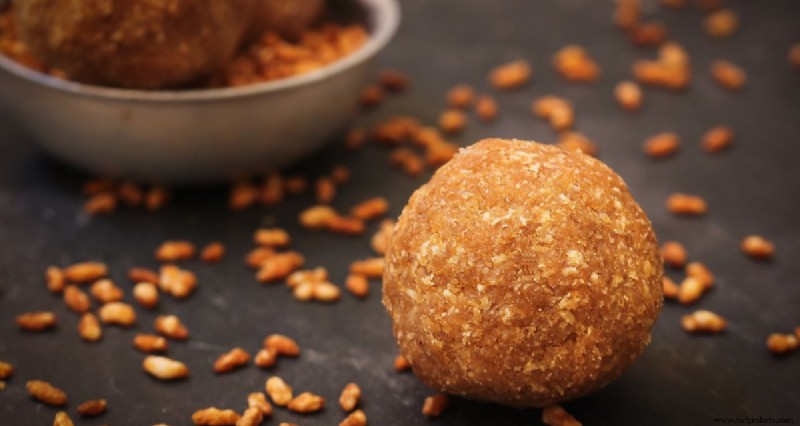
Ingredients:
- 1 cup fenugreek seed powder
- 1 cup grated jaggery
- ¼ cup ghee
- ¼ cup chopped nuts (optional)
- ¼ tsp cardamom powder
Instructions:
- Heat ghee, add fenugreek powder; roast 10–15 minutes until aromatic.
- Stir in jaggery, nuts, cardamom.
- Cool slightly, shape into balls.
- Store in airtight container up to one week.
Fenugreek Tea
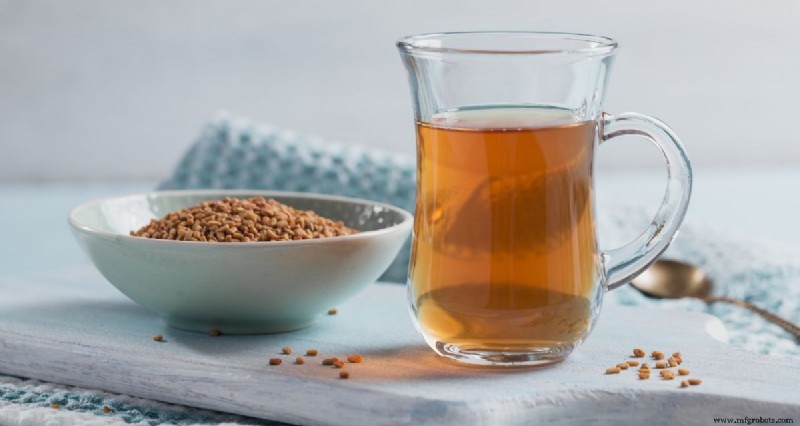
Ingredients:
- 1 tsp fenugreek seeds
- 1 cup hot water
- Honey or lemon, optional
Instructions:
- Place seeds in infuser or teapot.
- Pour hot water, steep 10–15 minutes.
- Strain, add honey or lemon if desired.
- Serve hot.
Fenugreek Seed Sprouts Salad
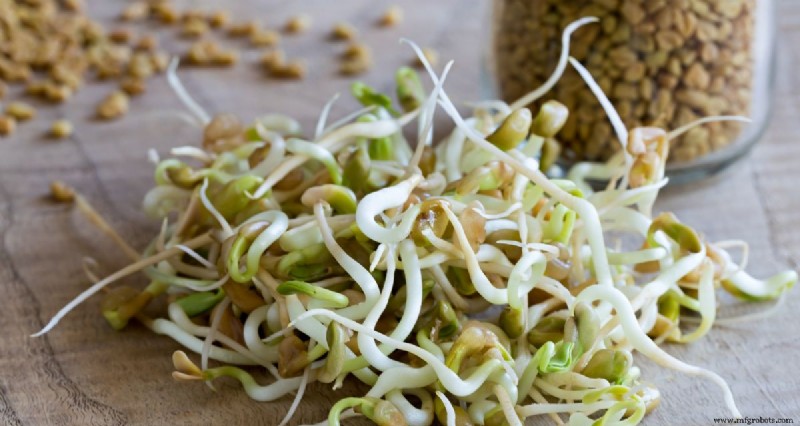
Ingredients:
- ½ cup fenugreek seeds
- ½ cup chopped cucumber
- ½ cup chopped tomato
- ½ cup chopped onion
- ¼ cup chopped cilantro
- Salt, pepper, lemon juice to taste
Instructions:
- Soak seeds overnight, rinse, and sprout for 2–3 days, rinsing twice daily.
- Drain and rinse sprouts.
- Combine with veggies, season with salt, pepper, lemon.
- Toss and serve chilled.
Where to Buy Fenugreek Seeds
Fenugreek seeds are available at health‑food stores, specialty spice shops, and reputable online retailers such as Amazon, Thrive Market, and iHerb. Verify organic certification and read customer reviews before purchase.
Conclusion
Fenugreek seeds combine a robust nutrient profile with proven health benefits—from blood sugar control and lactation support to anti‑inflammatory and weight‑management effects—while enriching a wide array of dishes across global cuisines. Whether you’re a seasoned chef or a health‑conscious consumer, incorporating fenugreek seeds into your routine offers both culinary delight and potential wellness gains.
Disclaimer: The information presented is for educational purposes only and does not replace professional medical advice. Consult a healthcare provider before starting any new supplement or herbal remedy.
Spices
- 11 Proven Health Benefits of Organic Amla (Gooseberry) Powder
- Elevate Your Dishes Naturally with Certified Organic Plant‑Based Spices & Herbs
- Moringa, Turmeric, Cinnamon & Black Pepper: Enhancing Modern Medicine
- Fenugreek Seeds: A Comprehensive Guide to Their Health Benefits and Culinary Uses
- Do Organic Clove Buds Provide Effective Relief for Toothache?
- How Red Paprika and Red Chili Powders Differ: A Comprehensive Guide
- Why Organic Black Pepper Is a Superfood: Health Benefits Explained
- Verify Turmeric Powder Purity at Home: A Practical Guide for Safe, High‑Quality Spice
- Grow Organic Garlic at Home: A Complete Guide for Fresh, Pesticide-Free Bulbs
- How to Use Dried Ginger Root: Tips, Health Benefits, and Culinary Ideas