



Cutting 3D Printing Material Costs: Unlocking ROI and Sustainability
When a new manufacturing technology emerges, its implementation cost is the first metric professionals scrutinize. In additive manufacturing (AM), controlling long‑term expenses is critical to ensuring a positive return on investment, even as the technology delivers transformative benefits.
One of the most significant cost drivers in AM is material. Metal 3D printing, for example, has become technically feasible but remains pricey, deterring widespread industrial adoption. Reducing material waste and optimizing usage therefore become essential components of a compelling business case.
Key Strategies to Lower Material Costs
- Design for Material Efficiency
Every solid volume directly inflates material spend. Where feasible, hollow or lattice structures reduce weight while preserving strength. - Minimize Support Structures
Support material is often printed from the same feedstock as the part, adding hidden cost. Modern CAD tools automatically generate optimized supports and suggest part orientations that cut support volume. Leveraging these features can lower material usage and print time. - Recycle Residuals
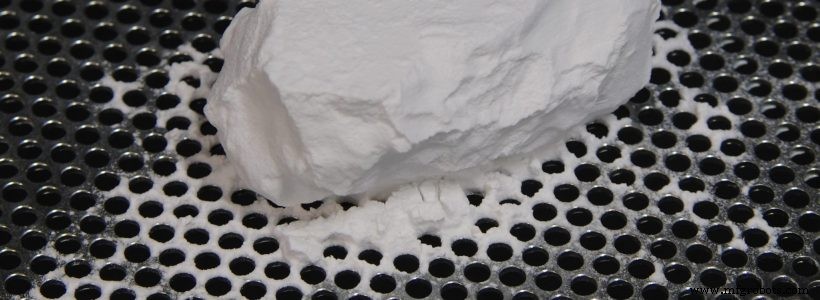
Unlike subtractive processes that produce scrap, AM can recover unused powder or filament. Powder recycling requires sieving to maintain particle size; ongoing research by Renishaw’s AM 250 line aims to reduce chemical changes during reuse. Filament recycling is promising for hobbyists but still unsuitable for industrial parts; nevertheless, the concept signals a path toward closed‑loop systems. - Track Build Failures
Failed prints waste time and material. Logging failures—ideally through automated sensors—identifies recurring issues, allowing pre‑emptive adjustments that prevent waste and improve overall throughput. - Embrace Sustainability for New Markets
Efficient, reusable AM processes can enable on‑site production in remote or mission‑critical environments. As material science evolves, we anticipate a wave of sustainable AM solutions that reduce costs and expand application horizons.
By integrating these practices, manufacturers can lower material expenses, enhance sustainability, and unlock new business opportunities that were previously unattainable.
3D printing
- How Extrusion Drives Precision in 3D Printing
- Why Glass Print Beds Deliver Superior 3D Printing Results
- The Hidden Costs of Ignoring Automation: How Industrial Firms Lose Profit, Jobs, and Flexibility
- Scalmalloy: A High‑Strength Aluminium‑Magnesium‑Scandium Alloy for Aerospace‑Grade Metal 3D Printing
- The ABCs of 3D Printing: How Additive Manufacturing is Shaping Modern Industry
- The True Cost of Crane Downtime: Reducing Hidden Losses
- Explore the 7 Main 3D Printing Methods: A Clear Guide for Beginners
- Understanding 3D Printing Costs: A Comprehensive Guide
- ASA in 3D Printing: A Durable, Weather‑Resistant Thermoplastic
- 4D Printing: Revolutionizing Additive Manufacturing for Adaptive Solutions