



Wire Arc Additive Manufacturing: A 2020 Guide to Large‑Scale Metal 3D Printing
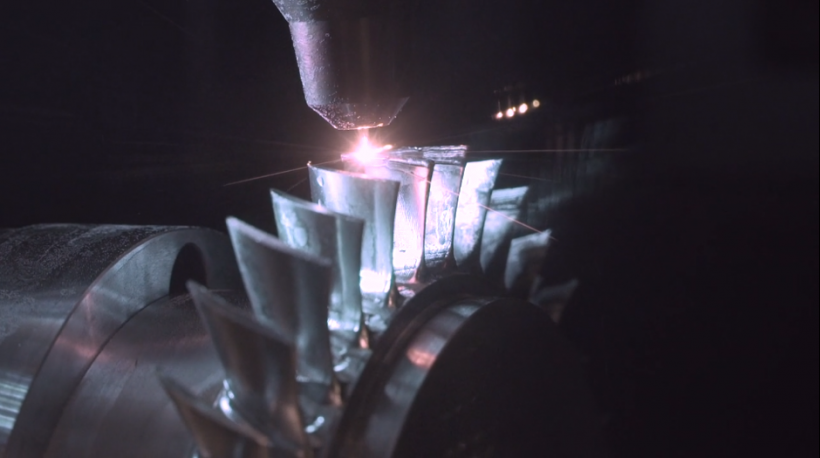
Wire Arc Additive Manufacturing (WAAM) is an emerging metal 3D‑printing technology that enables the fabrication of large, high‑strength parts across aerospace, marine, and energy sectors. Though less known than powder‑based systems, WAAM offers distinct advantages in scale, cost, and material versatility.
How WAAM Works
WAAM is a Direct Energy Deposition process that uses an electric arc to melt a continuous metal wire. A robotic arm feeds the molten wire onto a base plate, building the part layer by layer. The deposited metal solidifies into beads that fuse together to form each layer.
Because the process is welding‑based, WAAM can operate on any wire‑form metal that is weldable—stainless steel, nickel‑based alloys, titanium, aluminium, and more.
Benefits of WAAM
- Large‑Scale Production – The robotic arm’s reach, not a powder bed size, limits part dimensions. WAAM can create components several metres long, a feat beyond most powder‑bed fusion machines.
- Lower Material & Equipment Costs – Wire feedstock is far cheaper than metal powder, and WAAM hardware often uses off‑the‑shelf welding equipment.
- High Density & Mechanical Strength – 100 % dense input wire yields parts with minimal porosity, matching the performance of conventionally manufactured parts.
- Repair & Maintenance – WAAM can rebuild worn features on turbine blades, moulds, and dies, reducing the need for complete replacement.
Limitations
- Residual Stress & Distortion – High temperatures can induce stresses that deform the part; active cooling or post‑processing is often required.
- Shielding Requirements – Alloys like titanium need an inert gas atmosphere, limiting part size and adding cost.
- Surface Finish – WAAM produces near‑net‑shape parts that typically require machining for final tolerances.
Key Players & Success Stories
WAAM3D
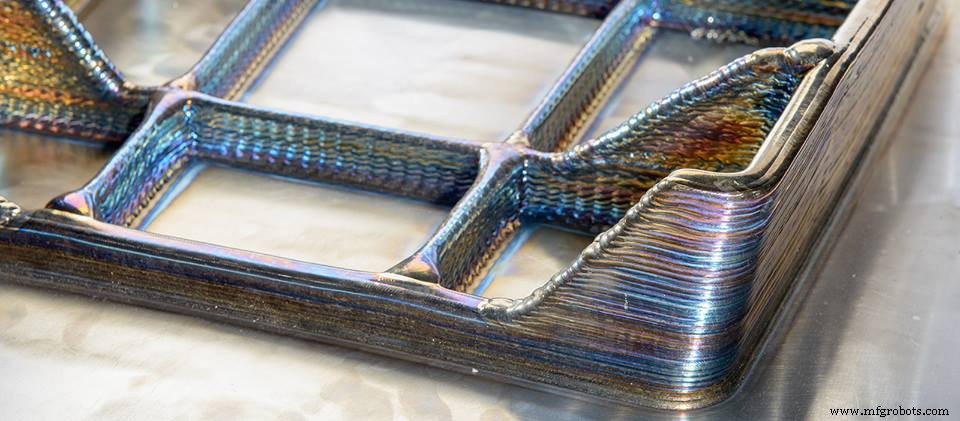
Founded in 2018, WAAM3D commercialises Cranfield University IP to address the supply‑chain gap—software, hardware, materials, and services. Their portfolio includes a 2.5 m × 1.5 m titanium rear frame for BAE Systems’ Eurofighter Typhoon and a 1 m titanium pressure vessel for Thales Alenia Space that saved over 200 kg per unit and cut lead time from months to days.
AML3D
Established in 2014 by former Cranfield student Andrew Sales, AML3D delivers WAAM‑fabricated stainless‑steel wear rings for marine vessels. The company achieved certification from Lloyd’s Register in 2019 and reduced part lead times from 6–8 weeks to just days, enabling rapid ship‑in‑port repairs. Plans are underway to open a Singapore production facility to serve the regional shipping hub.
Ramlab (Port of Rotterdam)
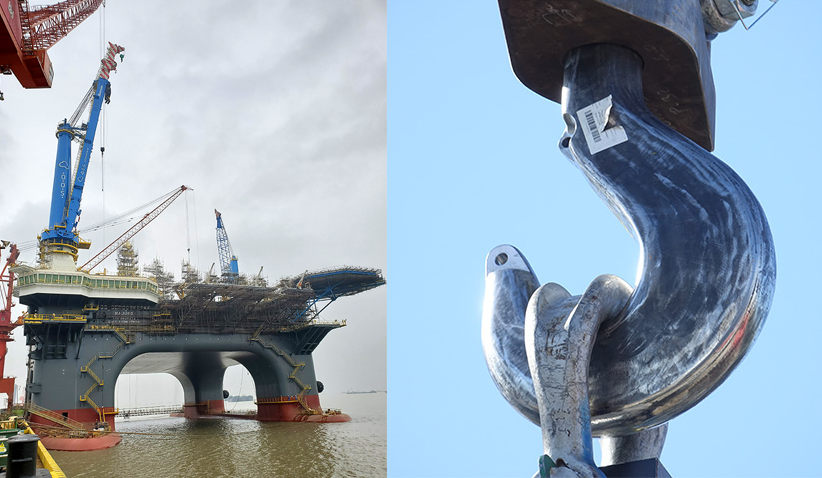
Ramlab’s WAAMpeller—298 layers of nickel‑aluminium bronze—was 400 kg and completed in seven months, demonstrating WAAM’s potential for large marine components. The lab also 3D‑printed a 36,000 kg offshore crane hook for Huisman Equipment, accelerating production from nine months to two months.
MX3D
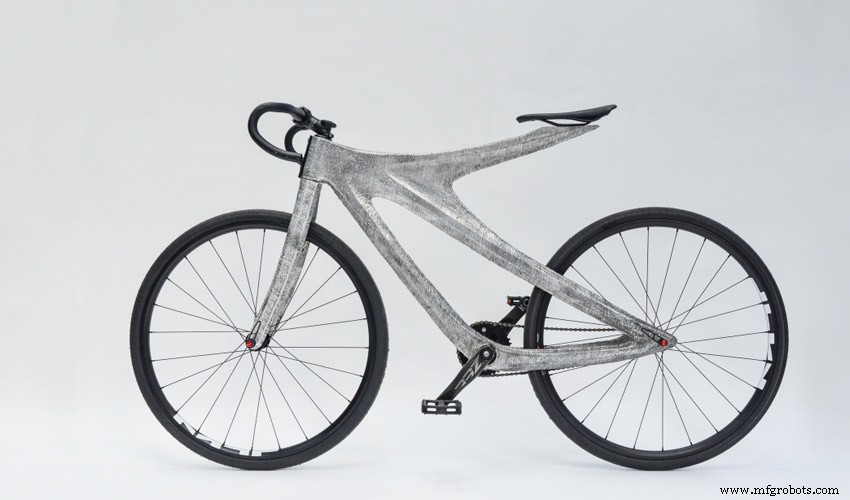
MX3D pioneered WAAM with a steel bridge and later printed an aluminium bike frame in under 24 hours, showcasing high build speeds and generative‑design integration.
Gefertec
Gefertec’s 3DMP® system can produce parts up to 3 m³ and 3,000 kg. Its hybrid 3‑axis setup allows immediate post‑printing machining. Gefertec printed a locomotive wheel‑set bearing cover—traditionally a nine‑month supply chain—within two months, illustrating WAAM’s rapid prototyping capability.
Conclusion
As the demand for large, complex metal components grows, WAAM’s unique combination of scale, cost efficiency, and material performance positions it as a viable alternative to traditional manufacturing and other additive technologies.
3D printing
- Choosing a Metal Powder Supplier: 5 Expert Questions for Additive Manufacturing Success
- Top Metal 3D Printing Materials: Unlocking Additive Manufacturing’s Potential
- Metal Additive Manufacturing: Key Insights for Modern Production
- 5 Essential Metal Additive Manufacturing Facts for Small and Medium‑Sized Manufacturers
- Mastering Metal 3D Printing: A Comprehensive Guide
- Additive Manufacturing: Driving Innovation and Cost Efficiency in Aerospace
- Metal Additive Manufacturing: Transforming Production for Aerospace and Beyond
- Additive vs. Subtractive Manufacturing: Unlocking the Future of Production
- Metal Additive Manufacturing: The Cutting-Edge Trend Shaping Modern Production
- Exploring Metal Additive Manufacturing: A Beginner’s Guide to Direct Metal Laser Sintering (DMLS)