



Electron Beam Melting (EBM): A Comprehensive Guide for Industry Professionals
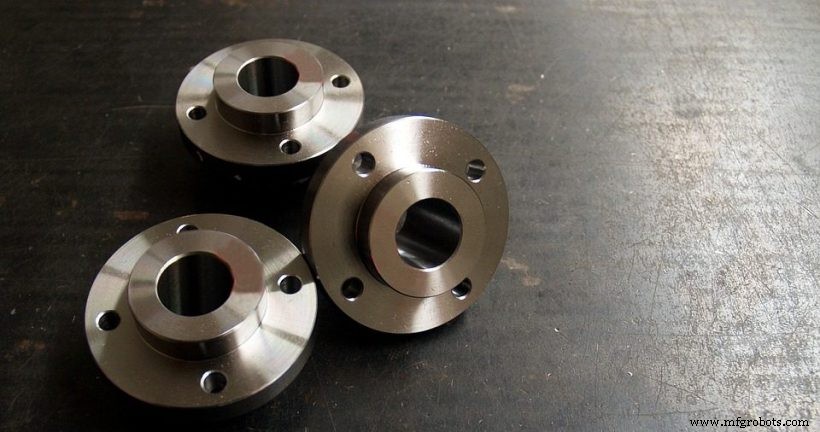
Electron Beam Melting (EBM) is a cutting‑edge metal additive manufacturing process that uses a focused electron beam to fuse powdered metal into solid components. Launched by Swedish company Arcam (now part of GE Additive) in 1997, EBM is renowned for producing lightweight, high‑density parts that meet the stringent performance standards of aerospace, medical, and defense sectors.
In this article we examine the EBM workflow, its key advantages and limitations, the materials it supports, and the industries that benefit most from this technology.
How Electron Beam Melting Works
Like other powder‑bed fusion methods—such as Selective Laser Sintering (SLS) and Direct Metal Laser Sintering (DMLS)—EBM builds objects layer by layer. The critical difference lies in its heat source: a high‑power electron beam, which is several times more energetic than the lasers used in competing systems. This results in faster build times and a distinct thermal profile that influences part quality.
- The build plate is uniformly coated with a thin layer of metal powder.
- During pre‑heating, the electron beam selectively melts the powder in the areas defined by the CAD geometry.
- Once the layer solidifies, a new powder layer is added and the beam fuses it to the previous layer.
- The cycle repeats until the part reaches its final shape. Excess powder is then removed, and the component undergoes any required post‑processing.
Printing occurs in a high‑vacuum chamber to eliminate oxidation and contamination, ensuring superior material integrity.
Advantages of EBM
- High‑Speed Build Times – The powerful electron beam and multi‑beam configuration allow rapid material deposition, reducing cycle time compared to laser‑based systems.
- Exceptional Part Quality – EBM produces components with mechanical properties comparable to conventional casting and forging.
- Ultra‑High Density – Pre‑heating and high operating temperatures yield parts that exceed 99% density, minimizing residual stresses and often eliminating the need for support structures.
- Material Recyclability – Unused powder can be re‑ground and reused, lowering overall material waste and cost.
Limitations of EBM
- Material Constraints – The process requires conductive, high‑purity powders; currently the portfolio is limited to a handful of alloys.
- Cost – Both the equipment and the premium powders make EBM a high‑end solution best suited for specialized industrial applications.
Materials Compatible with EBM
EBM is most effective with conductive metal powders such as titanium alloys (e.g., Ti‑6Al‑4V), cobalt‑chrome, high‑strength steels, and nickel alloy 718. The technology also uniquely enables the fabrication of titanium aluminide (TiAl), prized for its lightweight strength and high‑temperature tolerance—although TiAl is susceptible to cracking if not carefully processed.
Key Applications
EBM’s ability to create complex, high‑strength geometries makes it indispensable in the following sectors:
- Medical Implants – Custom trabecular scaffolds and orthopedic devices that match patient anatomy. Companies like LimaCorporate pioneered the use of EBM in orthopedics.
- Aerospace Components – Weight‑saving parts such as turbine blades and structural brackets. GE Additive, for instance, 3D‑prints turbine blades for jet engines using EBM.
- Defense and High‑Performance Engineering – Parts requiring exceptional fatigue resistance and corrosion tolerance.
Conclusion
While EBM remains a premium technology due to its material and equipment costs, its proven track record in producing dense, high‑performance metal parts positions it as a cornerstone of modern additive manufacturing. With the recent introduction of the Arcam EBM Spectra H, the technology is poised for broader adoption across additional industrial domains.
3D printing
- Passivation in Metalworking: A Technical Guide to Corrosion Protection
- Metal Fabrication Fundamentals: Processes, Techniques, and Applications
- A Primer on Vacuum (Electron) Tubes: Foundations of Modern Electronics
- Direct Metal Laser Sintering: A Professional Guide to Metal 3D Printing
- Electron Beam Melting (EBM): A Comprehensive Guide for Industry Professionals
- Mastering Metal 3D Printing: A Comprehensive Guide
- Professional Guide to Melting Metal in a Foundry: Techniques, Temperatures & Safety
- Metal Detector Circuits Explained: A Professional Guide
- Comprehensive Overview of Metal Fabrication Techniques
- Metal Cutting Circular Saw: A Comprehensive Guide