



Carbon Performance: Revannth Murugesan on Racing Innovation, 3D Printing, and AI‑Driven Components
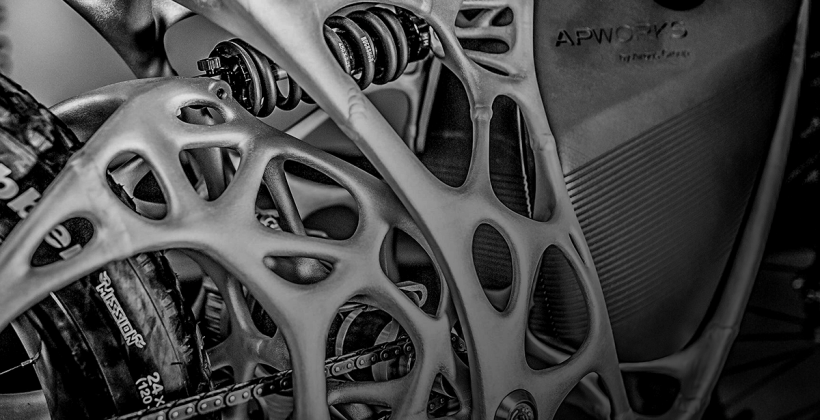

Performance racing thrives on relentless innovation. In a sport where speed and precision are paramount, engineering excellence is non‑negotiable. Additive manufacturing (AM) is emerging as a key catalyst for this evolution.
Carbon Performance, a UK‑based startup, harnesses AM to produce high‑performance automotive components. By integrating artificial intelligence and blockchain, the company aims to deliver the next generation of smart, sustainable automotive parts.
We spoke with Managing Director Revannth Murugesan to uncover how AM is reshaping motorsports and to understand the company’s vision.
Could you tell me a bit about Carbon Performance?
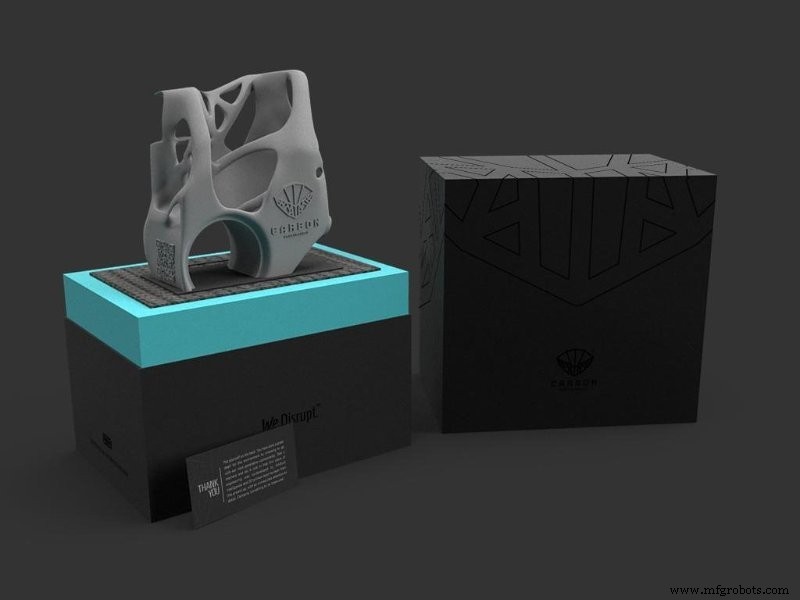
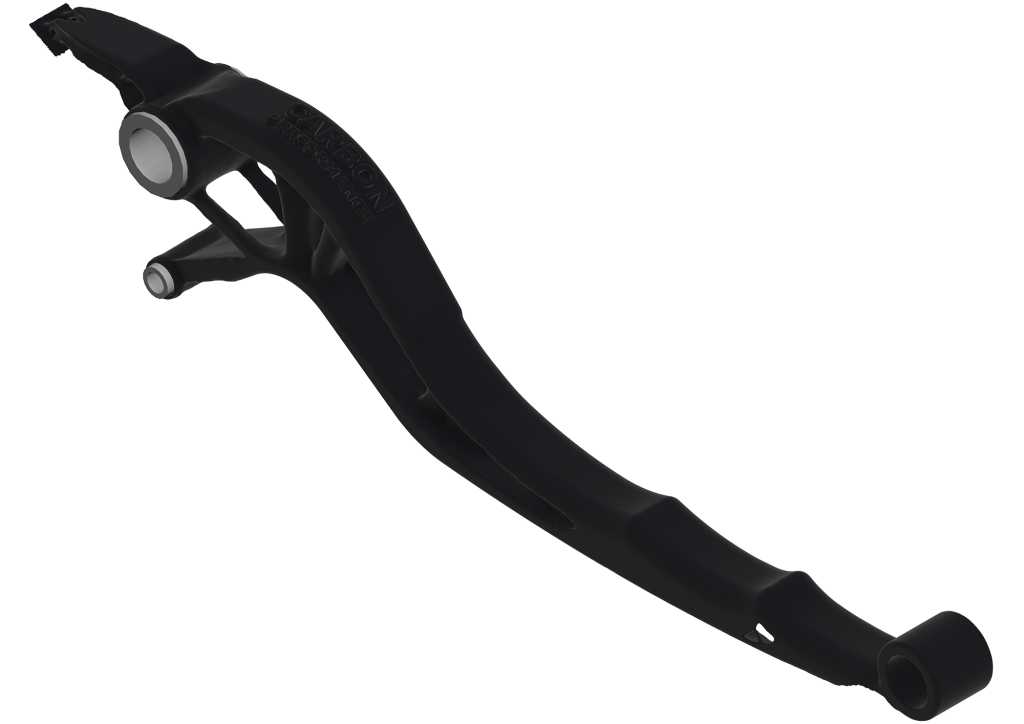
Carbon Performance is the world’s first automotive consumer‑technology brand built entirely around additive manufacturing. Our mission is to bridge the gap between AM technologies and the consumer market. Using AM, we design and manufacture high‑performance components—such as suspension uprights and brake calipers—for the automotive industry. While AM offers vast potential from prototyping to final production, many benefits have yet to reach end consumers. Carbon Performance is working to bring those advantages to market.
What is the vision behind Carbon Performance?
Having spent years in the automotive sector, we recognise the urgent need to curb global carbon emissions. We use AI and 3D printing to address environmental impacts and streamline component production. Our twofold goal is: 1) reduce manufacturing’s ecological footprint, and 2) bring advanced manufacturing back to the UK.
What benefits does additive manufacturing bring to performance racing?
AM directly enhances performance. For suspension components, traditional subtractive methods involve machining a solid block of metal, which adds unnecessary weight. With AM, our suspension parts are 25% lighter, reducing unsprung mass and improving lap times. We currently achieve 8–10% material waste but aim to eliminate waste entirely. Additionally, lighter components translate to better fuel efficiency. In real‑world testing, our AM parts can shave six seconds off an 80‑lap sprint—a margin that can decide championships.
How has additive manufacturing evolved over the years?
When I first owned a 3D printer as a teenager, the field was nascent; options were limited and materials like ABS were premium. Today, the ecosystem has expanded to include industrial AM processes such as SLA, SLS, and metal printing. The industry is growing at a 38% CAGR, with thousands of manufacturers, service bureaus, consultancies, and material suppliers. Carbon Performance pushes this technology into consumer‑facing products, breaking the perception that AM is only for niche applications.
How do you use generative design and optimisation tools, and what benefits do they bring?
Generative design remains early but powerful. We employ it to craft radical, lightweight solutions—often reducing weight by 40% or more. By integrating lattice and topology optimisation, we achieve components that are both lighter and stronger, directly enhancing performance.
How does Carbon Performance combine AI and blockchain with 3D printing?
AI is a broad umbrella; generative design is a form of AI that automates design generation. We are developing our own generative design platform, slated for completion in 2020—making it the UK’s second such solution. Blockchain addresses security, protecting intellectual property and preventing unauthorized access to STL files. In beta, we use blockchain to distribute encrypted STL files to trusted partners worldwide, ensuring only authorised recipients can download them. While the technology is nascent, we anticipate blockchain will evolve into a robust storage solution within 5–10 years.

Why is security so critical?
Unlike traditional manufacturing, AM can expose designs via open‑source files, enabling unauthorized replication. This raises IP theft, counterfeit production, and safety risks—particularly critical for safety‑critical parts like brake calipers. Robust security protects both performance integrity and consumer trust.
Can you share any client success stories?
We’re collaborating with a Manchester organisation to produce the world’s first 3D‑printed electric go‑kart, slated for release in six months. In Kent, a racing team adopted our Ducati swing arm design, generating 250 orders to date.
How will additive manufacturing change in the next five years?
Innovation hinges on people and technology. The UK currently lacks widespread design‑for‑AM expertise. Institutions like the University of Sheffield’s AMRC and the Manufacturing Technology Centre (MTC) are addressing this gap, and we support STEM training for students in DfAM and generative design. The demand for these skills, especially in consumer applications, is surging.
What challenges do you foresee?
Key challenges include: 1) IP protection, 2) enforcing consistent manufacturing standards across diverse machines, 3) material availability and property consistency, and 4) scaling from low‑volume, high‑value production typical of motorsports to high‑volume, low‑value manufacturing. We estimate it will take about 20 years for AM to mature into a high‑volume model.
What does 2019 look like for Carbon Performance?
In 2019, our components will appear in consumer vehicles, gaining trust from industry veterans. We aim to dismantle the stereotype that automotive components must be static, fixed parts. Our ecosystem includes QR codes embedded in components to reveal specifications, and we’re developing life‑sensors for motorsports that provide real‑time data on stresses. We plan to enter the North American market in March and currently have 50 applications in the pipeline.
Where is the adoption rate of AM in performance racing?
Adoption is still evolving. While McLaren uses AM machines for trackside fitment, full-scale manufacturing remains limited due to material and process inconsistencies. We anticipate another five years before performance racing fully embraces AM as a standard manufacturing method.
To learn more about Carbon Performance, visit: www.carbonperformanceltd.com.
3D printing
- Interview with Spencer Wright of pencerw.com and nTopology: Expert Insights on Metal Additive Manufacturing
- Dr. Alvaro Goyanes of FabRx on 3D‑Printed Medicines: From Innovation to Personalised Care
- How 3D Printing Reduces Manufacturing Costs: 6 Proven Strategies
- How 3D Printing Drives Innovation in Formula One – 5 Key Trends
- Carbon Performance: Revannth Murugesan on Racing Innovation, 3D Printing, and AI‑Driven Components
- How Graphite AM’s Jonathan Warbrick Drives Success in Industrial 3D Printing
- Interview with Eckhart Additive Manufacturing Engineer Robert Heath: 3D Printing, Automation & Industry 4.0
- Agile Manufacturing & 3D Printing: A Guide to Rapid, Custom Production
- Revolutionizing Medicine & Dentistry: The Power of Additive Manufacturing
- Creating High-Quality Prototypes Using 3D Printing