



5 Proven Ways Real‑Time Production Visibility Elevates Additive Manufacturing Operations
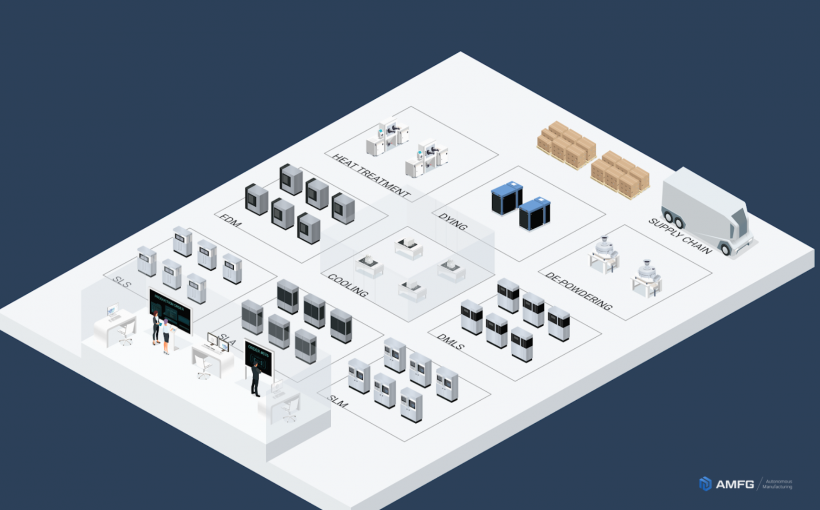
Do you ever feel lost on the production floor, unsure where bottlenecks are hiding?
Many additive manufacturing (AM) teams struggle because they lack a clear, real‑time view of their operations. The digital complexity of AM demands flexible, data‑driven control, yet outdated tools—paper, spreadsheets, legacy systems—still dominate many shops.
What could your company achieve with a fully integrated visibility solution? Below are five concrete ways digital visibility transforms AM workflows.
1. Boost Productivity with OEE Insight
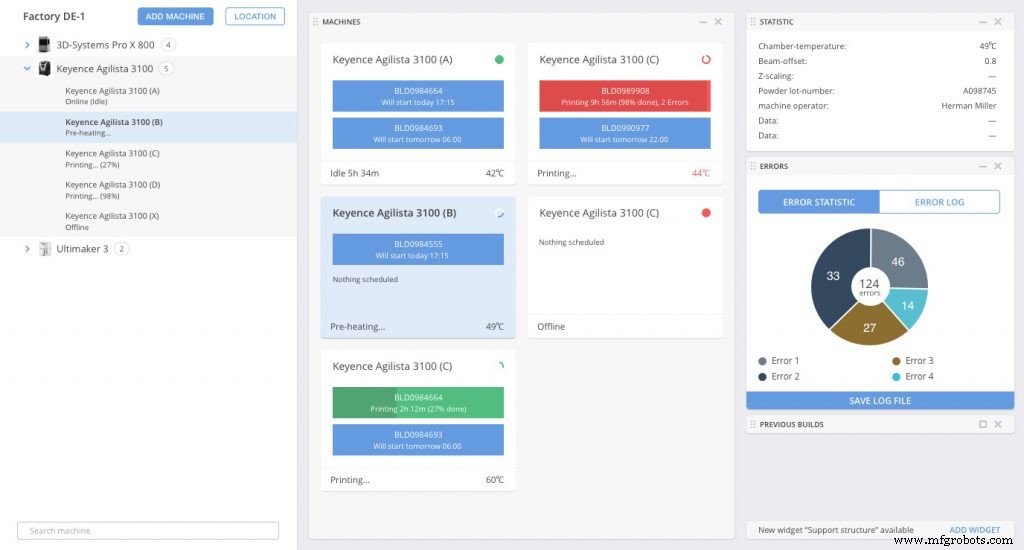
Real‑time dashboards let managers see each machine’s Overall Equipment Effectiveness (OEE) as it happens. Armed with live data, teams can spot under‑performing equipment, adjust parameters, and keep OEE high. The result: smoother scheduling, fewer idle hours, and a noticeable lift in throughput across the entire facility.
2. Gain Demand‑Capacity Clarity
Whether you manufacture in‑house or serve as a contract AM provider, understanding your true capacity is vital. Visibility gives you a complete view of machine utilisation, lead times, and process flow, enabling accurate production planning and preventing over‑commitment that can jeopardise delivery schedules.
3. Establish a Single Source of Truth
Questions like “Who modified the CAD file?” or “Which material batch was used?” should be answered instantly. A visibility platform logs every file version, material lot, and inspection record, erasing blind spots and giving teams instant audit trails.
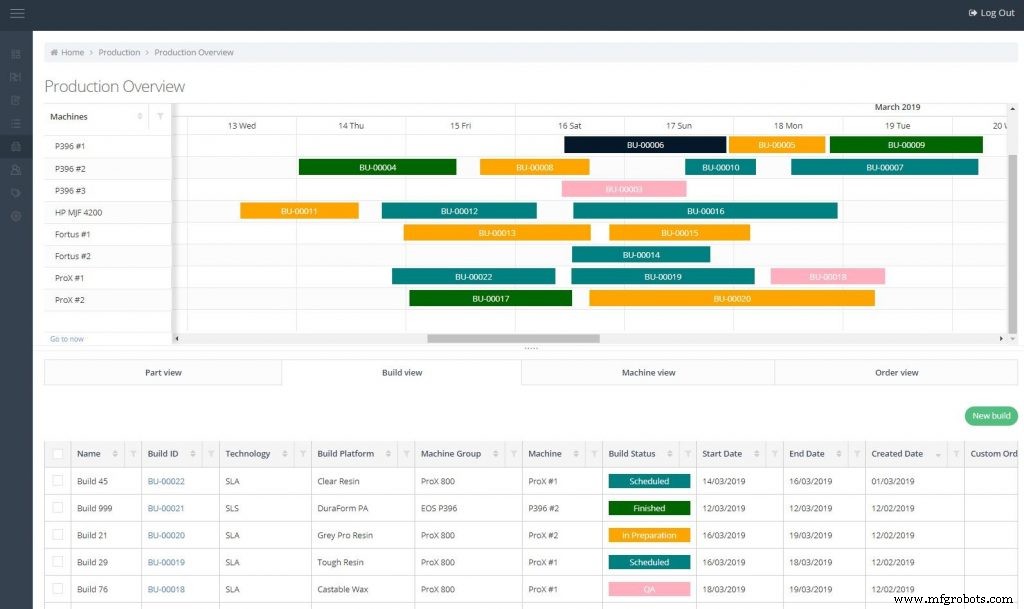
File versioning and traceability cut manual renaming and duplicate handling, saving hours of administrative work while ensuring quality control.
4. Reduce Costly Errors Early
Defects on the build plate mean lost time and money. Legacy data collection—paper, spreadsheets, ERP back‑ups—creates blind spots that let errors slip through. Digitised, real‑time data collection pinpoints issues immediately, allowing rapid corrective action before a defective part reaches the customer.
By eliminating manual entry and leveraging workflow‑specific data, you cut rework costs and protect your reputation.
5. Drive Continuous Improvement
With visibility, you can monitor key metrics—print failure rates, cycle times, operator performance—and identify improvement levers backed by data. Real‑time dashboards feed operators and managers back into the loop, accelerating iterative optimisations and sustaining gains.
The Key to Real‑Time Production Visibility in Additive Manufacturing
So how do you close those blind spots? The answer lies in a Manufacturing Execution System (MES) tailored for AM. An MES centralises orders, projects, production, and post‑processing, offering a unified view that empowers proactive task management, capacity assessment, quality assurance, and productivity gains.
Ready to elevate your AM production with real‑time visibility?
Let’s talk.
3D printing
- Outsourcing Industrial Maintenance: When to Hand Over Part or All of Your Operations
- 7 Powerful Ways AI Is Transforming Manufacturing
- How Digital Inventory Enhances Additive Manufacturing: 4 Key Advantages
- Three Ways Connectivity Drives Efficiency in Additive Manufacturing
- 5 Proven Ways Maintenance Teams Can Boost Production Efficiency
- Building a Strong Operations‑Maintenance Partnership for Sustainable Production
- 3 Proven Ways GrabCAD Optimizes 3D Printing Workflows
- How RFID Enhances Inventory and Production Visibility in 5 Key Ways
- 4 Proven Strategies to Accelerate Growth in Manufacturing Operations
- 4 Proven Ways Yaskawa Robotics & Software Resolve Production Challenges Instantly