



How On-Demand Additive Manufacturing Enhances Supply Chain Resilience
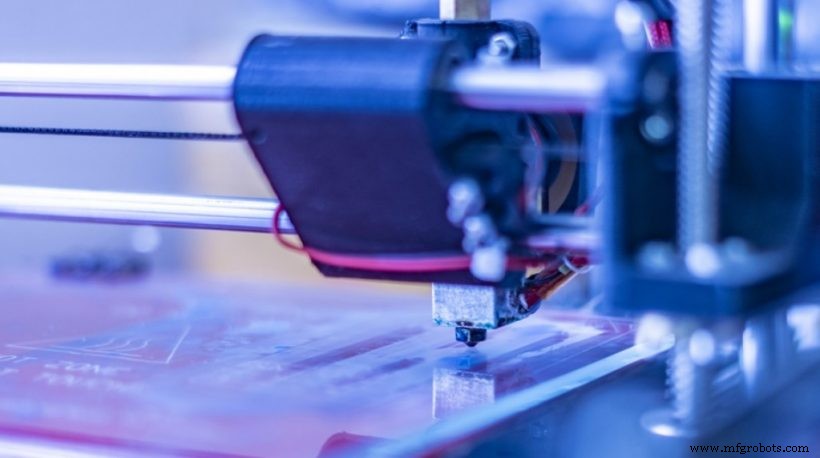
Why On‑Demand Digital Manufacturing Is Growing
Just‑In‑Time (JIT) production, long the hallmark of lean manufacturing, cuts inventory costs by delivering goods only when customers demand them. However, JIT’s reliance on external suppliers and zero safety stock exposed many firms to supply‑chain disruptions during COVID‑19 and the Suez Canal incident. A single supplier hiccup can halt production in minutes.
On‑demand additive manufacturing (AM) offers a robust alternative. With faster print speeds, higher reliability, and emerging tools like digital inventories and secure distributed‑production software, AM can eliminate long supply chains and keep production running even when traditional routes fail.
The Key Benefits of On‑Demand Additive Manufacturing
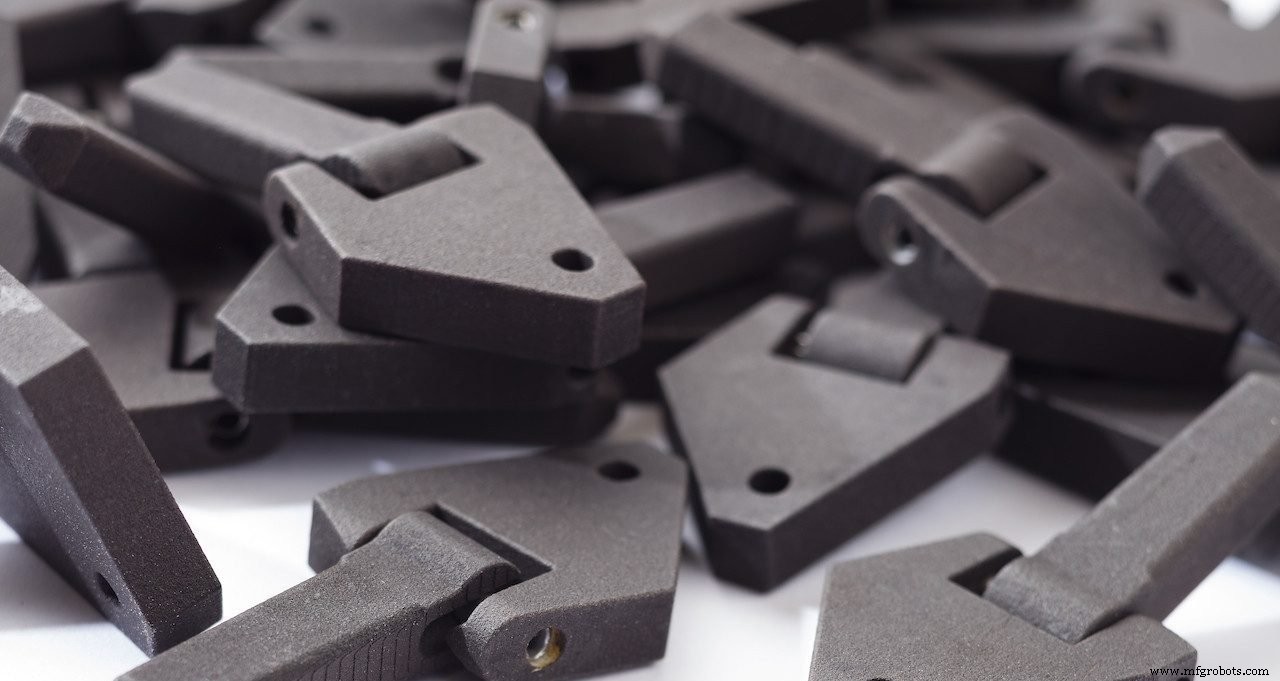
Production at the Point of Need
AM allows parts to be printed on demand, directly from a digital design file, without the need for costly tooling or minimum order quantities. This means even single‑unit production is cost‑effective. Digital inventories—virtual libraries of design files and production metadata—enable instant start‑up of printing once a requirement is identified.
Distributed Production Closer to Consumers
By pairing digital inventories with a distributed‑production network, companies can print parts near the end‑user. A recent collaboration between Moog, Microsoft, ST Engineering, and Air New Zealand demonstrated this. A Boeing 777‑300 flying from Auckland to Los Angeles required a replacement cabin bumper part. The part was printed in Los Angeles and delivered to the airport within 30 minutes, saving 44 days of lead time and $30,000 in potential revenue loss.
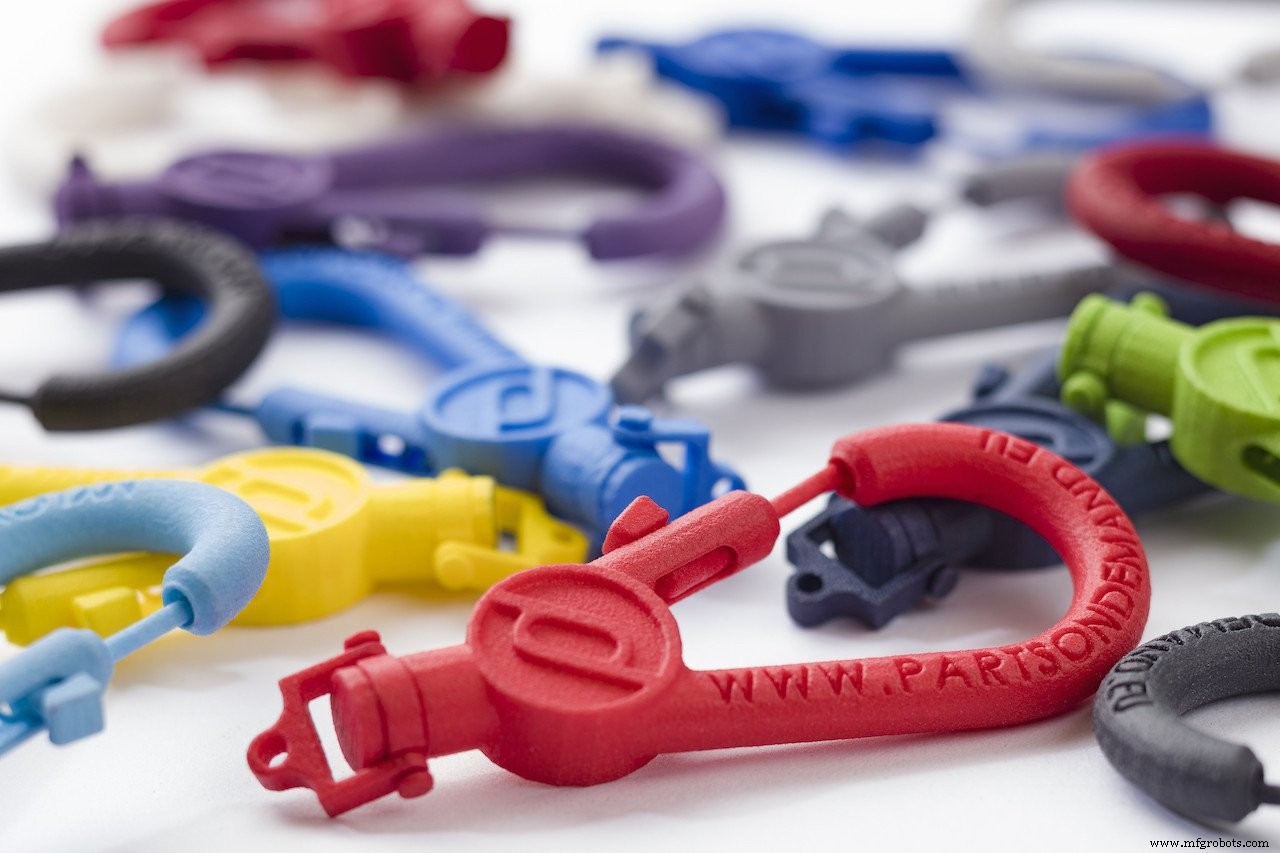
Greater Product Customisation
Because AM eliminates tooling, each part can be customised without additional cost. A complex geometry takes the same time and material as a simple one, enabling rapid adaptation to customer specifications—critical in sectors like healthcare and personalized manufacturing.
Challenges to Adopting On‑Demand Additive Manufacturing
Transitioning to on‑demand AM goes beyond buying printers. Companies must invest in design-for-additive manufacturing (DfAM) expertise, digital inventory systems, and seamless integration with ERP and MES platforms. Without these, the full benefits—speed, flexibility, and cost savings—cannot be realised.
Design for Additive Manufacturing
Many legacy CAD models are unsuitable for AM without redesign. Implementing DfAM requires skilled engineers and iterative testing, which can be resource intensive.
Establishing Digital Inventory
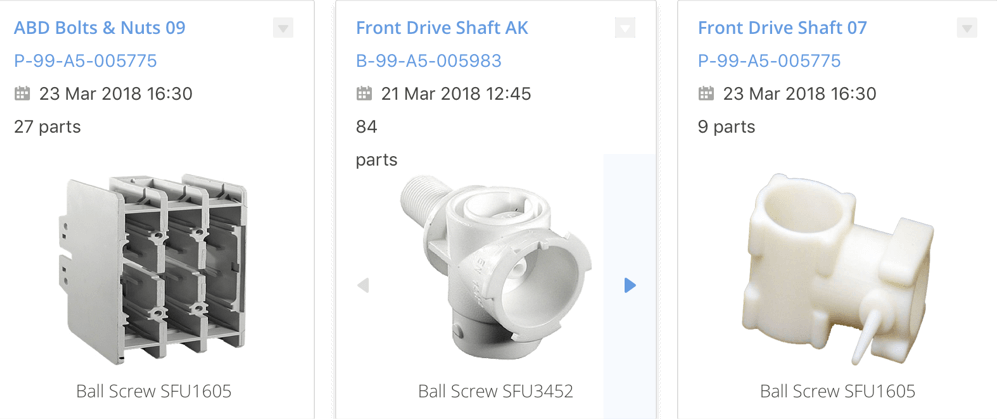
Effective digital inventories store CAD files alongside production data and connect directly to manufacturing execution systems. This integration enables instant order placement and print initiation, drastically cutting lead times.
Future‑Proofing Supply Chains with On‑Demand Additive Manufacturing
A recent Fictiv survey found that 84% of companies view on‑demand manufacturing as a critical solution for future resilience. In an era of unpredictable disruptions, AM can keep essential supply chains agile, efficient, and sustainable.
3D printing
- Why Automating Post-Production Planning Boosts Efficiency in Additive Manufacturing
- How Automotive OEMs Overcome Additive Manufacturing Challenges with Digital Solutions
- Elevate Consumer Goods Production with Optimized Additive Manufacturing
- Accelerate Additive Manufacturing with Real‑Time 3D Printer Monitoring
- Enhancing Supply Chain Resilience through Advanced Traceability
- Leveraging Connected Technology to Resolve Key Supply Chain Challenges
- Streamlining Manufacturing Supply Chains: 7 Proven Strategies for Simplicity and Efficiency
- Additive Manufacturing: A Solution to Modern Supply Chain Challenges
- Digital Manufacturing: Strengthening Supply Chains Against Disasters
- How SDKs Accelerate Innovation in Additive Manufacturing