



How Automotive OEMs Overcome Additive Manufacturing Challenges with Digital Solutions
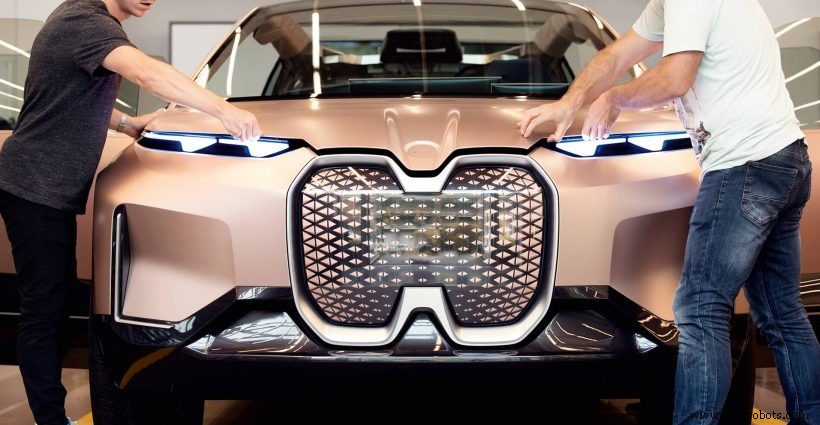
[Image credit: BMW]
The automotive 3D‑printing sector is projected to hit a $9 billion market by 2029, with automation of AM operations key to realizing that growth.
Below we outline the principal hurdles that automotive AM users face and show how digitisation and advanced software can tackle these obstacles head‑on.
Additive Manufacturing in the Automotive Industry
Fittingly, a sector that moves people and goods worldwide is undergoing a profound transformation. In 2021, semiconductor shortages, tightening fuel‑efficiency standards, and the surge of electric and hybrid vehicles reshaped the landscape. Coupled with the lingering effects of the COVID‑19 pandemic—automotive sales fell roughly 15% year‑over‑year in 2020—OEMs are investing heavily in flexible manufacturing and supply‑chain resilience.
Fast‑track design changes, streamlined assembly lines, and on‑demand spare parts are now strategic priorities. Additive manufacturing (AM) has become a cornerstone of this shift, enabling rapid prototype iteration, lightweighting, and the production of complex parts that traditional methods cannot deliver.

Weight reduction is critical for electric vehicles, and AM offers the design freedom needed to meet these efficiency goals. Yet as AM adoption grows, so does the complexity of managing production—from order fulfilment and quality control to supply‑chain oversight.
Below we detail five core challenges and explain how digital automation can help automotive leaders maximise AM productivity.
Read also:
- How is 3D Printing Transforming the Automotive Industry?
- 4 Major Digital Manufacturing Trends in the Automotive Industry
- 10 Exciting Examples of 3D Printing in the Automotive Industry in 2021
Five AM Challenges That Digitisation Solves for Automakers
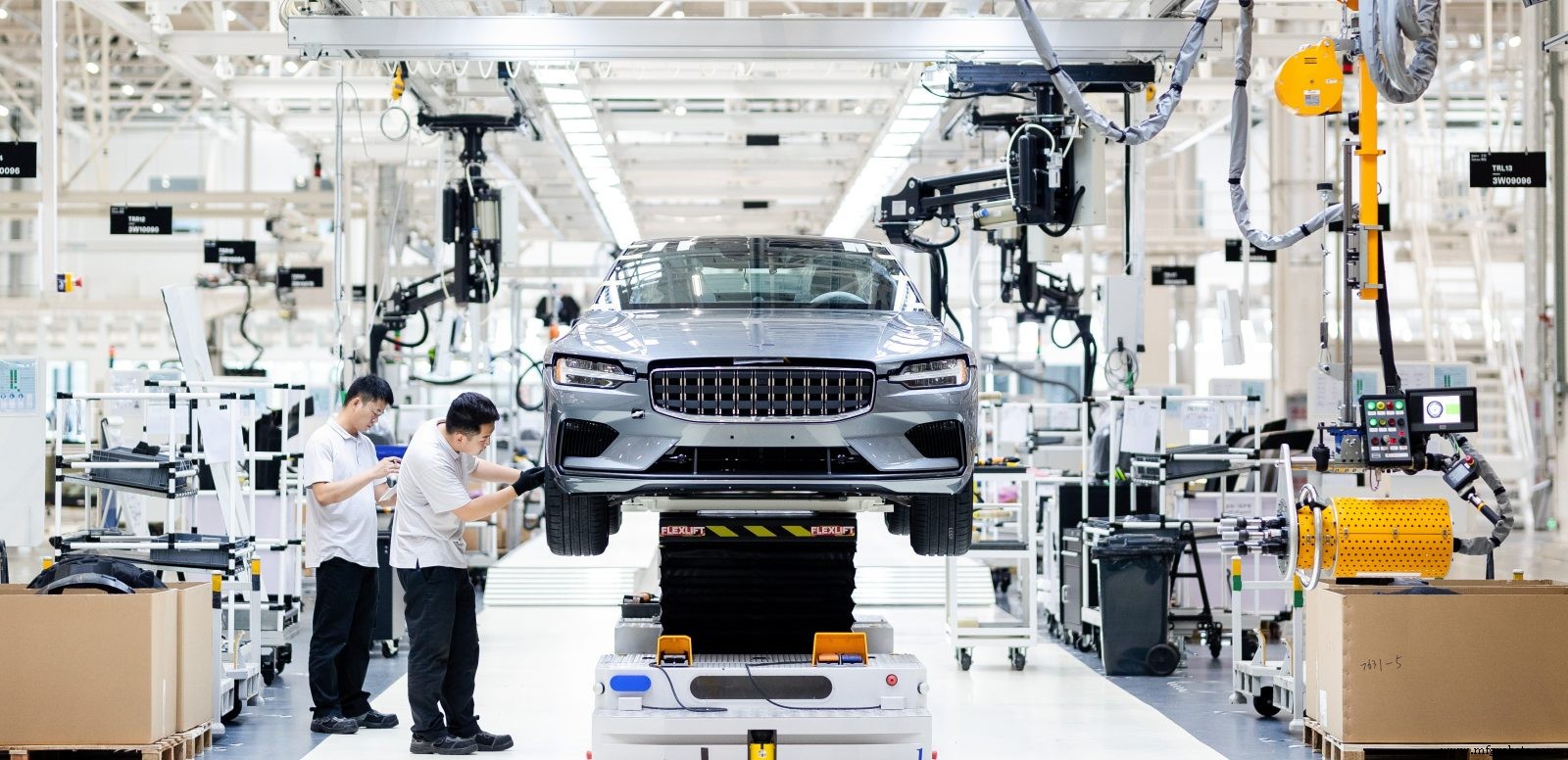
1. Accelerating Prototype Turnaround
Speed to market is paramount. Traditional manual processes—email or phone requests, spreadsheet quoting—introduce unnecessary delays and error risk. A dedicated digital portal lets engineers upload CAD files, select materials and technology, and receive instant quotes and milestone notifications.
Automated order routing and prioritisation frees lab managers to focus on optimisation rather than administrative tasks, shortening prototype delivery times and enhancing design iteration cycles.
2. Streamlining AM Supply‑Chain and Outsourcing Workflows

Automotive AM spans a vast supplier network across multiple countries. Manual negotiations and email exchanges hinder transparency and agility. Integrating all suppliers onto a centralised AM platform enables real‑time comparison of lead times, costs, and capacity.
- Centralised ordering and routing via an additive MES accelerates processing for all parties.
- Automated supplier selection based on predefined criteria ensures the most efficient partner is chosen.
- Real‑time visibility flags delays early, allowing proactive mitigation.
3. Ensuring Repeatable Processes and Part Quality
Unlike conventional manufacturing, AM’s small‑batch, multi‑factory nature can produce inconsistent outputs. Standardising workflows through a digital additive MES introduces serialisation, rule‑based machine assignment, and end‑to‑end traceability.
By automating task sequencing and post‑processing quality checks, the system eliminates manual errors and supports audit readiness across the supply chain.

4. Maximising AM Lab Productivity
Evaluating equipment performance without integrated data is challenging. Disparate spreadsheets or paper logs lack the visibility needed for actionable insights.
An additive MES that connects directly to printers captures key metrics—yield, failure rates, machine uptime—enabling managers to identify bottlenecks and optimise parameters or staffing in real time.
5. Enabling Flexible, On‑Demand Production
On‑demand AM requires a reliable digital repository of CAD files and production parameters. Storing data in folders or emailing files leads to duplication and version confusion.
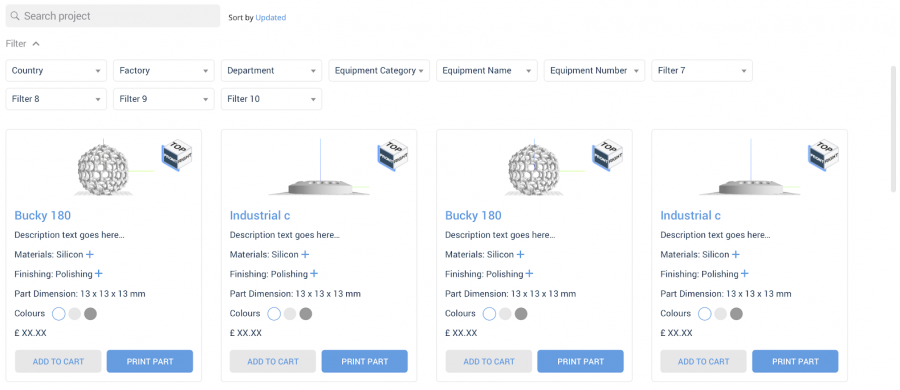
A virtual catalogue that houses the latest CAD models, material specifications, and build instructions integrates with ERP and MES systems. Engineers can order parts with a click, and planners receive instant notifications, eliminating back‑and‑forth communication.
Read also: 4 Ways Digital Inventory Can Support Your Additive Manufacturing Operations
Driving Automotive AM Growth Through Digitisation
AM empowers automakers to adapt quickly and innovate. To unlock its full potential, manufacturers must embed digitisation across critical workflows—order management, scheduling, supply‑chain integration, and inventory control.
A centralised additive MES offers the visibility and traceability required for efficient, scalable AM operations. By aligning product development timelines with advanced manufacturing capabilities, automotive firms can achieve faster time‑to‑market and superior part performance.
Discover how AMFG can help you
Our additive MES and workflow software deliver system connectivity, automated workflows, and extensive integrations, enabling automotive AM users to build connected, scalable processes across their organisations and supply chains.
3D printing
- How Automotive OEMs Overcome Additive Manufacturing Challenges with Digital Solutions
- Elevate Consumer Goods Production with Optimized Additive Manufacturing
- Accelerate Additive Manufacturing with Real‑Time 3D Printer Monitoring
- Scaling Serial Additive Manufacturing: How Additive MES Drives Efficiency and Growth
- 8 Key Challenges Additive Manufacturing Must Overcome for Mass Production
- Software That Solves Four Major Additive Manufacturing Hurdles
- How On-Demand Additive Manufacturing Enhances Supply Chain Resilience
- Revolutionizing Auto Production: The Role of Additive Manufacturing
- How SDKs Accelerate Innovation in Additive Manufacturing
- 5 Proven Strategies for Additive Manufacturing OEMs to Cut Costs Effectively