



Scaling Serial Additive Manufacturing: How Additive MES Drives Efficiency and Growth
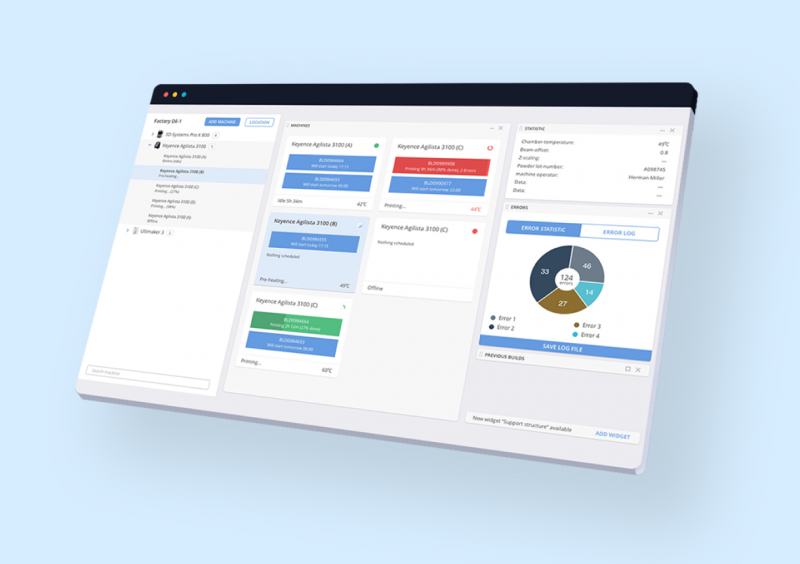
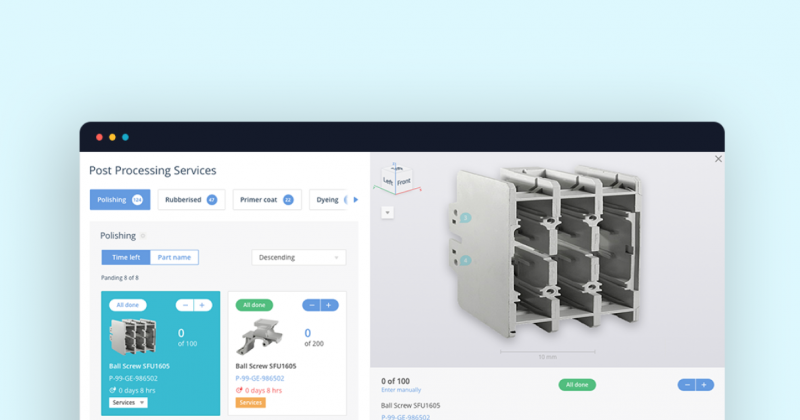
As the adoption of additive manufacturing (AM) accelerates, your organization is investing in AM facilities to lead the serial production frontier. Yet, scaling production volumes requires more than just machines and materials. Achieving a scalable AM workflow demands rigorous control, transparency, and a deep understanding of operational performance—key to optimizing efficiency, budgeting, and revenue growth. Without the right digital infrastructure, these goals become difficult to reach. Many companies rely on generic IT solutions designed for traditional manufacturing. These systems often lack the specialized features needed for AM workflows, leading to integration gaps and limited visibility. Inadequate machine integration hampers real‑time tracking, preventing accurate performance analysis and effective production planning. Coordinating with suppliers introduces additional complexity; serial AM production requires synchronization across internal processes and end‑to‑end traceability. Additive MES (Manufacturing Execution System) provides a digital backbone for serial AM, delivering advanced analytics, end‑to‑end visibility, and automation. The MES platform offers a comprehensive overview of all machines and builds, allowing production jobs to be scheduled based on real machine availability and build parameters. Benefits include accurate capacity utilization, reduced scheduling errors, and optimized build sequencing—saving time, cutting costs, and boosting repeatability. Related: How Bowman Additive Production Uses AMFG to Automate Production of End‑Use Bearings Direct machine connectivity feeds live dashboards with performance metrics, enabling operators to spot under‑performance and managers to take proactive actions that maintain overall equipment effectiveness. Historical data—printing parameters, build outcomes—provides a knowledge base for continuous improvement and quality optimization. Related: 3 Ways Connectivity Will Enhance Your Additive Manufacturing Operations Serial AM requires a structured post‑processing strategy. MES software orchestrates the sequence of operations, ensuring operators follow the correct steps at the right time. Quality assurance is digitized through tools like 3D viewers for detailed inspections and the import of sensor or barcode data, guaranteeing parts meet specifications. By linking post‑processing to the main workflow, MES supports fully scalable end‑to‑end operations. Related: How Digitisation Can Help Transform AM Post‑Processing and QA Management AM’s digital nature demands real‑time visibility and flexible control. MES eliminates blind spots by logging every step—from 3D file handling to material usage—providing a single source of truth. This transparency fosters collaboration across departments, reduces costs, and accelerates decision‑making. Related: 5 Ways Real‑Time Production Visibility Advances Your AM Operations Once internal processes are automated, the next milestone is extending automation to the supply chain. Advanced MES solutions like AMFG enable direct integration with suppliers, creating a streamlined outsourcing workflow. If a post‑processing capability is absent in‑house, projects can be routed to external partners through the platform, maintaining a centralized, efficient pipeline. Optimizing AM efficiency starts with the right digital foundation—traceability, machine connectivity, and data‑driven insights. Additive MES software is becoming essential for building this infrastructure, simplifying day‑to‑day processes, synchronizing data across systems, and easing the integration of AM into a digital manufacturing ecosystem. Reliable, automated operations reduce manual labor, increase consistency, and accelerate production scaling—preparing your organization for the future of serial additive manufacturing. See how you can improve efficiency and traceability to scale your AM production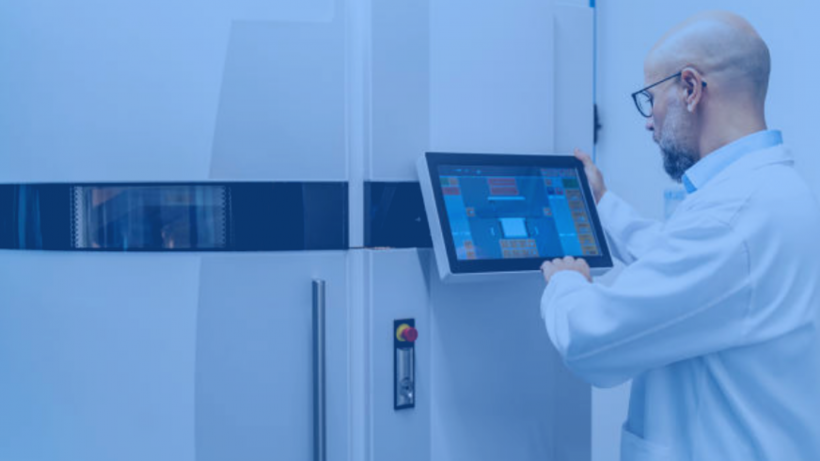
Operational Challenges to Scaling Serial Additive Manufacturing
How Additive MES Software Solves These Challenges
1. Streamlined Production Planning & Scheduling

2. Real‑Time Machine Monitoring
3. Coordinated Post‑Processing & Quality Management
4. Enhanced Production Visibility
5. Seamless Supplier Collaboration
Scale Your AM Operations with MES Software
3D printing
- How Automotive OEMs Overcome Additive Manufacturing Challenges with Digital Solutions
- Elevate Consumer Goods Production with Optimized Additive Manufacturing
- Elevate Aerospace Additive Manufacturing with MES: Overcome Standards, Costs, and Supply Chain Challenges
- Accelerate Additive Manufacturing with Real‑Time 3D Printer Monitoring
- How MES Software Can Revolutionize Production Planning for Your 3D Printing Service
- 5 Common Metal 3D Printing Issues—and How to Resolve Them
- Revolutionizing Additive Manufacturing: How MES & Workflow Software Optimize Production Planning
- 5 Ways MES Software Enhances Efficiency in Additive Manufacturing Production
- How On-Demand Additive Manufacturing Enhances Supply Chain Resilience
- Choosing the Right IoT Platform: Expert Guidance for a Saturated Market