



How to Build an Etsy Listing That Drives Sales – A Proven Checklist
Many Etsy sellers struggle to generate sales because they overlook essential elements that drive conversion. Etsy’s own data shows that listings which follow their recommended best practices convert far more often than those that don’t. By aligning your shop with Etsy’s proven guidelines, you can turn views into sales—today and tomorrow.
In this guide, I’ll walk you through the key factors Etsy identifies as critical for a high‑performing listing. With real‑world examples, you’ll see exactly how to implement each step and why it matters.
Read on if you’re ready to grow your Etsy shop—or any online business—by mastering the art of the listing.
By the way, I recently explored the best places to sell 3D prints online, and Etsy tops the list.
Analyzing a Successful Etsy Listing
Below is a 3D‑print product that has amassed over 3,000 sales and an estimated revenue of $140,000. We’ll dissect it against Etsy’s benchmark criteria.

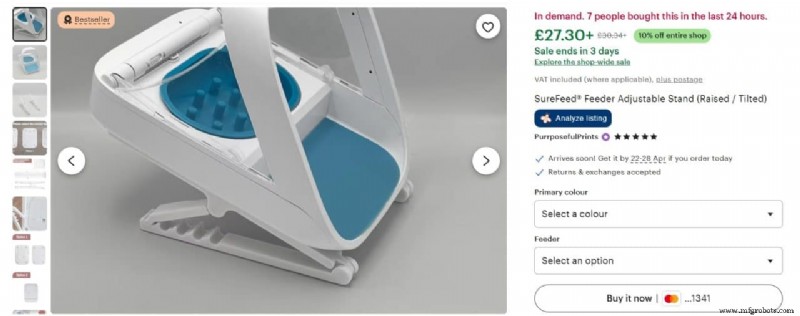
Let’s evaluate this listing using Etsy’s framework:
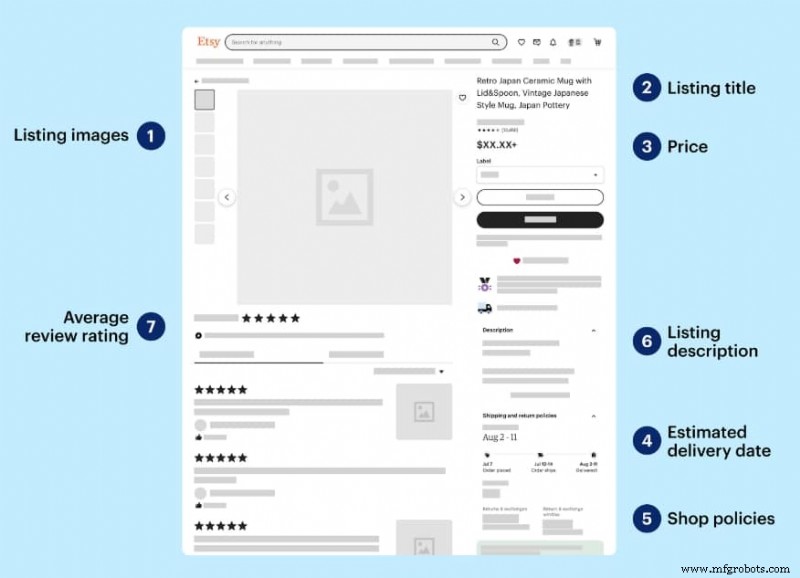
- Listing Images
- Listing Title
- Price
- Estimated Delivery Date
- Shop Policies
- Listing Description
- Average Review Rating
- Attributes
- Tags
- Your Small‑Business Story
1. Listing Images
The first image is the most critical—it’s the thumbnail that appears in search results and on mobile. A clean, professional photo that immediately communicates what the product is and how it’s used can make the difference between a click and a miss.
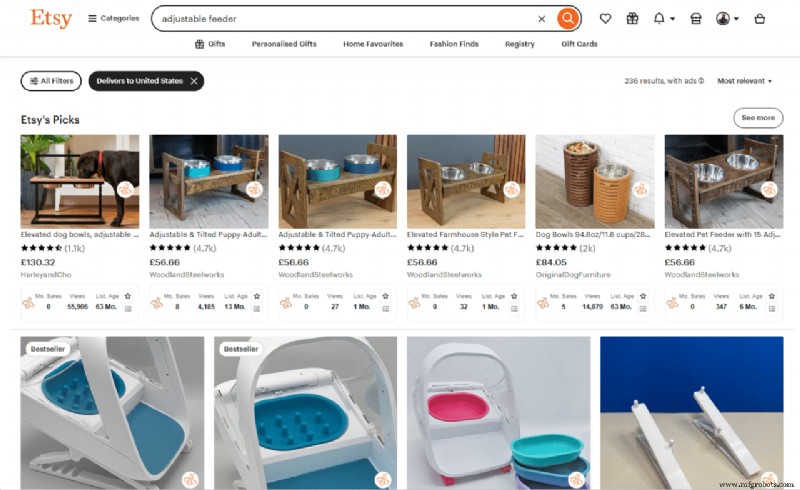
Key best‑practice guidelines from Etsy:
- Show multiple angles—including close‑ups that highlight texture and detail.
- Include lifestyle shots that place the product in its intended environment.
- Use natural lighting; avoid harsh flash.
- Keep the background simple and neutral.
- Aim for a minimum resolution of 2,000 px in width or height.
This listing adheres to most of those points. It offers a 360‑degree view, clear close‑ups, and a neutral backdrop. However, it misses a video—adding a 15‑second clip that demonstrates assembly or a cat using the feeder could boost click‑through rates, as hover‑play videos tend to increase engagement.
Images #4 and #6 could benefit from a slightly cleaner background; a quick adjustment in a photo‑editing app can polish the finish.
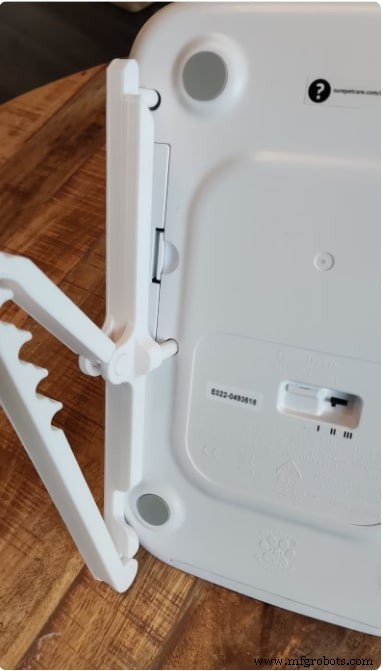
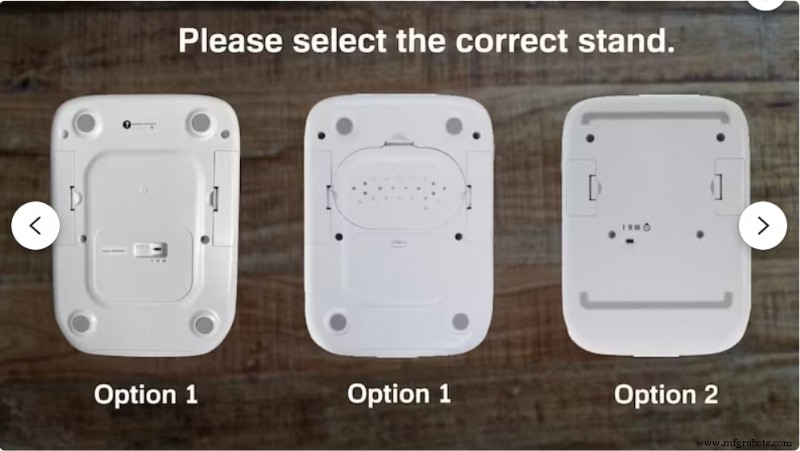
Some images incorporate overlay text, which helps convey key information without forcing shoppers to read the description.
Overall, investing in high‑quality photos—or even a prop‑styled shot that shows the product in situ—can elevate perceived value and justify a premium price point.
2. Listing Title
Title: SureFeed® Feeder Adjustable Stand (Raised / Tilted)
A strong title concisely tells buyers what you’re selling and highlights uniqueness. Etsy advises keeping titles short yet descriptive, positioning the most important keywords at the front because that’s all shoppers see in search results.
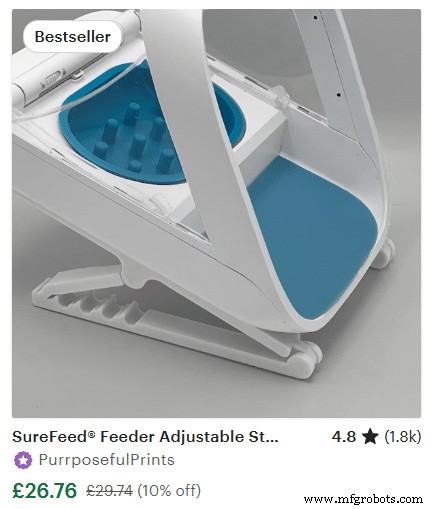
While this title works well, adding more specificity can improve search visibility. For instance:
- SureFeed® Microchip Pet Feeder Adjustable Stand – Raised & Tilted (20‑45°)
- Ergonomic SureFeed® Feeder Stand – Height & Angle Adjustable for Senior Cats
- SureFeed® Microchip Feeder Elevated Stand – Tilting Design for Digestive Health (3D Printed)
Choosing the most relevant title not only aligns with keywords shoppers use but also clarifies the product’s benefit at a glance.
3. Price
Etsy stresses that pricing should reflect both your costs and desired profit. In this example, the base price is $40, with a 10% discount bringing it to $36.
Below is a detailed cost analysis:
- PLA filament (60 g, $15–$20 /kg): $0.90–$1.20
- Electricity per print: $0.10–$0.15
- Print failure allowance (5–10%): $0.30–$0.40
- Printer depreciation (assuming $500–$800 over 2,000 prints): $0.25–$0.40
- Maintenance & replacement parts: $0.15–$0.25
- Packaging: $1.00–$1.50
- Order processing (15–20 min): $2.50–$3.50
- Design time (amortized): $0.50–$1.00
- Software subscriptions: $0.10–$0.20
- Shipping (portion of the $12 charge): $6.00–$8.00
- Handling & packaging time: $1.00–$1.50
- Listing fee: $0.20
- Transaction fee (6.5%): $2.34
- Payment processing (3% + $0.25): $1.58
Total estimated cost: $15.00–$18.90
Profit (with discount): $16.60–$21.50 (46–60% margin)
Profit (full price): $20.60–$25.50 (52–64% margin)
Keep postage below $6 to comply with Etsy’s new algorithm that penalizes high shipping fees. If necessary, shift a portion of the shipping cost into the item price while maintaining the same total, which can boost search placement.
4. Estimated Delivery Date
Speedy delivery is a strong signal to shoppers. Etsy calculates the estimated delivery date from two settings:
- Processing time – how long you take to prepare and ship the order.
- Standard delivery – the shipping carrier’s transit time.
For this listing, processing is 2–3 days, and standard delivery is 4–9 days. Communicating realistic timelines helps reduce abandoned carts and improves customer satisfaction.
5. Shop Policies
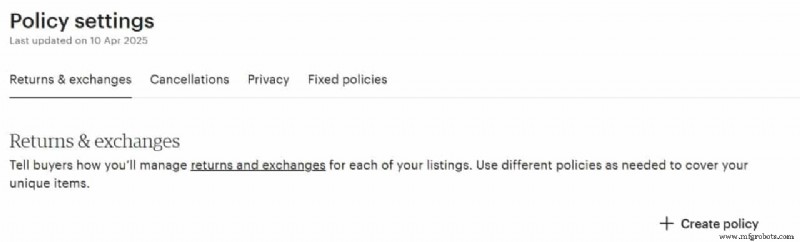
Clear, concise policies build trust and improve search rankings. Etsy recommends using the provided policy templates to cover returns, exchanges, shipping, and custom orders.
To set them up:
- Go to Shop Manager → Settings → Policy Settings.
- Fill out each section using the templates and customize as needed.
6. Listing Description
A compelling description turns views into purchases. Start with essential details—size, material, and key features—then weave in brand storytelling. Use short paragraphs or bullet points for readability.
Example copy from this listing:
“Adjustable Stand for SureFeed® Microchip Pet Feeder – Elevated & Ergonomic Design for Better Digestion! Give your cat a healthier, more comfortable feeding experience with this adjustable stand, designed specifically for the SureFeed® Microchip Pet Feeder. With an adjustable tilt range of 20 to 45 degrees, this stand helps food move easily from mouth to stomach, promoting better digestion and reducing strain on your cat’s neck and back.”
Follow these guidelines:
- Avoid copying the title verbatim.
- Include at least one natural keyword phrase.
- Mention dimensions, materials, care instructions, and customization options.
- Tell a brief brand story—why you created the product and how it’s made.
- Keep paragraphs short and use bullet points for clarity.
7. Average Review Rating
Positive reviews are a top ranking factor. This shop enjoys a 5‑star rating from 1,760 reviews, with the featured listing boasting over 700 positive reviews. Etsy’s “Star Seller” status is earned by consistently high ratings, on‑time dispatch, and prompt responses.

To maintain high ratings:
- Ensure product quality matches or exceeds expectations.
- Provide outstanding customer service—quick responses and thoughtful touches.
- Deliver on time and communicate clearly about shipping status.
8. Attributes
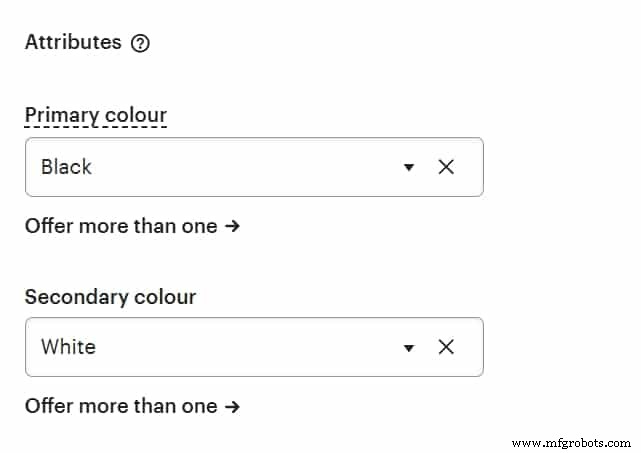
Attributes give Etsy’s algorithm more granular data about your item. They include material, color, size, occasion, and more. If a phrase is already in your attributes, you don’t need to duplicate it as a tag.
9. Tags
Use all 13 tags, each a natural, multi‑word phrase that shoppers might type. Avoid generic tags that wouldn’t appear in a search query.
Current tags:
- surefeed elevation
- surefeed tilted
- surefeed raised
- petsafe
- microchip feeder
- surefeed
- surefeed tilted bowl
- tilted bowl
- digestive problems
- digestive issues
- cat bowl stand
- surefeed stand, bowl stand
Recommended tags that broaden reach:
- surefeed stand
- cat bowl stand
- microchip pet feeder
- elevated cat bowl
- tilted pet feeder
- cat feeding stand
- senior cat feeder
- pet digestion helper
- raised feeding station
- adjustable pet stand
- cat health accessory
- pet feeding solution
- ergonomic cat feeder
10. Your Small‑Business Story
Unlike generic marketplaces, Etsy shoppers gravitate toward creators. Sharing a genuine brand narrative in the shop’s About section—complete with photos—fosters trust and encourages repeat purchases.
Consider adding a tagline or concise description in your shop title, and keep the story updated as your business evolves.
For more inspiration, read How to Craft a Killer About Section.

Michael Dwamena
Founder of 3D Printerly, a platform that simplifies 3D printing for hobbyists and professionals. With over 20 3D printers and more than 900 published articles, Michael guides millions through the world of additive manufacturing.
3D printing
- Why Isotropy Matters in 3D Printing: Enhancing Consistency and Performance
- Fix Your 3D Printer's Layer Cooling Fan – Quick Troubleshooting Guide
- 2020 3D Printing Forecast: 20 Industry Leaders Outline the Future
- 3D‑Printed Eyewear: From Prototyping to Customization—Industry Trends & Case Studies
- Carl Calabria’s Expert Guide to Installing Inserts on the Mark One 3D Printer
- Markforged Firmware Update Adds Material‑Level Alerts and Cloud‑Based Slicing
- Revolutionizing Flight Hardware: 3D Printed Aerospace Components in Orbit
- How to Prevent and Fix Brittle PLA Filament: Causes, Solutions, and Best Practices
- Ocean Alliance Partners with Olin College to Develop Snotbot Quadrotor for Whale Sample Collection
- 3D Printing Software Market to Reach $4.5 B by 2021 – Key Implications for Your Business