



Is It Safe to 3D Print at Home? Risks, Precautions, and Best Practices
3D printing has evolved from a niche prototyping tool into a mainstream household appliance, offering unprecedented creative freedom. While modern printers are more reliable than ever, they still pose genuine safety concerns that homeowners should understand to protect their families and property.
Can You Safely 3D Print Inside Your Home?
Reputable manufacturers have built printers with built‑in electrical safeguards and firmware that automatically shuts the machine down if temperatures exceed safe limits. Nonetheless, users must remain vigilant for potential hazards that can arise during operation.
Key Risks and How to Mitigate Them
Skin Burns
The hotend and heated bed can stay dangerously hot for minutes after a print finishes, posing a burn risk to curious hands, pets, or small children.
Prevention: Position the printer on a high, stable surface out of reach. Consider a dedicated printer enclosure that blocks accidental contact.
Inhalation of Toxic Gases
When certain polymers heat, they release fumes that can irritate eyes, throat, and cause headaches or dizziness. The risk is magnified when a printer runs overnight or in a poorly ventilated space.
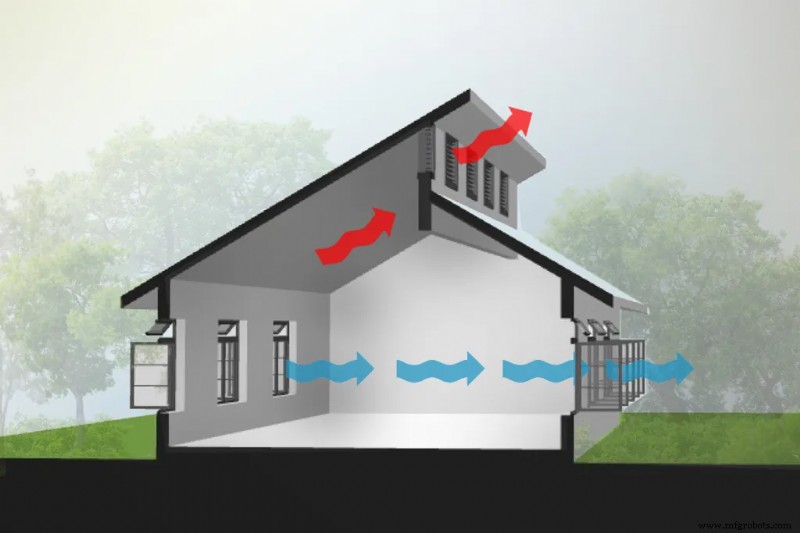
Prevention: Avoid bedrooms and closed rooms. Keep the workspace well ventilated—ideally with cross‑flow from opposite windows or a dedicated exhaust fan.
Respiratory Exposure to Micro‑Particles
Many filaments emit fine particles during extrusion. Chronic exposure can lead to respiratory issues, including COPD or lung cancer.
Prevention: Use an enclosure equipped with a HEPA filter for continuous printing. If symptoms appear, seek medical attention promptly.
Mechanical Injuries
Step‑motor-driven gantries can trap fingers or small objects. The torque generated is sufficient to cause fractures or serious injury.
Prevention: Power down the printer before performing maintenance. Keep the machine out of high‑traffic areas frequented by children or pets.
Fire Hazard
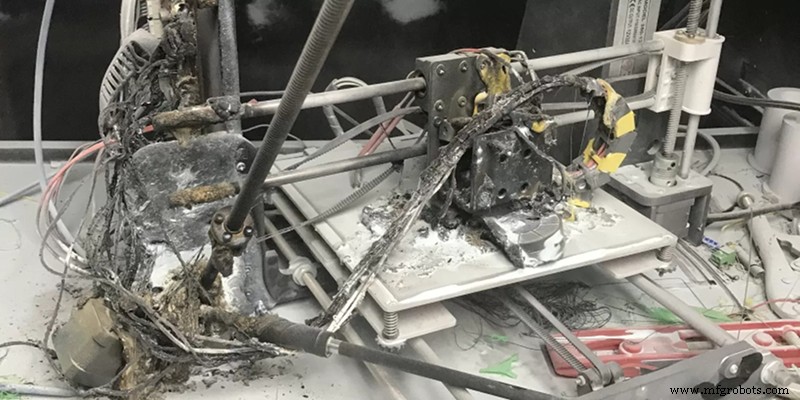
A hot nozzle can ignite nearby flammable materials, and faulty wiring can overheat during a short circuit.
Prevention: Place the printer in a fire‑resistant zone free of drapes, papers, or other combustibles. Use quality, fire‑rated cables and ensure the firmware’s emergency stop is active. Update the board’s firmware regularly.
Choosing Filaments for Indoor Printing
- PLA: Generally safe as it derives from renewable sources, but check the manufacturer’s SDS if additives or dyes are present.
- ABS: Emits toxic fumes; avoid indoor use unless you have a sealed enclosure and strong ventilation.
- ASA: Contains styrene—best kept outdoors or in a ventilated, enclosed space.
- PETG: Low‑emission, suitable for indoor environments.
- TPU: Emits minimal toxins; safe for indoor printing.
- Nylon: Stable emissions, good indoor safety profile.
- Polycarbonate: Releases bisphenol A; avoid indoor printing unless using BPA‑free variants.
Safe Alternatives When Higher Strength Is Needed
- For parts that outgrow PLA’s strength, opt for PETG instead of ABS for easier handling and reduced toxicity.
- Outdoor components benefit from nylon or TPU, which resist UV and high temperatures.
- If polycarbonate is essential, choose brands that offer BPA‑free formulations to eliminate hazardous emissions.
Can Resin Printers Operate Indoors?
Resin printing uses UV light to cure liquid resin, generating corrosive gases and intense heat. The emissions are considerably more hazardous than those from FDM printers, making indoor use inadvisable unless a dedicated, well‑ventilated enclosure is available.
Additionally, accidental ingestion or skin contact with uncured resin can cause severe burns or systemic toxicity, so store resin containers securely out of reach of children and pets.
Other Practical Considerations
Noise is another factor; some printers emit 50–60 dB during operation, which can be disruptive at night. Check the manufacturer’s noise rating before purchasing.
Conclusion
When installed correctly and operated with awareness, 3D printers can be a safe addition to a home. Follow these guidelines—choose the right filament, secure proper ventilation, use enclosures, and maintain a safe location—to protect your household and preserve the integrity of your printer.
Stay informed, stay cautious, and enjoy the creative possibilities of home 3D printing.
3D printing
- Interview with Philip Cotton, Founder of 3Dfilemarket.com, UK 3D Printing Education Expert
- 2018 in Review: Milestones, Innovation, and Customer Success
- Elegoo Saturn 3 Review: Is This 12K Resin Printer Worth Your Investment?
- How SDKs Accelerate Innovation in Additive Manufacturing
- PLA (Polylactic Acid): Biodegradable, Compostable, and Cost‑Effective Sustainable Plastic
- Expert Answers to Your Top 3D Printing Questions
- In‑Process Inspection: Elevating 3‑D‑Printed Part Quality
- 2018 3D Printing Trends: Breakthroughs That Shaped the Industry
- Prevent 3D Printing Over‑Extrusion: Simple Solutions for Cleaner Builds
- How 3D Printing Enhances Mold Making: Benefits and Innovations