



Stratasys Origin One vs. EnvisionTEC & Carbon: Why Origin One Wins
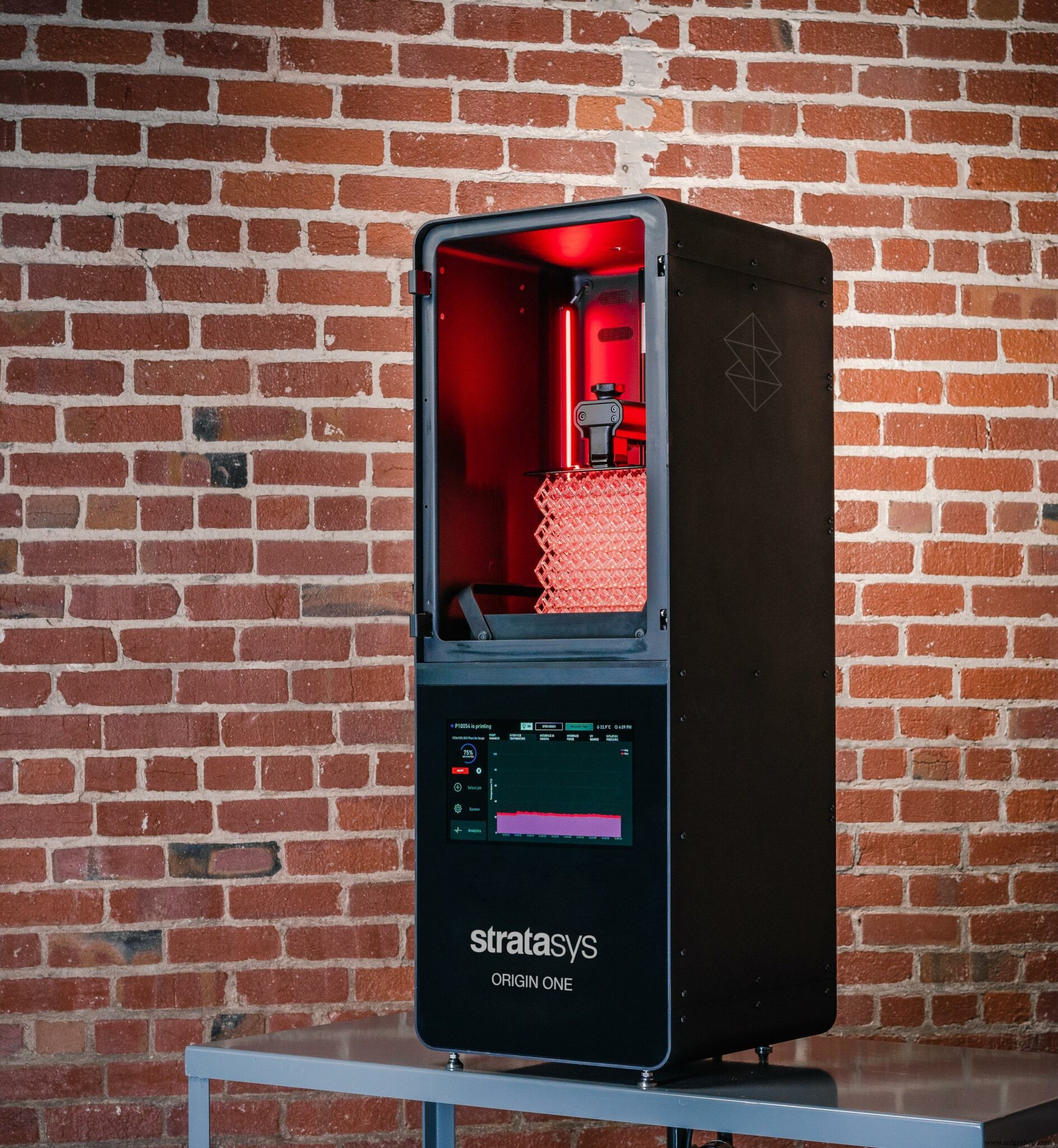
After Stratasys acquired Origin in December 2020, the company has re‑branded and released the Origin One, a DLP 3‑D printer that ships in Q4 2023. The system delivers high‑resolution parts, superior throughput, and an open‑material ecosystem that outperforms competitors such as EnvisionTEC and Carbon.
Programmable Photopolymerization (P3)
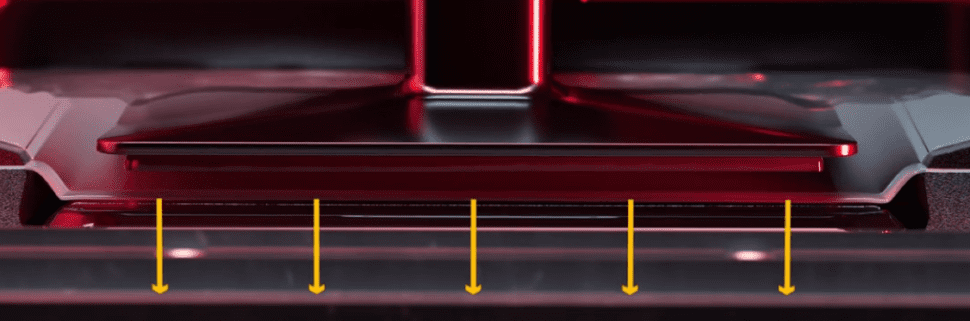
P3 is a patented Digital Light Processing (DLP) technology that cures a vat of photopolymer resin layer by layer. Unlike conventional DLP machines, P3 uses a pneumatic separation mechanism: a membrane is slightly inflated with air, allowing each cured layer to lift cleanly. This approach minimizes part adhesion, improves surface finish, and increases build speed—key differentiators against the mechanical tilting or oxygen‑dead‑zone systems used by EnvisionTEC and Carbon.

Stratasys has long been a leader in photopolymer resins through its Polyjet line, which offers multi‑color, multi‑material parts. The Origin One trades multi‑color capability for unparalleled speed, accuracy, and a broader selection of production‑grade resins.
Origin One Specifications
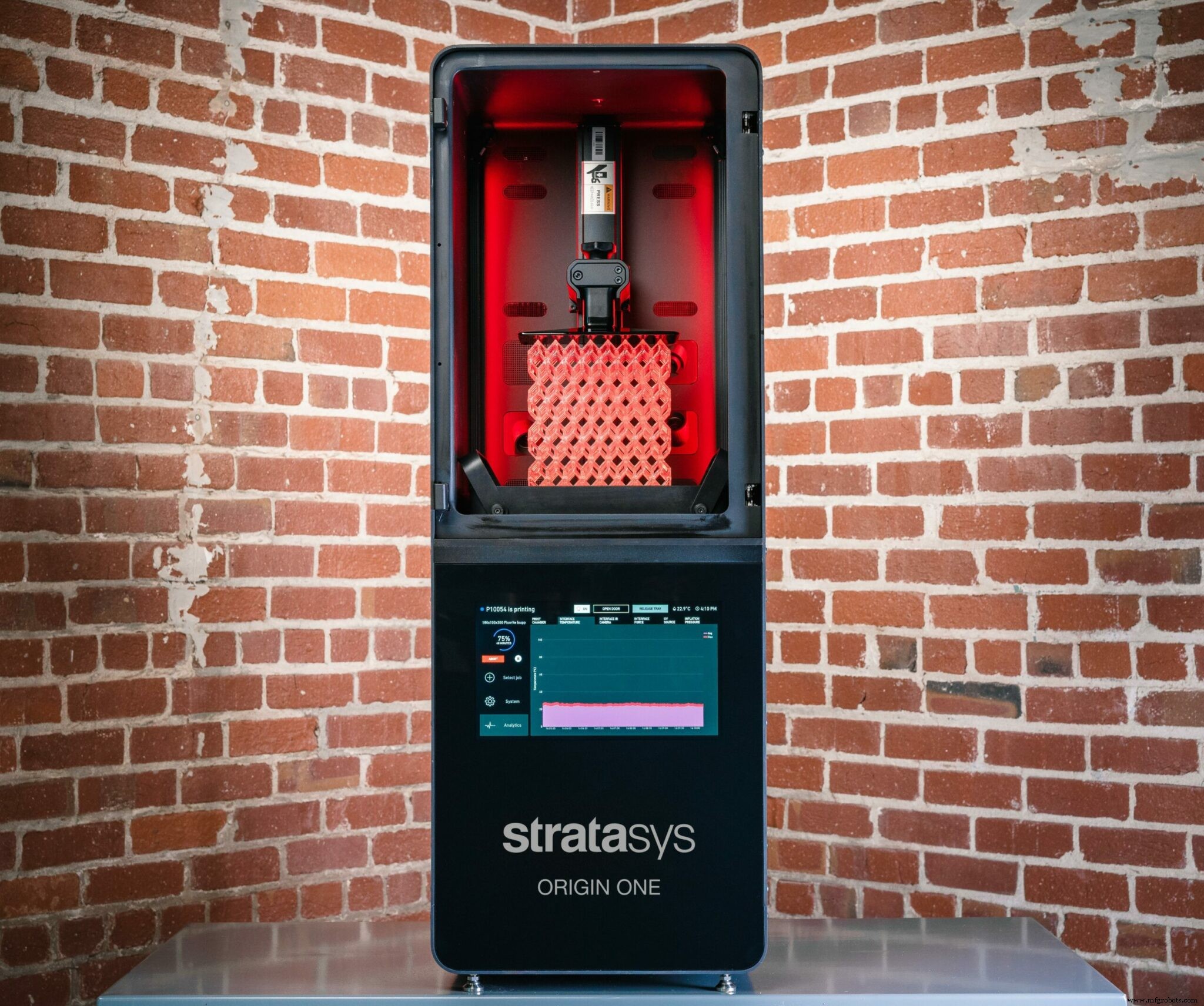
Build Envelope: 192 × 108 × 370 mm
Software: Origin One cloud platform + 1‑year Autodesk Netfabb license
Materials: 385 nm resins from Stratasys partners (Henkel, DSM, BASF) with a fully unlocked license for any compatible resin
Separation Mechanism: P3 Pneumatic
Accuracy: ± 0.001" (25 µm)
The machine begins with a web‑based workflow that allows users to configure print parameters, then automatically transfers settings to the printer. Post‑print, parts undergo isopropyl alcohol sonication to remove excess resin, followed by UV curing for 5–10 minutes. The Origin One’s green‑state parts are mechanically robust, facilitating a straightforward, scalable production cycle.
EnvisionTEC Competitors
EnvisionTEC offers two DLP lines that rival the Origin One: the Perfactory P4K series and the Envision One cDLM Mechanical. Both employ mechanical tilting or oxygen‑dead‑zone separation and restrict material usage to proprietary 385 nm resins.
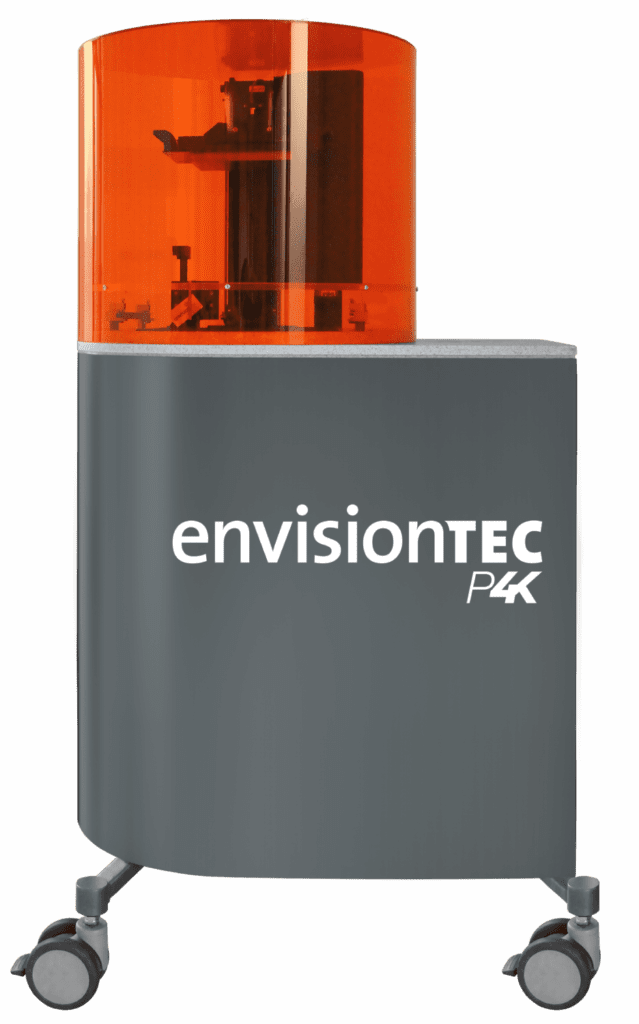
Perfactory P4K Series
Models: P4K 35, 62, 75, 90
Build Envelopes: 90 × 56 × 180 mm (35); 160 × 100 × 180 mm (62); 192 × 120 × 180 mm (75); 230 × 143.75 × 180 mm (90)
Software: Envision One RP
Resolution: 35 µm to 90 µm
Separation: Mechanical tilting
While the P4K can achieve high throughput for small parts, its mechanical tilting slows build rates compared to P3. The system requires a meticulous leveling procedure and disallows third‑party resins, limiting flexibility.
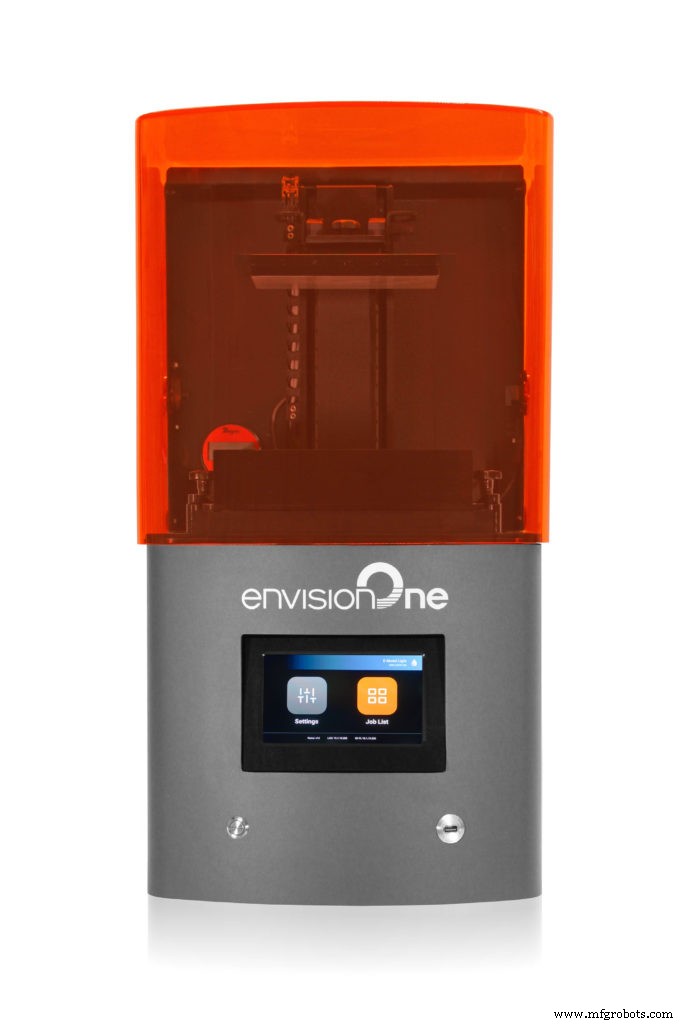
Envision One cDLM Mechanical
Build Envelope: 180 × 101 × 175 mm
Resolution: 93 µm
Separation: Continuous printing with oxygen‑dead zone
This model offers faster print times via continuous Z‑axis motion, but the oxygen‑dead zone can introduce a “dome effect” and restricts resin chemistry options. Like the P4K, it also requires precise leveling and locked system settings.
Carbon 3D DLP Options
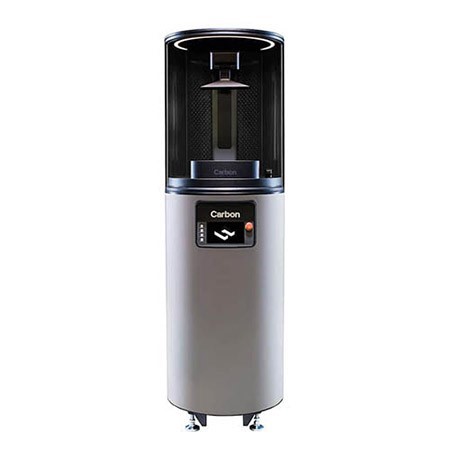
Carbon M2
Build Envelope: 189 × 118 × 326 mm
Software: Carbon proprietary software
Materials: Carbon‑developed resins (mostly 2‑part) with limited third‑party options
Resolution: 75 µm
Separation: Oxygen‑dead zone
Carbon’s M2 delivers high performance but suffers from high material waste (≈ 100 ml per build) due to short pot life and mandatory thermal post‑cure (8–12 h). The machine‑as‑a‑service model keeps uptime high but raises total cost of ownership. The oxygen‑dead zone also limits fine‑detail fidelity and large‑cross‑section prints.
Why Origin One Stands Out
The Stratasys Origin One combines programmable print settings, industry‑leading dimensional accuracy, and a fully open material platform. Its pneumatic separation yields strong green‑state parts, reducing post‑processing complexity. With the support infrastructure and global service network of Stratasys, the Origin One offers the best balance of speed, quality, and cost for production‑grade DLP manufacturing.
Learn More About P3 Technology
Learn more3D printing
- How 3D Printing Drives Innovation in Formula One – 5 Key Trends
- Scientists Successfully Synthesize and Visualize Cyclo[18]Carbon
- Composite Engineering & Carbon Fiber: How Advanced Materials Shape Modern Infrastructure
- Why Origin One Is a Game‑Changer for Production‑Ready 3D Printed Parts
- Stratasys Origin One: Precision 3D Printing for Production-Grade Parts
- Stratasys Introduces Bright Vero Cyan & Vibrant Vero Pure White PolyJet Materials
- Stratasys Launches GrabCAD Voxel Print for J750 and Partners with e‑Xstream for Advanced Simulation
- Carbon Capture & Storage Technologies: Safeguarding the Planet and Boosting Energy Efficiency
- Advanced Forging Techniques for Carbon and Alloy Steels
- Carbon‑14 Dating: Unlocking Material Histories in Science & Industry