



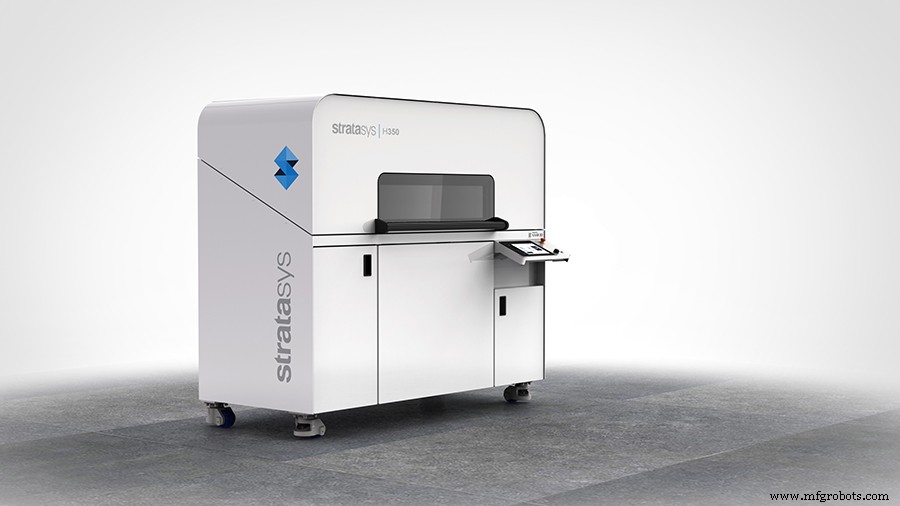
Stratasys H350: The First SAF™ 3D Printer for Production-Scale Additive Manufacturing
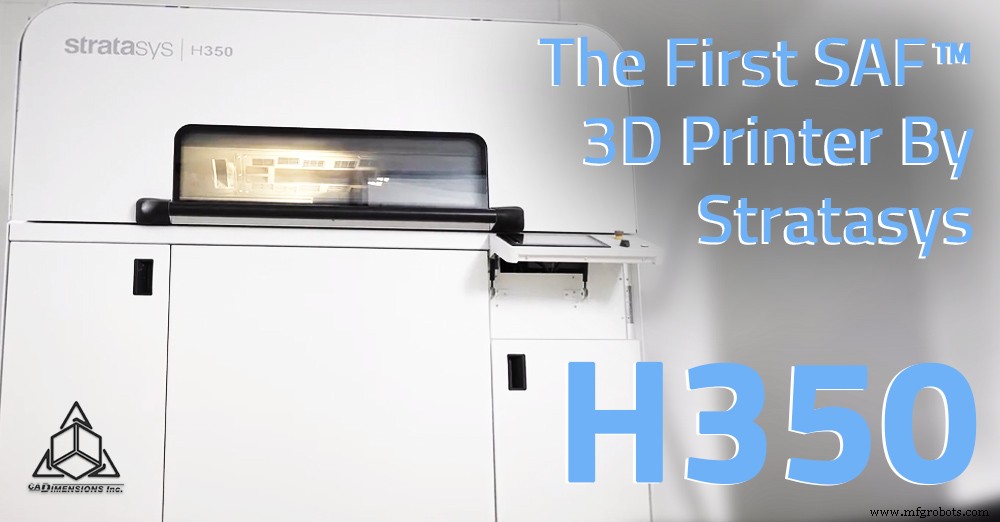
Meet the Stratasys H350™ – the industry’s first powder‑bed fusion printer that delivers production‑grade performance through proprietary Selective Absorption Fusion (SAF™) technology. Partnered with Xaar 3D, the H350 brings the speed, consistency, and scalability that the rapidly growing polymer segment of additive manufacturing demands.
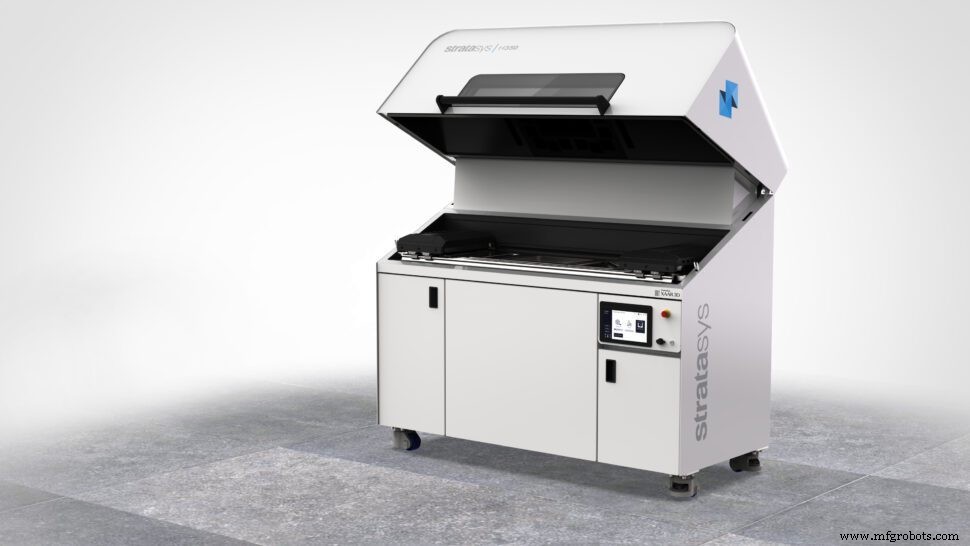
H350 Overview
Unlike conventional powder‑bed machines, the H350’s dual‑carriage design guarantees a uniform thermal experience for every part, no matter its position. A counter‑rotating roller spreads a fresh powder layer across the entire bed, while industrial‑grade piezo‑electric printheads jet droplets of High Absorption Fluid (HAF™) onto the powder. The fluid absorbs infrared energy from a lamp, causing the polymer particles to vibrate, generate frictional heat, and fuse layer by layer.
Recycling the HAF within the printhead preserves thermal consistency, and the Big Wave™ powder‑management system captures and recirculates any excess powder. This prevents aging and ensures that each build maintains the same part quality and repeatability.
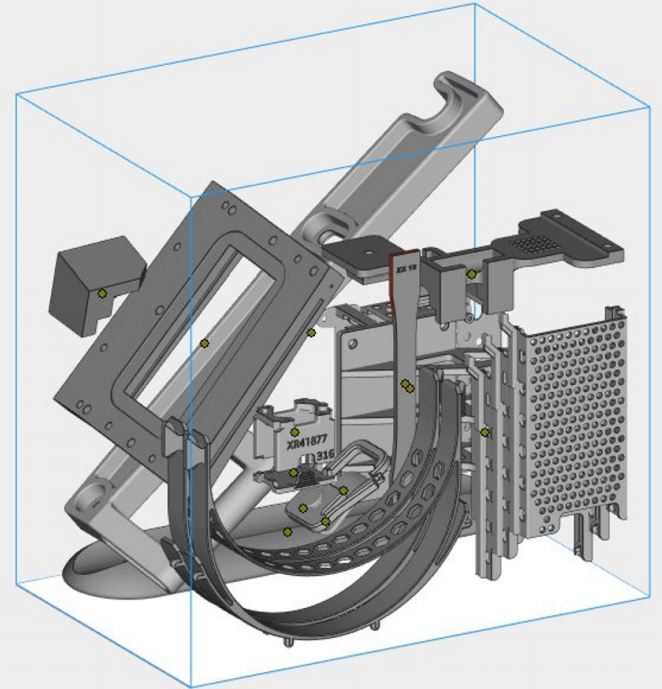
The SAF™ process allows nesting densities up to 23.5% – more than double the typical 6‑10% seen in other powder‑bed printers – translating into faster build times and higher part throughput.
Material and Sustainability
The H350 launches with Stratasys High Yield PA11, a bio‑based polymer sourced from renewable castor oil. PA11 has a long industrial pedigree in automotive, aerospace, and consumer goods, offering lower environmental impact, greater flexibility, and higher impact and fatigue resistance compared to PA12. Thanks to the H350’s advanced powder management and thermal control, PA11’s traditionally challenging processing is now seamless, with plans to expand the material portfolio shortly.
Control, Traceability, and Integration
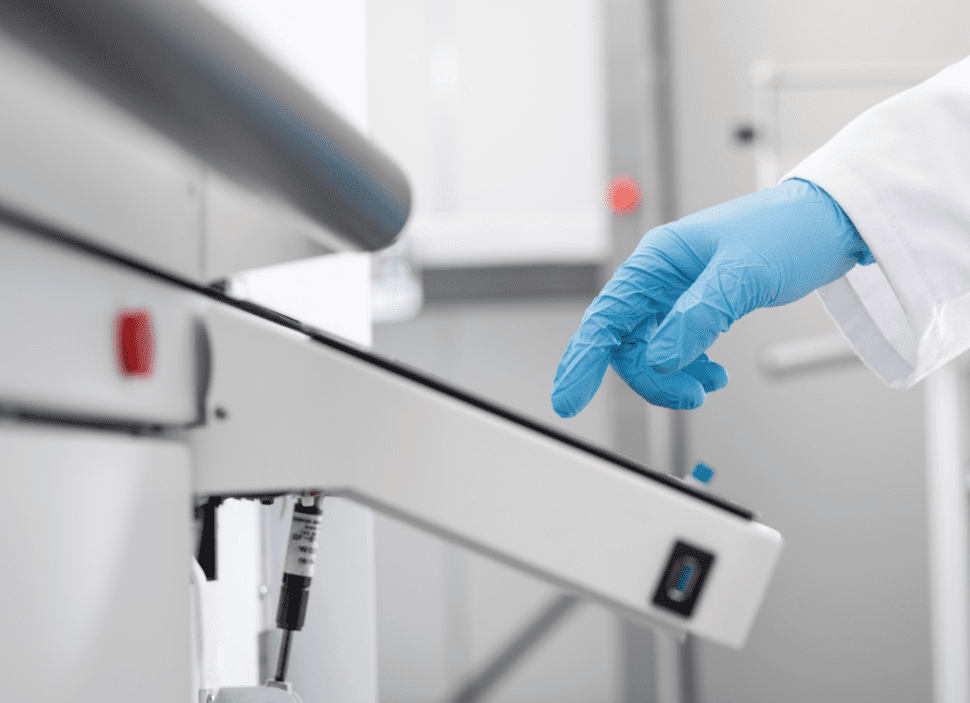
The H350 is engineered for production environments. It supports MT Connect for seamless integration with factory floor systems, logs every build for full traceability, and offers granular control over material handling and print settings. All data remains under the user’s full ownership.
Workflow
From CAD to finished part, the H350’s workflow is straightforward. Accepted file formats include Materialise Magics, Siemens NX, and PTC Creo, with GrabCAD Print support arriving in January 2022. After slicing, the printer builds the part using powder as both model and support. Upon completion, the build “cake” is lifted into a removable build box, transported, and allowed to cool for at least 24 hours. The powder retrieval station then separates the parts from excess powder, which is sifted and reused for future builds.
Post‑processing options—bead‑blasting, sanding, vapor smoothing, tumbling, or dyeing—enable users to achieve the desired surface finish and functional performance.
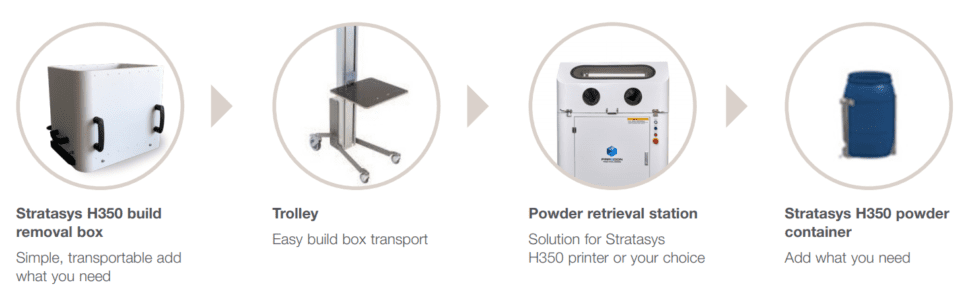
Applications
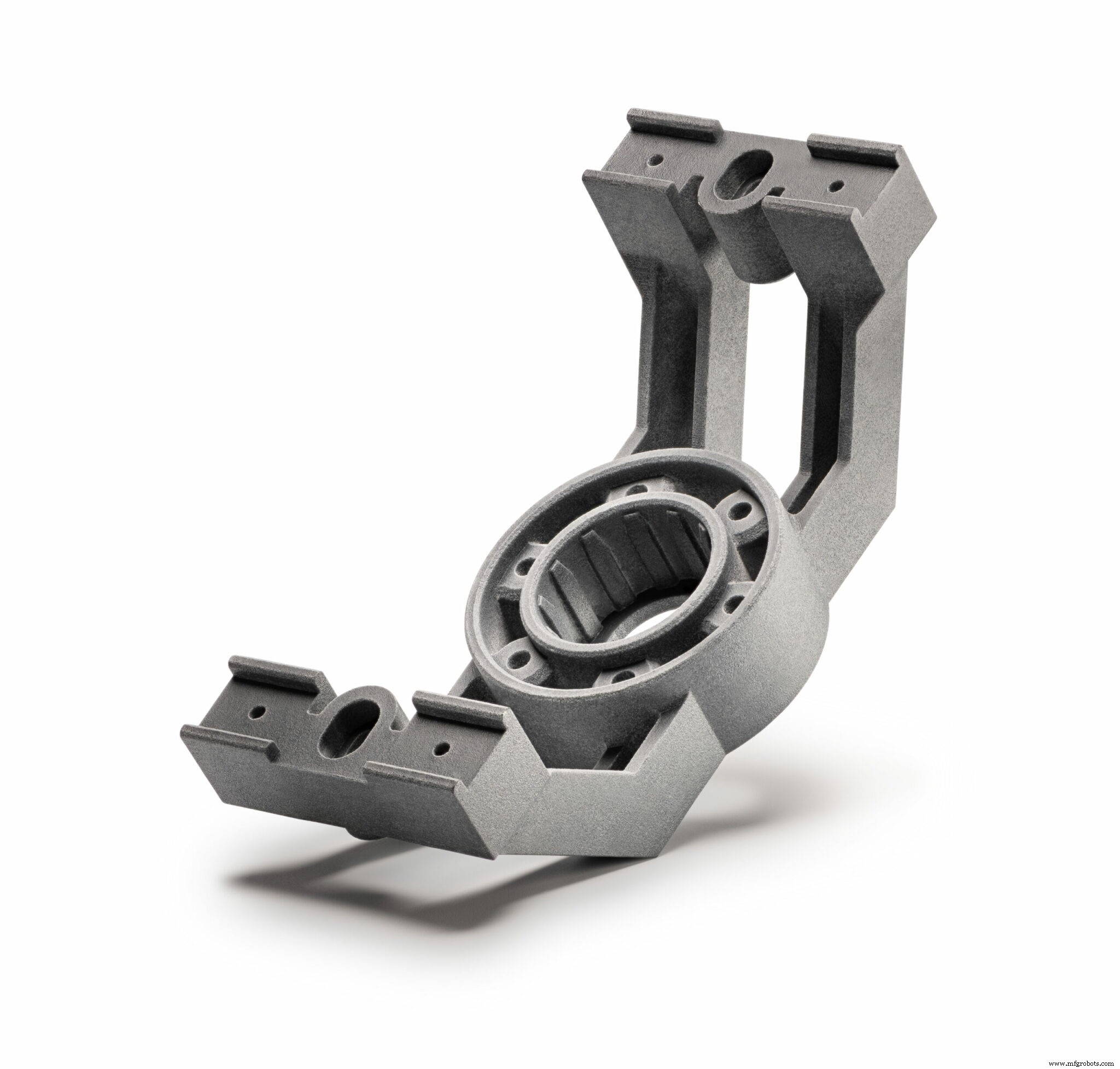
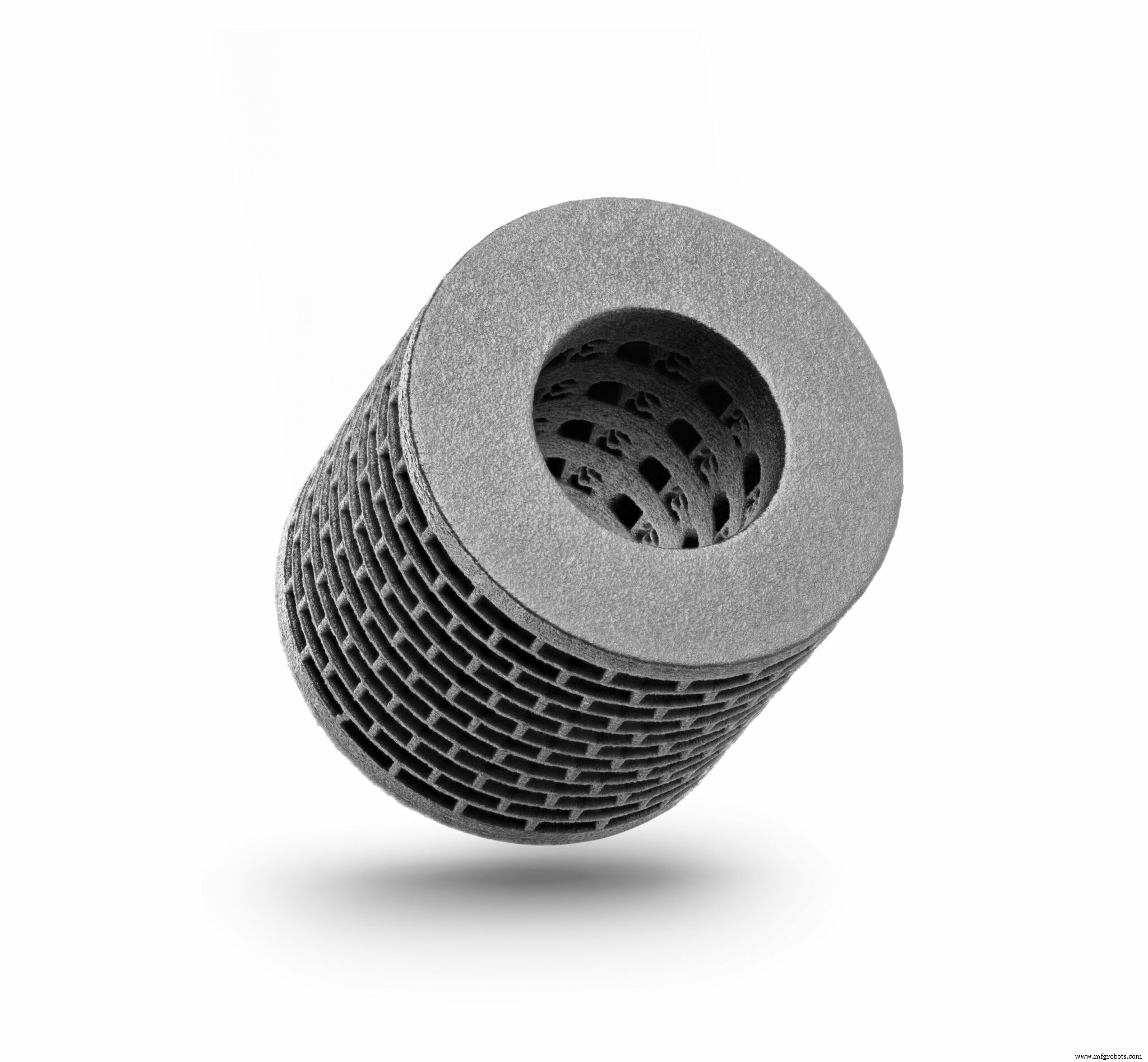
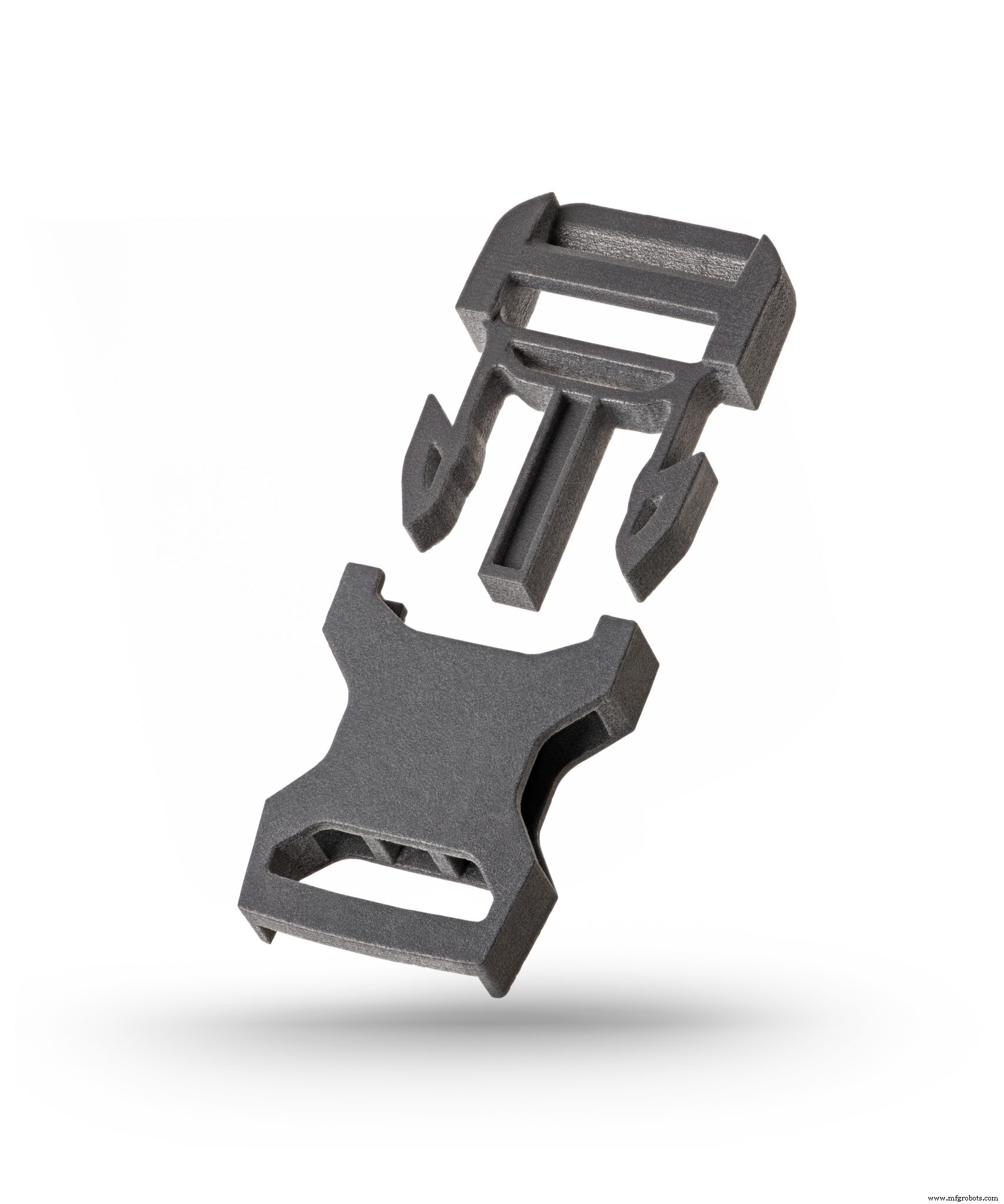
Optimized for automotive, commercial goods, consumer electronics, and service bureaus, the H350 delivers predictable economics and repeatable quality for end‑use parts such as covers, connectors, cable holders, hinges, housings, ducting, and more. It represents a strategic leap beyond CNC machining for high‑volume production.
Technical Specifications
| Printer Performance | |
| Effective build size (xyz) | 315 × 208 × 293 mm (12.40 × 8.18 × 11.53 in) |
| Effective build volume | 19.2 L (5.07 gal) |
| Layer thickness | 100 µm (0.004 in) |
| Time to a full build | 11.62 hrs |
| Power | |
| Requirements | 400 VAC, 3P + N, PE, 50‑60 Hz, 16 A |
| Consumption | 3.25 kW, 5 kW (peak), 0.15 kW (idle) |
| Operating Conditions | |
| Temperature | 20‑25 °C (68‑77 °F) |
| Humidity | 40‑55 % RH |
| Extraction rate | 300 m³/h (294 CFM) |
| Dimension (W × D × H) | |
| Printer | 1900 × 940 × 1730 mm (74.8 × 37.0 × 68.1 in) |
| Printer crate | 2156 × 1196 × 2100 mm (84.9 × 47.1 × 82.7 in) |
| Weight | |
| Printer | 825 kg (1819 lb) |
| Crated Printer | 950 kg (2094 lb) |
| Connectivity | |
| Network requirements | RJ45 Ethernet, 35 MBit, DHCP, Internet access |
| Software | |
| Supported workflow | Materialise Magics, Siemens NX, PTC Creo, GrabCAD Print Server |
| Certificates | |
| Safety | EN ISO 12100:2010 |
| Electromagnetic | Directive 2014/30/EU |
| Environmental | REACH, RoHS, WEEE, Modern Slavery Act, CoA, CoC, Conflict Minerals (2021), TSCA |
| Materials | |
| Powder | Stratasys High Yield PA11 |
| Fluid | Stratasys High Absorption Fluid (HAF™) |
| Warranty and Service | |
| Warranty | 1‑year limited, includes print heads and consumables |
| Service | Print heads and consumables covered under service plans |
See How Industrial‑Grade Powder‑Based Additive Manufacturing Can Help You
Watch the Webinar
3D printing
- Russian Astronauts Successfully Deploy First Fully 3D‑Printed Satellite from the ISS
- Stratasys F770 vs. BigRep Large‑Format 3D Printers: A Detailed Comparison
- Stratasys Origin One: Precision 3D Printing for Production-Grade Parts
- Stratasys F123 Series – 3D Printing Made Simple for Every Professional
- Step‑by‑Step Guide to Replacing Nozzle Tips on Your Stratasys 3D Printer
- Stratasys F770: Revolutionizing Large-Scale 3D Printing
- Stratasys Launches SAF™: Revolutionizing Powder Bed Fusion with High‑Speed Production
- Ultimate 3D Printer Maintenance Checklist: Keep Your Printer Running Smoothly
- Master Bed Leveling: How to Calibrate Your 3D Printer Base for Perfect Prints
- Must-Have Tools for 3D Printer Maintenance