



3D Printing Is Rewriting the Rules of Miniatures Gaming
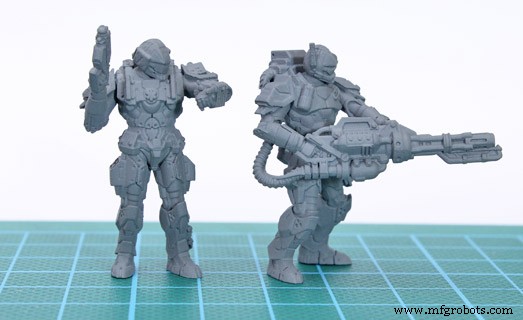
For decades, miniatures gaming has been a niche hobby for the most dedicated enthusiasts. They invest hundreds of dollars in disassembled pewter figures, spend countless hours painting them in “fuegan orange” or “leadbelcher,” and enjoy the ritual of building their own tabletop armies.
Games Workshop has long been the dominant force in this space, with its Warhammer line commanding a premium price. A beginner’s starter set costs $150, and collectors seeking hyper‑realistic orc figurines can expect to pay even more. The brand’s reputation for quality has made it a gatekeeper in the hobby.
That gatekeeping is being challenged by the rise of consumer 3D printers. Texas software developer Chuck Thier first discovered the potential when he came across a few printable models online. “I’m not an avid Warhammer player, but I’ve always loved the lore,” Thier explains. He began sculpting his own figures, using the prints to test his printer’s resolution. While the detail didn’t match the factory‑finished originals, the results were impressive for the modest investment.
Thier documented his process on Reddit, noting that each model required at least 40 hours of printing time—including failed prints. He also clarified that he does not consider his work “bootlegging.” “Those would be exact copies made with a scanner or sold for profit,” he says. “Most of the models I’ve printed, and the ones I’ve seen, are custom creations by hobbyists who love the game.”
Games Workshop’s response has been predictable: strict enforcement of its intellectual‑property rights. The company once sued an author for using the term “Space Marine,” and its terms of service forbid casting or scanning any material based on its IP. In many jurisdictions, personal‑use reproduction is not automatically exempt from copyright.
At present, 3D printing remains a niche hobbyist activity, and most players still purchase miniatures from a hobby store. However, as the technology becomes more accessible, the industry faces a new threat—one that could make piracy of miniatures as easy as downloading music.
Enter Arian Croft, owner of Ill Gotten Games. His flagship project, Pocket‑Tactics, offers downloadable zip files containing digital models that hobbyists can print at home. Croft, who has no formal design background, was drawn to the affordability and creative freedom that 3D printing provides. “Games Workshop will have to adapt,” he says. “There’s already a community producing Warhammer‑style miniatures. As 3D printing becomes mainstream, retailers will need to evolve.”
Croft predicts that major game companies will eventually adopt a business model similar to his: providing digital files for a reduced price, rather than only selling expensive physical kits. History shows that technological advances—whether the cotton gin or the iPod—have disrupted traditional manufacturing and reshaped markets.
Whether this shift is beneficial depends on one’s perspective. Lowering the financial barrier could welcome new players into the hobby, but it may also erode the tactile, artisanal experience that has defined miniatures for generations. Some, like Nick Poteracki, designer of the indie game Arena Rex, resist the 3D‑printing trend. “People who play once or twice a year spend the rest of their time painting,” Poteracki notes. “In fifty years, I doubt anyone will sculpt minis.”
He values the “inconsistencies” of handmade figures, each bearing the subtle marks of its creator’s hand. For him, the hobby is about unplugging and engaging in a tactile craft. “I hope the core experience of the game stays the same,” he says. “I love the hands‑on nature of painting.”
As 3D printing continues to evolve, the miniatures community will need to balance innovation with tradition. The coming years will reveal whether the hobby can maintain its core identity while embracing new manufacturing possibilities.
Republished with permission from Stratnel Technologies LLP
3D printing
- 5 Key Trends Driving the 3D Printing Materials Market in 2019
- 2019 3D Printing Materials Market: Trends, Growth, and Emerging Opportunities
- 2020 3D Printing Hardware Market: Trends, Key Players, and Evolution
- Debunking 3D Printing Myths: What the Technology Truly Can Do
- The ABCs of 3D Printing: How Additive Manufacturing is Shaping Modern Industry
- Unlocking Innovation: The Key Advantages of 3D Printing in Modern Manufacturing
- Revolutionizing Play: How 3D Printing Shapes the Toy and Gaming Industries
- How 3D Printing Will Transform Manufacturing in the Next Decade
- How 3D Printing is Revolutionizing Modern Manufacturing
- 4D Printing: Revolutionizing Additive Manufacturing for Adaptive Solutions