



Transform Your Milling Workflow with 3D‑Printed Vise Jaws
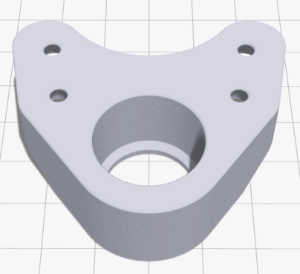
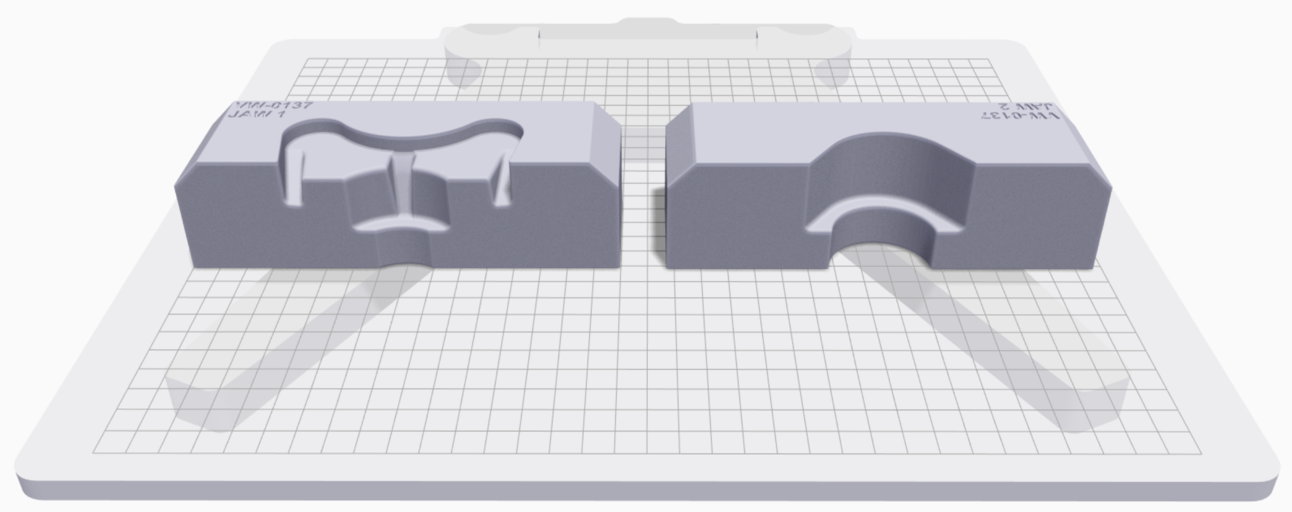
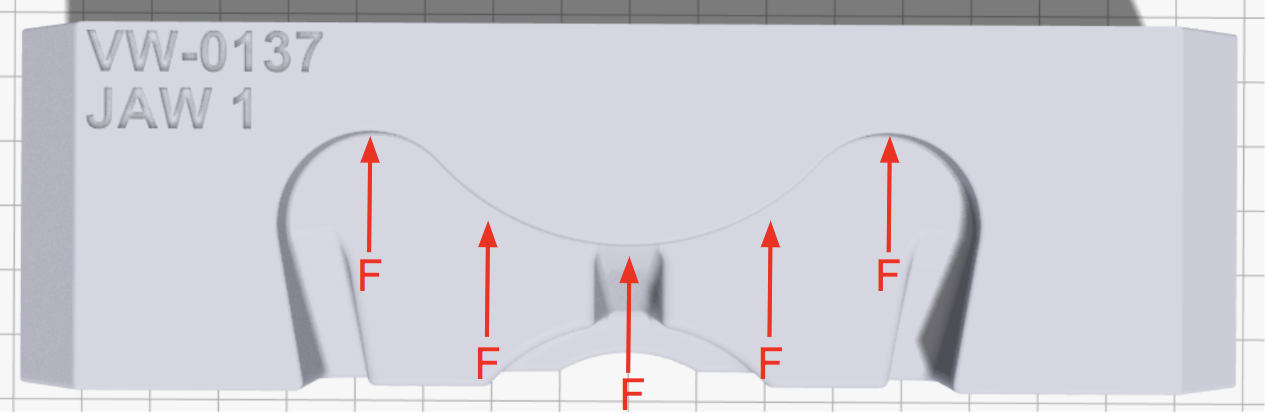
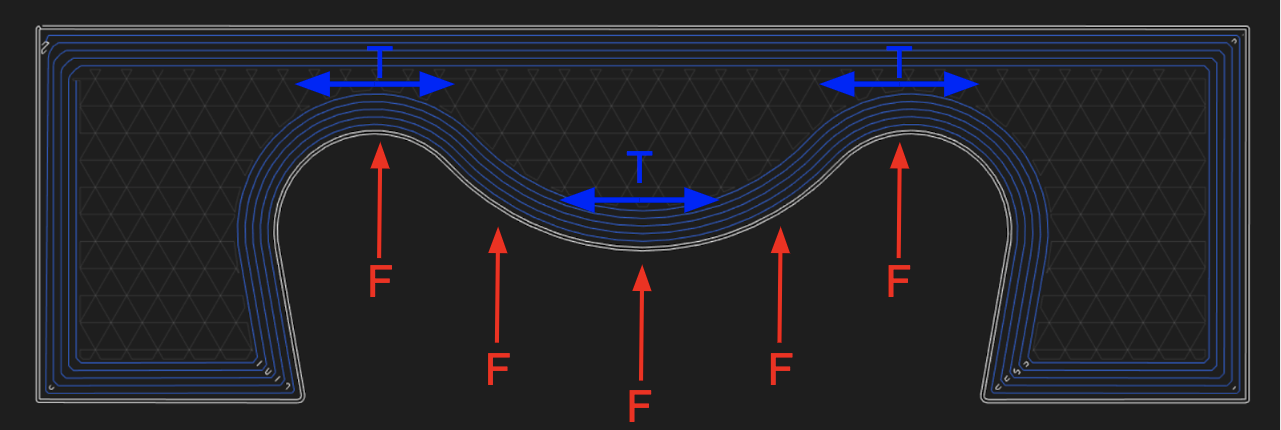
Modern machining faces a clear bottleneck: it demands significant time and money—from skilled operators to costly equipment, and from extensive set‑ups to delivery delays. The challenge intensifies when fabricating custom tooling—fixtures, jigs, molds, and patterns. Tooling traditionally represents the most time‑consuming and expensive segment of machining. It consumes both time and capital. Acquiring a set of custom milling jaws typically follows this sequence: 1. Draft the jaws in CAD software. 2. Obtain design approval. 3. Program the CNC machine. 4. Schedule the machining run. 5. Mill the jaws on the CNC. 6. Await completion. 7. Deliver the finished jaws. By the time the jaws arrive, five distinct professionals have touched the part: a design engineer, a manager, a programmer, a machinist, and a quality inspector. When the part the jaws were built for evolves—from Revision 1 to Revision 3—each change triggers a new jaw design cycle, starting again at step 1. At low production volumes, manufacturers either decline to produce or impose premium pricing. Tooling rarely yields revenue; its creation costs machine downtime, labor, and overhead. If a jaw set is never reused, its upfront cost must be spread across the final production run, inflating the price of the end‑use parts. 3D printing—commonly called additive manufacturing—offers designers unprecedented freedom and turns tooling from a labor‑intensive process into a quick, cost‑effective one. For one‑off tools, additive manufacturing can reduce total cost to just material expenses, as shown in Figure 1. By printing jaws immediately after design, additive manufacturing eliminates the long chain of drafting, programming, scheduling, and inspection. The faster the tooling is ready, the sooner revenue‑generating parts can be machined. Designing milling jaws for 3D printing hinges on three core elements: an understanding of milling jaw geometry, proficiency in CAD, and expertise in Continuous Fiber Fabrication (CFF). Earlier additive technologies could only print thermoplastics too weak for CNC environments. Markforged’s CFF technology changes that by reinforcing parts with continuous fibers—carbon, Kevlar®, or fiberglass—yielding strength levels illustrated in Figure 2. Consider the needle‑bearing workpiece in Figure 3, which requires face milling. The corresponding milling jaws are shown in Figure 4. Because continuous fibers are strongest in tension, orientation during printing is critical. For jaws that clamp a workpiece, the clamping forces act as compressive loads along the contact points (see Figure 5). Routing fibers concentrically around the outer walls places them in tension, countering these compressive forces (Figure 6). Embedding the jaws in a vise not only sandwiches the part but also leverages the shear resistance of printed layers. Maximizing surface contact with the vice further enhances dimensional stability. Next, consider a modular approach: print only the soft jaw inserts while using machined metal blanks. As shown in Figure 7, a single metal blank can accommodate multiple insert geometries, drastically reducing redesign effort. When steel jaws are required, the same modular concept applies. A machined aluminum or CFF blank can pair with a 3D‑printed insert fabricated on Markforged’s Metal X system using Atomic Diffusion Additive Manufacturing (ADAM). With 17‑4PH stainless steel and H13 tool steel now available, Metal X delivers the needed strength while preserving the benefits of rapid, conformal fabrication. By moving from bulky tooling inventories to an interchangeable, on‑demand system, modular milling jaws represent the future of manufacturing. Additive manufacturing further accelerates this shift, making tooling faster, easier, and more affordable. Printing milling vise jaws is straightforward once you grasp the fundamentals: (1) Identify the clamping forces between the workpiece and the vise. (2) Select a print orientation that places fibers in tension against those forces. (3) Reinforce with continuous fibers aligned to counteract compression. Ready to explore how 3D‑printed parts can elevate your operations? Speak with one of our product specialists.Request a Complimentary Sample
\nTime‑Consuming
\nCostly
\nAdditive Manufacturing
\n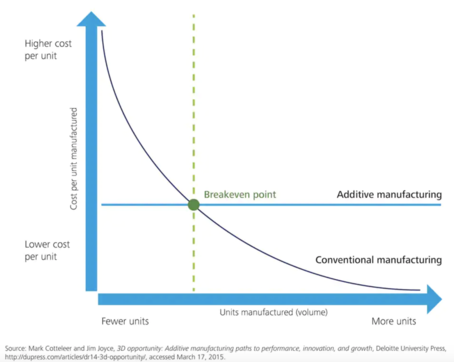
Explore our Composites Design Guide
\nHow to 3D Print Milling Jaws
\nContinuous Fiber Fabrication (CFF)
\n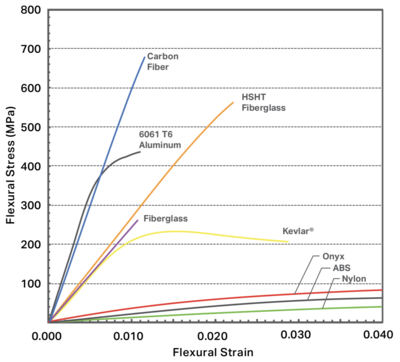
Advanced Milling Jaws for 3D Printing
\n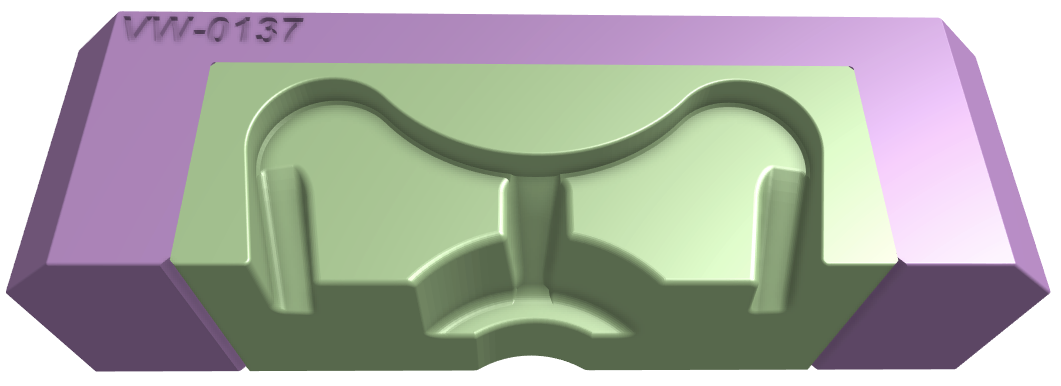
How to best 3D print milling vise jaws
\nContact us
\n
3D printing
- Mastering Polyjet 3D Printing: Precision, Detail, and Versatile Applications
- Bioprinting Explained: How 3D Printing Creates Living Tissues & Future Organs
- 4D Printing Explained: The Future of Adaptive, Time‑Responsive Manufacturing
- Debunking 3D Printing Myths: Three Common Misconceptions Explained
- Soft Jaws: Precision Workholding for CNC Machining
- Case Study: 3D‑Printed Soft Jaws Accelerate Prototype Production at Superstition Machine Works
- Discover How Easy 3D Printing Is: A Beginner’s Guide
- Demystifying 3D Printing: A Clear Guide for Innovators
- Revolutionizing Jewelry Design: The Power of 3D Printing
- Revolutionizing Fashion: How 3D Printing Transforms Design & Production